NORAD F-16 Fighters Escort Five Planes From Restricted Houston Airspace
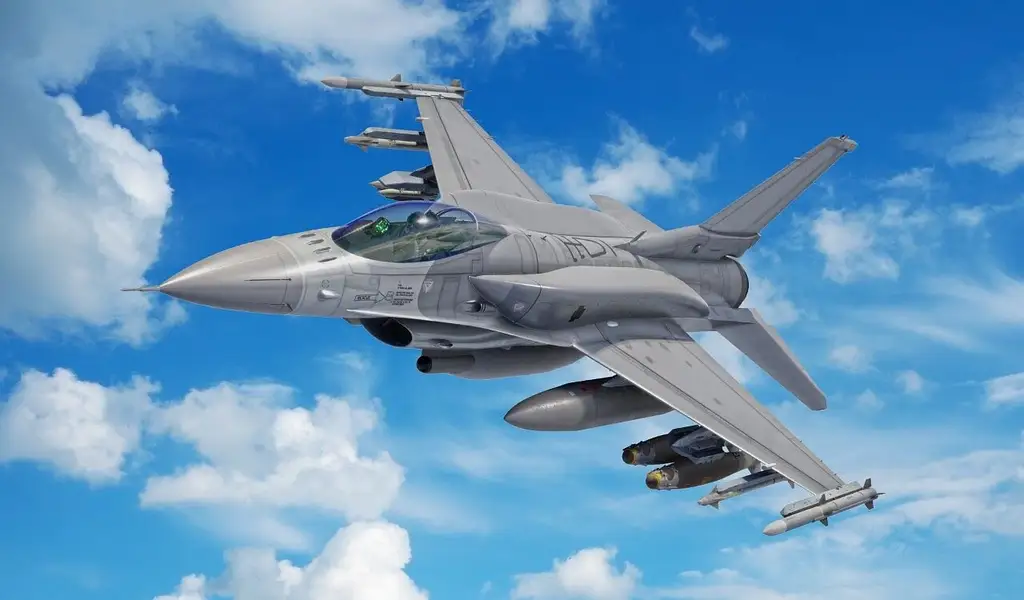
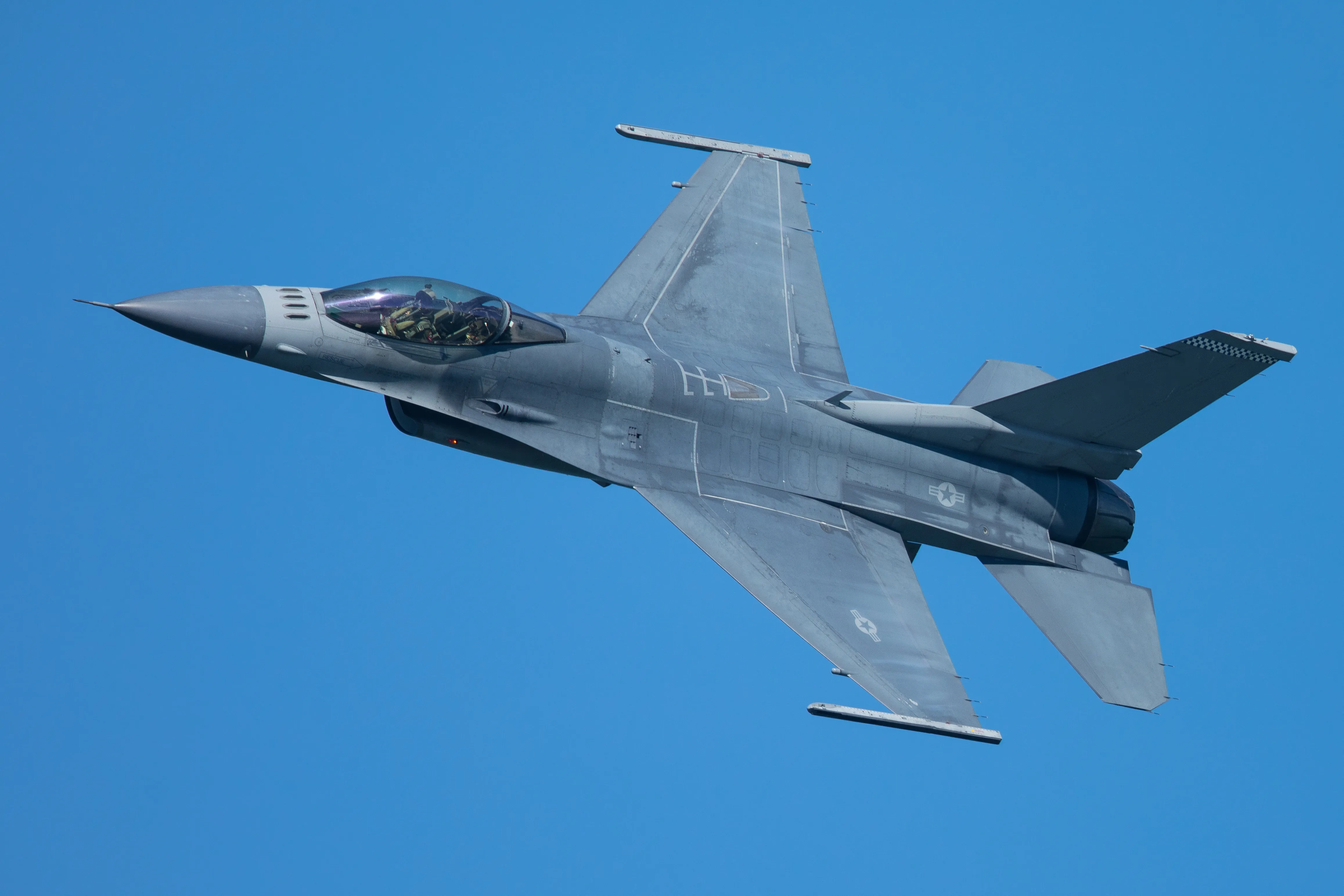
Five general-aviation aircraft entered temporarily restricted airspace over Houston on Friday, August 28, prompting NORAD to deploy F-16 fighters. The fighters intercepted the planes and safely escorted them out of the area, according to the command’s official account of the response.

The Federal Aviation Administration restrictions were active while President Donald Trump was visiting Houston. The five incursions show the immediate operational consequence of entering protected presidential airspace: A general-aviation flight can trigger a military identification, interception and escort response even when the underlying reason for the violation remains unknown.
Five interceptions, but few aircraft details
NORAD did not identify the aircraft models, their operators, their flight paths or why they entered the restricted area. It also did not say whether the five violations were connected. Any conclusion about pilot intent, navigation errors or preflight preparation would therefore be speculation.
What is confirmed is narrower but consequential. F-16s were deployed, all five aircraft were intercepted, and each was escorted out of the restricted area. No additional outcome was reported.
That distinction matters because temporary flight restrictions are an airspace-control measure, not evidence by themselves of hostile intent. The fighter response provides a means to identify and remove an aircraft from protected airspace. In this case, NORAD disclosed the completed escort operation without attributing a cause or motive to the general-aviation pilots.
The event also illustrates the readiness burden behind presidential airspace security. An active restriction must be monitored, an incursion assessed and suitable aircraft dispatched when a response is required. Fighters bring the speed and controlled interception capability needed for that mission, but each deployment also consumes aircraft availability, crew time and support resources. NORAD did not disclose those operational details for the Houston response.
Current flight notices are the practical safeguard
NORAD characterized the Houston event as part of “multiple recent TFR violations” and urged aviators to help reduce the number. Other recent violations cited in connection with presidential travel occurred near Bedminster, New Jersey, and over Virginia while Trump was at Naval Station Norfolk.
For general-aviation pilots, the practical issue begins before departure. NORAD reminded aviators to check and understand current FAA Notices to Air Missions, commonly called NOTAMs, before every flight and to comply with temporary-flight-restriction procedures. These notices matter because they provide current operating information that may not be reflected in a pilot’s ordinary expectations for familiar airspace.
“Safeguarding our shared airspace is a mission where every single aviator has a vital role to play,” said Royal Canadian Air Force Major-General David Moar, NORAD’s director of operations. He described thorough planning and review of active notices as essential to keeping the airspace safe.
The wording points to the central constraint in temporary-restriction enforcement: Military readiness can remove an aircraft after it enters protected airspace, but it cannot replace accurate preflight planning. Prevention depends on pilots reviewing the notices currently in force rather than relying solely on a routine route, previous experience or older planning information.
Trump’s Houston visit included a ceremony honoring the four Artemis II crew members following their April flight around the Moon. He also signed an executive order creating a commission to develop guidelines for a proposed NASA-led United States Space Academy. Those activities explain the presidential visit, but they are separate from the airspace response.
NORAD’s confirmed result remains the operationally important fact: Five general-aviation incursions over one city led to F-16 interceptions and five safe escorts from restricted airspace. The command’s effort now is to drive down future violations before another routine flight creates the same demand for a fighter response.
| More aerospace and engineering stories, right in your MSN feed. Follow AMI on MSN |
By David Whitaker — Associate editor for AMI’s aerospace and drone systems desk, translating flight systems, aircraft programs, spaceflight, and UAV developments into accessible technical stories.