Lufthansa Boeing 747-8 Tail Comes Within Inches Before Safe Second LAX Landing
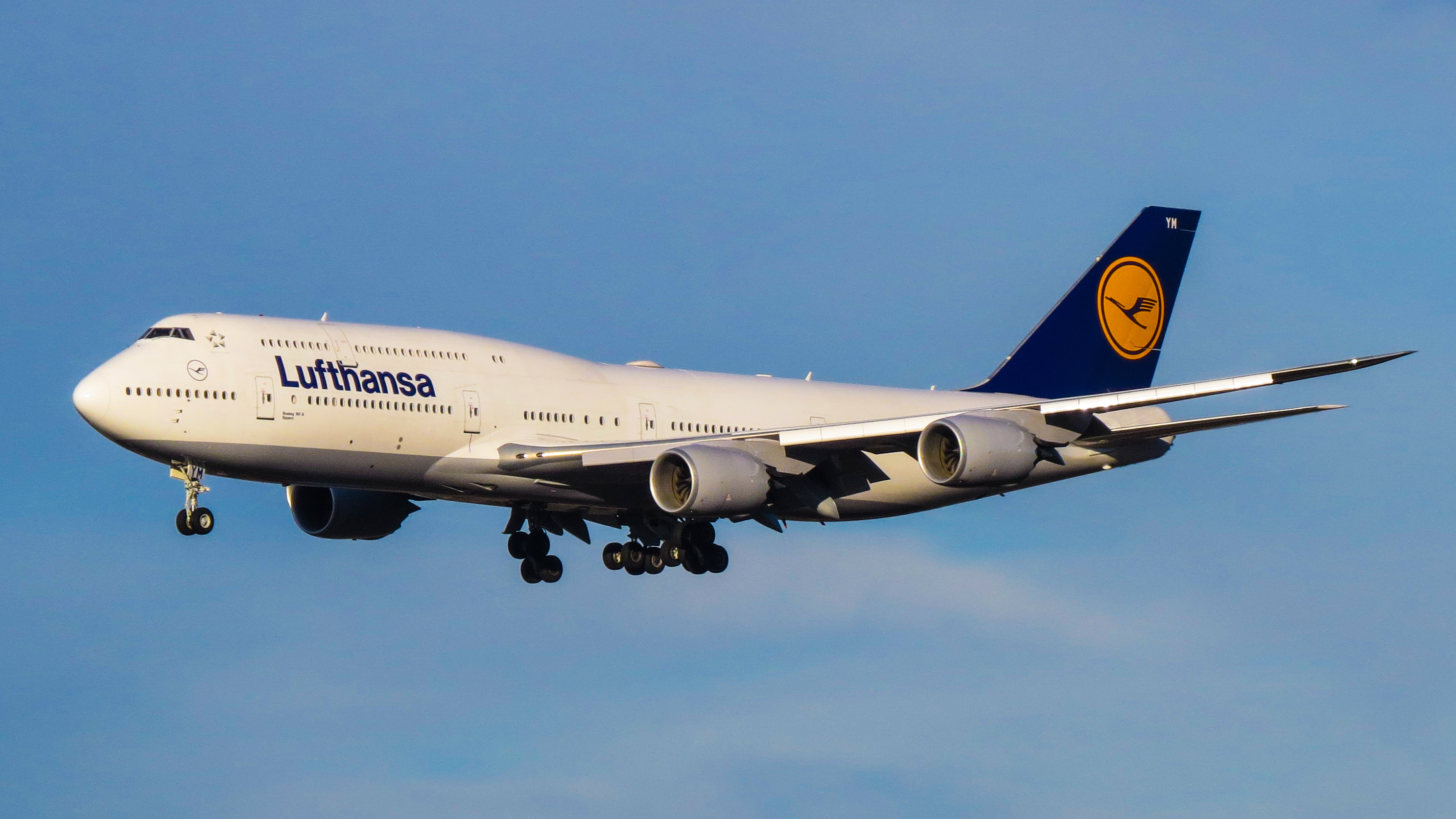
A Lufthansa Boeing 747-8 came within inches of scraping its tail on a Los Angeles International Airport runway during an aborted landing on October 10, then circled back and landed safely on its second attempt. No tail contact or aircraft damage was reported.

Flight LH456, Lufthansa’s daily service from Frankfurt to Los Angeles, initially touched down on runway 24R at 1:18 p.m. local time. The jet then pitched sharply upward as the crew initiated a go-around, bringing the underside of its long rear fuselage unusually close to the pavement.
The aircraft returned 15 minutes later and landed at 1:33 p.m. Lufthansa said the second approach ended with a normal and safe landing, describing the go-around as a standard, well-rehearsed procedure. The statement does not identify why the first landing was discontinued, and no official cause has been established.
Why the tail clearance narrowed
A go-around is the established escape option when a landing is not developing as intended. It allows the crew to abandon that attempt, climb away and set up another approach rather than trying to salvage the remaining runway. But initiating the maneuver close to the ground or after the wheels have already touched creates a demanding transition.
At that point, the aircraft is at relatively low energy and configured for landing. As thrust is applied and the nose rises, the tail moves closer to the runway. That geometry is particularly visible on a long aircraft such as the 747-8: a sharp pitch increase can consume the remaining clearance quickly even when the main landing gear is still on or just above the pavement.
The aircraft also appeared to float before the initial touchdown, carrying farther along the runway before settling. Runway 24R is 8,926 feet, or 2,721 meters, long the shortest of LAX’s four runways. Those details help explain why discontinuing a late landing attempt can look uncomfortable, but they do not establish crew error or the cause of the event.
Nor can it be stated that the go-around definitively prevented an accident. What is confirmed is narrower but still important: the crew stopped the first landing attempt, the tail did not strike the runway, and the jet completed a safe second landing. The maneuver recovered the flight without reported damage, even though the pitch change sharply reduced tail clearance.
A previous LAX landing does not establish a pattern
The close call may recall a separate Lufthansa 747-8 event at LAX in April 2024. That aircraft, registration D-ABYP, bounced during a hard landing on a training flight and then went around. Lufthansa said a cockpit-crew assessment was required before that jet returned to Frankfurt.
The October 2026 event involved a different aircraft, D-ABYK, and there is no established common cause between the two landings. The earlier occurrence therefore cannot be used to show that the latest go-around resulted from the same handling issue, airport condition or aircraft behavior. No official cause has been identified for either event.
D-ABYK first flew in July 2013 and was delivered to Lufthansa the following month. Its cabin was configured for 364 passengers: 244 in economy, 32 in premium economy, 80 in business and eight in first class.
Its continued operation provides a practical indication of the outcome. The aircraft later departed Los Angeles as return flight LH457 at 4 p.m., 55 minutes behind its scheduled 3:05 p.m. departure. It reached Frankfurt at 10:50 a.m. on October 11, ten minutes ahead of schedule.
The most consequential figure from the arrival remains the few inches reportedly left beneath the tail. The second landing and subsequent transatlantic flight show that the aborted first attempt ended without reported aircraft damage but also how little geometric margin a long jet can have when a go-around begins at the runway.
| More aerospace and engineering stories, right in your MSN feed. Follow AMI on MSN |
By David Whitaker — Associate editor for AMI’s aerospace and drone systems desk, translating flight systems, aircraft programs, spaceflight, and UAV developments into accessible technical stories.