Zaporizhzhia Loses Grid Power for Over a Week, Has 10 Days’ Diesel
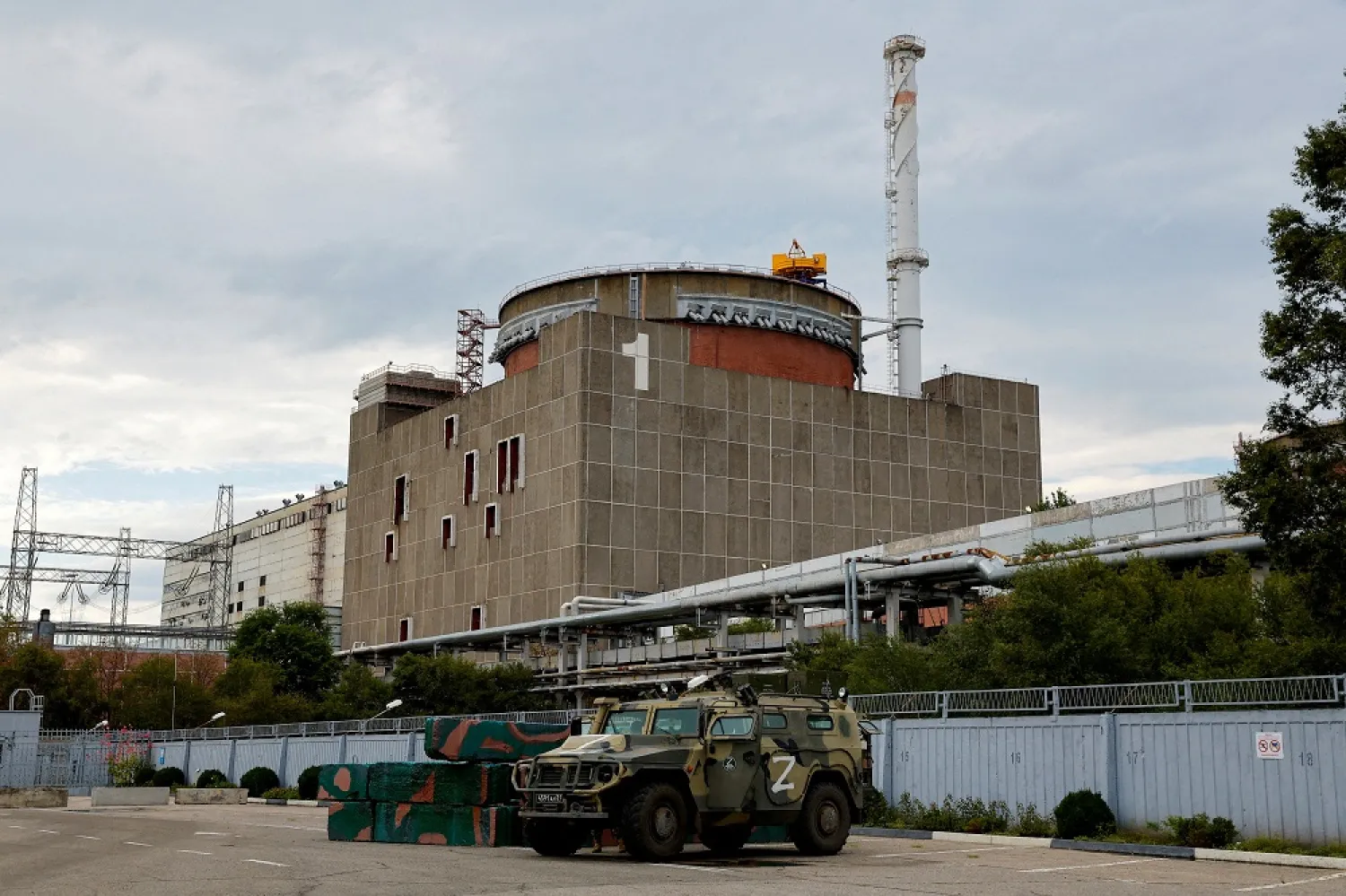
Six shut-down reactors at the Zaporizhzhia Nuclear Power Plant still need continuous electricity for cooling, but Europe’s largest nuclear facility has been disconnected from the grid for more than a week. Emergency generators are carrying that load, and the International Atomic Energy Agency said the site had approximately 10 days of diesel fuel available.
That figure describes the plant’s reported fuel endurance under emergency generation, not a prediction that cooling will fail on a particular date. Deliveries can extend the operating window, while generator demand and operating arrangements affect fuel consumption. Supplies arrived from another location on Thursday and Friday, according to the IAEA, after the plant had received no diesel from an off-site storage facility for roughly six months.
Why shut-down reactors still need power
Zaporizhzhia has not produced electricity since September 2022, and all six reactors are shut down. Shutdown, however, does not eliminate the need to remove heat from nuclear fuel. Pumps, controls and other essential safety equipment require electricity to keep cooling systems operating and prevent the fuel from overheating.
Under normal conditions, that electricity comes from the external grid. When off-site power is unavailable, emergency diesel generators provide an independent source for critical systems. The generators are designed for precisely this type of interruption, but they exchange a broad electrical network for a finite on-site resource: fuel.
That makes diesel inventory, delivery access and generator availability parts of the same safety chain. A generator can be mechanically ready yet remain useful only as long as fuel and the supporting workforce are available. IAEA Director General Rafael Grossi called diesel availability “of paramount importance whenever a nuclear power plant loses off-site power.”
External electricity provides the safer configuration
Emergency generation is a bridge, not an equivalent long-term replacement for a stable grid connection. Restoring external power would reduce dependence on recurring fuel deliveries and allow the diesel equipment to return to its intended standby role. It would also restore another layer of electrical resilience rather than leaving essential cooling tied to equipment that must run continuously during an extended outage.
The plant once had multiple external connections. Repeated line losses have progressively weakened that redundancy, and the latest disconnection was reportedly the 27th complete loss of off-site power since Russia’s full-scale invasion began. Each transfer to emergency generation requires the backup system to start, accept the necessary load and continue operating until grid power returns.
The present fuel estimate also illustrates why replenishment alone does not resolve the underlying engineering problem. Delivering more diesel can extend the emergency operating period, but it does not repair the damaged electrical path or remove the logistical exposure associated with moving fuel near an active front line. The more durable safety improvement is a functioning off-site connection with sufficient redundancy.
Repair access is now a system constraint
The IAEA is seeking a temporary localized ceasefire so engineers can reach damaged electrical lines and reconnect the facility to the grid. That arrangement remains proposed, not implemented. Repair work depends not only on replacement hardware and qualified technicians but also on safe physical access to the affected infrastructure.
Russia has controlled the plant since March 2022, and the IAEA has maintained monitors there since September 2022. The agency reported three drone-related incidents at the facility during the week that injured two employees, but it did not identify who was responsible. Those incidents matter here chiefly because personnel access and working conditions are inseparable from restoring and maintaining the electrical supply; competing accusations about responsibility remain unestablished.
Zaporizhzhia’s immediate safety margin therefore rests on three connected elements: continuing cooling demand, dependable emergency generation and the ability to replenish fuel. The decisive improvement would be safe access for engineers to restore off-site power before diesel endurance becomes the plant’s controlling limit.
| More aerospace and engineering stories, right in your MSN feed. Follow AMI on MSN |
By Thomas Caldwell — AMI’s senior editor for mechanical and mobility engineering, covering vehicle electronics, systems integration, electrification, chassis systems, propulsion, and safety policy.