Federal Regulators Investigate GM V8 Failures After Recall Repairs in 997,743 Vehicles
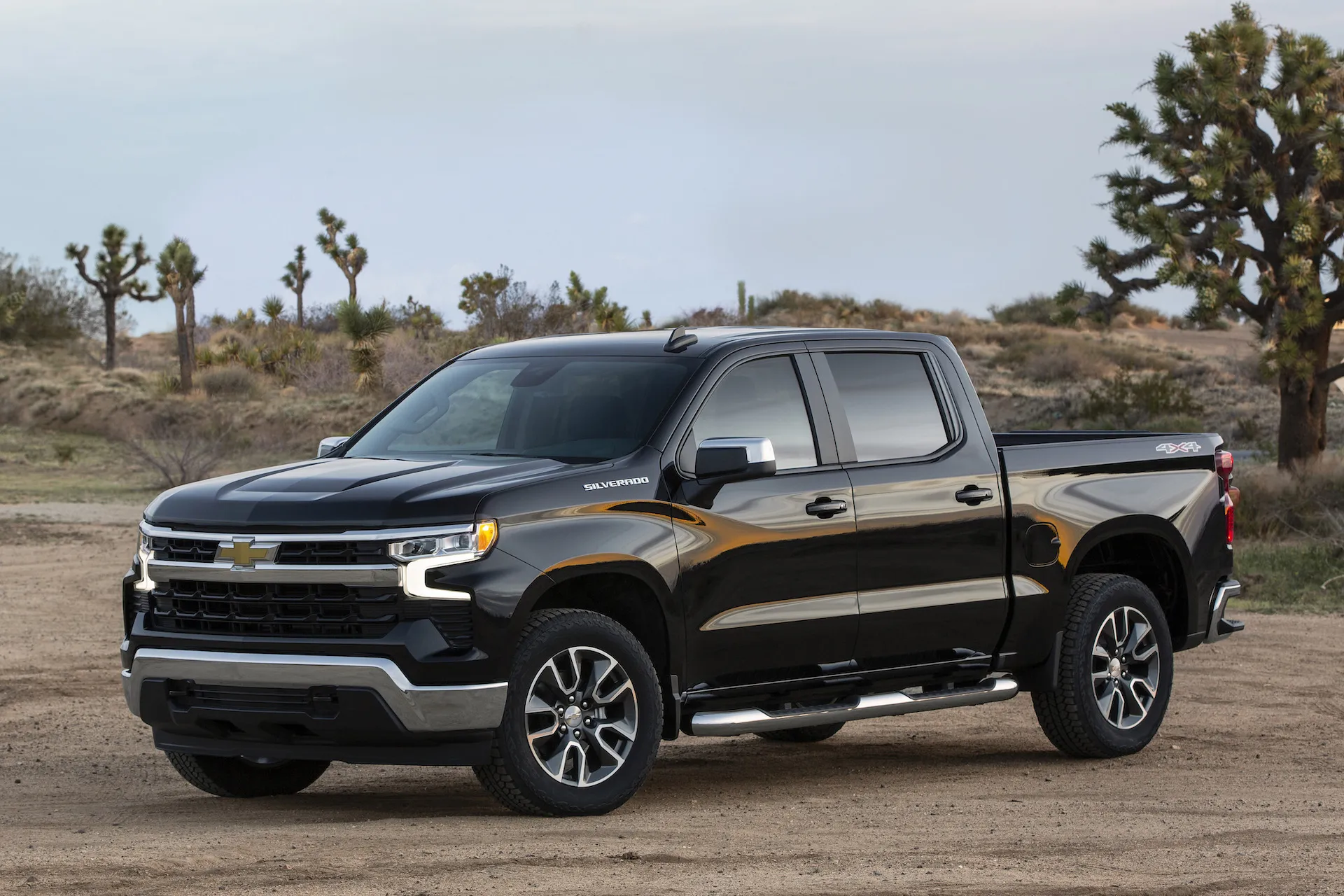
Federal regulators are examining reported failures of General Motors’ 6.2-liter V8 after some engines had already received recall repairs. The National Highway Traffic Safety Administration opened Engineering Analysis EA26005 on August 20, 2026, covering 997,743 Chevrolet, GMC and Cadillac trucks and SUVs from model years 2021 through 2026.
The central question is whether GM’s original remedy adequately controls the risk of engine failure and sudden loss of power. According to details of the expanded federal review, NHTSA received 499 complaints alleging failures after recall work: 473 involving engines that received a higher-viscosity oil treatment and 26 involving replacement engines. No expanded recall has been ordered, and the existing recall remains unchanged.
What GM’s original repair was designed to address
GM recalled 597,630 U.S. vehicles in April 2025 under Recall 25V-274. That campaign covered L87 engines manufactured from March 1, 2021, through May 31, 2024. The identified manufacturing concerns included machining sediment in connecting rods and crankshaft oil galleries, as well as crankshaft dimensions and surface finishes outside specifications.
Dealers used diagnostic trouble code P0016 as the screening point. That code indicates crankshaft or camshaft misalignment. An engine that failed the diagnostic check was replaced. An engine that passed remained in service but received 0W-40 oil in place of the original 0W-20 specification, along with a new oil filter, a replacement filler cap marked for the revised oil and an updated owner’s manual insert.
GM also established special coverage lasting 10 years or 150,000 miles from the vehicle’s original in-service date for engines that passed inspection. That coverage limits an owner’s financial exposure if a covered engine later fails, but it is separate from the engineering question now before regulators: whether the screening and oil change sufficiently reduce the underlying safety risk.
Why post-repair failures matter
The remedy divided engines into two groups based on a diagnostic result. One group received replacement hardware; the other retained its existing engine with a revised lubricant specification. Reports of failures in both groups do not by themselves establish that the recall procedure was defective or that every reported failure shares the original manufacturing cause. They do, however, require regulators to test whether the diagnostic screen reliably identifies at-risk engines and whether the thicker oil provides adequate protection for those allowed to remain in service.
Oil viscosity can affect the lubricant film separating loaded engine surfaces, particularly bearings and crankshaft journals. Moving from 0W-20 to 0W-40 changes the oil’s operating-temperature viscosity, but it does not remove machining debris or correct a crankshaft that was manufactured outside dimensional or surface-finish requirements. NHTSA’s analysis must therefore distinguish between failures associated with the previously identified conditions and failures caused by unrelated mechanisms.
The population boundary is also under review. NHTSA received 191 reports concerning L87 engines produced after the manufacturing window covered by the 2025 recall. Those reports are why the analysis reaches 2025 and 2026 model-year vehicles, but they do not yet prove that later engines contain the same defects.
Which GM vehicles are under review
The engineering analysis covers L87-equipped Chevrolet Silverado 1500, Tahoe and Suburban models; GMC Sierra 1500, Yukon and Yukon XL models; and Cadillac Escalade and Escalade ESV models. Reported symptoms include severe knocking, complete engine shutdown and sudden loss of motive power while driving.
The investigation file records at least one crash and one injury associated with sudden power loss. That establishes the potential safety consequence regulators are assessing, not a confirmed cause or a broader accident trend. The available information does not determine whether the recall remedy, the original manufacturing conditions or another mechanism produced those particular events.
GM recorded 6,953 customer complaints of post-remedy engine failure, while NHTSA received the 499 post-remedy complaints cited in the federal analysis. Those figures come from different reporting channels and should not be treated as interchangeable measures of unique vehicles or defect prevalence. GM says it is cooperating with NHTSA and that customer safety and satisfaction remain its priorities.
The next decisive evidence will be whether failed engines from the oil-treated, replacement and later-production groups show a common physical failure signature. Until that analysis separates shared defects from unrelated engine failures, the adequacy of the current repair and the proper boundary of the affected fleet remains unresolved.
| More aerospace and engineering stories, right in your MSN feed. Follow AMI on MSN |
By Thomas Caldwell — AMI’s senior editor for mechanical and mobility engineering, covering vehicle electronics, systems integration, electrification, chassis systems, propulsion, and safety policy.