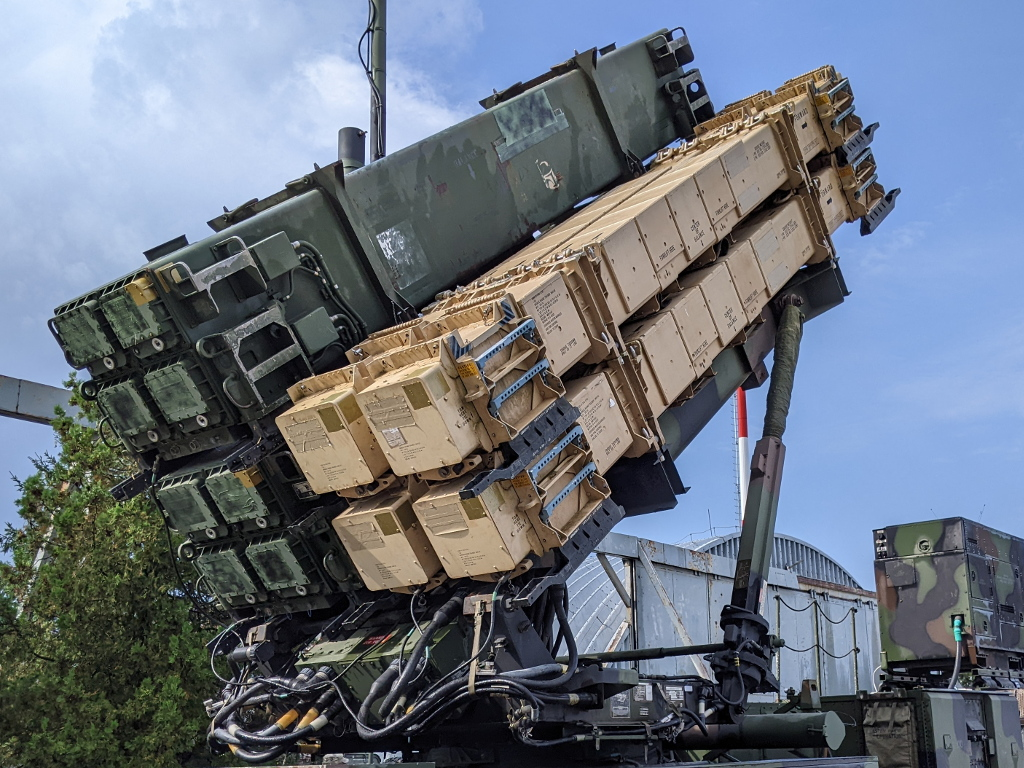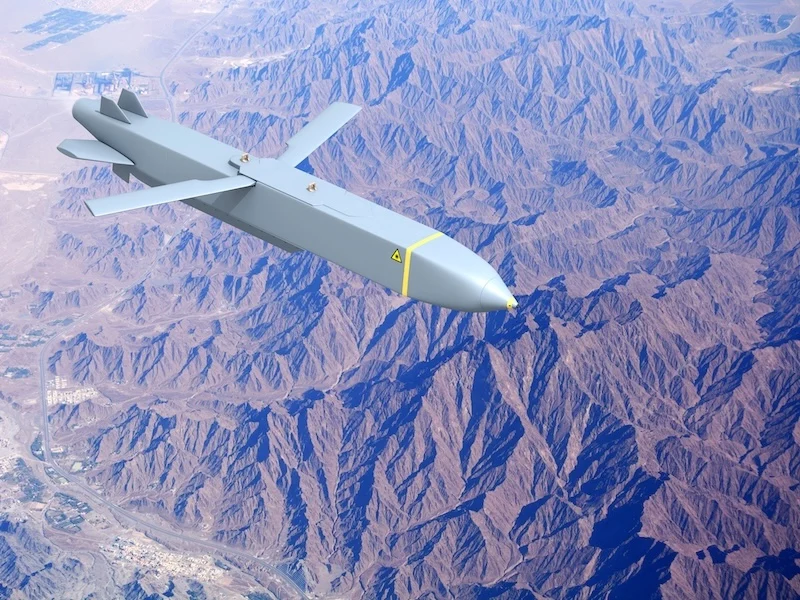
Britain Clears Storm Shadow Missile Data for Ukraine Assembly, but Foreign Parts Remain
Ukraine may soon assemble Storm Shadow-family missiles at home without being able to manufacture the complete weapon independently. Britain has authorized manufacturer MBDA to release classified information about British components so France and Ukraine can advance local assembly of the French-designated SCALP missile. The clearance removes a critical data-sharing barrier, but Ukraine will still depend on foreign-supplied subsystems.
The agreement was announced in Kyiv on August 24 under the UK-Ukraine 100 Year Partnership. Storm Shadow is the British designation and SCALP EG the French designation for the same MBDA-built, air-launched cruise-missile family, which incorporates technology from both countries.
Technical data can be as important as hardware
In a multinational weapons program, physical possession of parts does not automatically confer permission to inspect, document or reproduce their protected interfaces. A production partner may need controlled drawings, interface definitions, test requirements and handling information before it can legally and reliably integrate another country’s components into a finished assembly.
That appears to be the practical significance of the British decision. France and Ukraine could not move ahead with the planned assembly arrangement while MBDA remained unable to disclose the required information about UK-origin content. Britain has now cleared that particular gate.
The distinction matters well beyond this missile. Modern aerospace and defense products frequently cross national and corporate boundaries, leaving integration work governed by intellectual-property rules, security classifications and export controls as well as engineering requirements. For U.S. programs involving allied production, the episode is another example of how authorization to transfer technical data can determine whether overseas assembly is viable even when the hardware supply chain already exists.
Assembly is not sovereign missile production
Local assembly could move part of the workload into Ukraine, shorten the delivery chain and build domestic experience with integration and acceptance work. It could also reduce the need to transport complete missiles over the full distance from an established production line. Britain and France reportedly restarted Storm Shadow production lines in July, so Ukrainian assembly could become an additional downstream element of a revived European supply chain.
It would not, however, mean that Ukraine could make every propulsion, guidance, structural and other subsystem from raw materials. The announced clearance specifically concerns protected information about British components. No complete transfer of all manufacturing rights, processes or supplier capabilities has been confirmed.
This leaves a significant industrial tradeoff. Local labor and facilities can improve proximity and distribute final production work, while dependence shifts toward the timely delivery of qualified foreign components. If one imported subsystem is unavailable, completing the missile remains constrained regardless of how much assembly capacity exists in-country. Production volume, implementation timing, the division of work and the exact information covered by the authorization have not been publicly detailed.
Missile supply is only one part of readiness
Ukraine currently launches Storm Shadow and SCALP missiles from modified Soviet-era Su-24M aircraft. That fleet is described as small, old and finite. More locally assembled missiles could therefore strengthen the supply side without removing the separate aircraft constraint.
This is a basic systems-readiness problem: an air-launched weapon contributes usable capacity only when missiles, compatible aircraft, trained personnel and support resources are available together. Improving one element does not automatically expand the others. The British clearance addresses an industrial bottleneck, not the entire launch system.
The missile decision accompanied a separate UK-Ukraine artificial-intelligence partnership. Britain is set to become the first international partner with access to Ukraine’s Avengers AI Labs dataset, which draws on imagery from thousands of daylight and infrared sensors. A joint cell will bring together military personnel, engineers, academics and companies, with Sintela, Mind Foundry and Skyral identified as participants in pilot projects.
That data arrangement is strategically sensitive, but it should not be conflated with the missile-production authorization. The AI declaration says cooperation will use safeguards for data, intellectual property and export controls, and it records political intent rather than legally binding obligations. The missile clearance is the narrower industrial action that allows protected component information to move through approved channels.
The next meaningful milestone is not another declaration but evidence that an assembly line has been established and can accept supplied subsystems under a defined quality and acceptance process. Until its scope and schedule become public, Britain’s authorization should be read precisely: it opens the door to Ukrainian SCALP assembly, while leaving both the foreign-component chain and the limited Su-24M launch fleet firmly in the equation.
| More aerospace and engineering stories, right in your MSN feed. Follow AMI on MSN |
By David Whitaker — Associate editor for AMI’s aerospace and drone systems desk, translating flight systems, aircraft programs, spaceflight, and UAV developments into accessible technical stories.