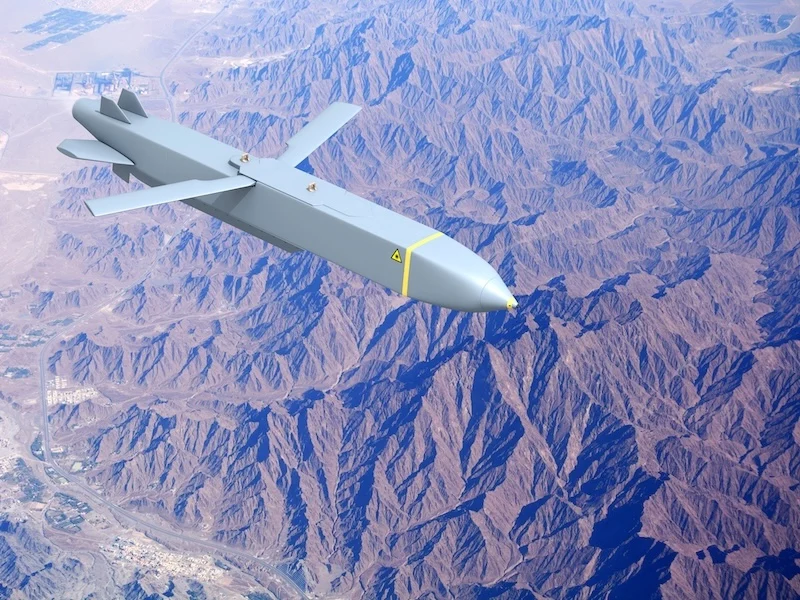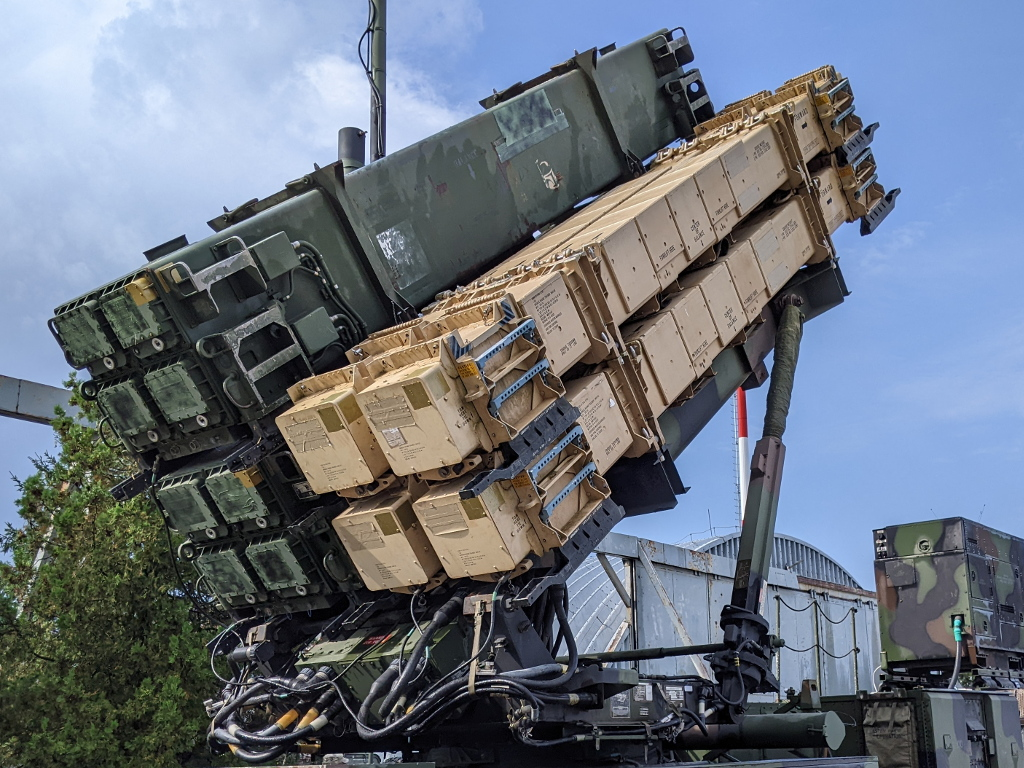
Taiwan Rejects Japan-Made Patriots as 102 U.S. Missiles Face Supply Pressure
Taiwan is holding firm on the origin of its next Patriot interceptors just as heavy American missile use is raising concern about supply. A Taiwanese military official said the island would not accept Japanese-made missiles in place of 102 American-made Patriot Advanced Capability-3 interceptors scheduled for delivery this year.

That does not mean the shipment has been delayed. A Taiwan Ministry of National Defense official told lawmakers in March that all 102 missiles would arrive on schedule, and no official delay or revised delivery date has since been announced. The United States also has not proposed substituting Japanese-made missiles. The concern is whether a heavily used inventory and a production system still being expanded can support the existing timetable.
The pressure starts with consumption. Citing reporting by The New York Times, accounts of the Iran war put the number of PAC-3 interceptors fired above 1,500 and the remaining U.S. inventory below 1,700. Those are attributed estimates, not confirmed official totals, but they illustrate the procurement problem: sophisticated interceptors can be expended much faster than manufacturers replace them.
Licensed production does not create a common pool
Patriot production outside the United States offers additional industrial capacity, but not necessarily missiles that Washington can redirect freely. The United States has approved manufacturing in Japan and Germany. Japan can resell domestically produced Patriots to the U.S. military, yet its restrictions prevent direct supply to third countries.
Taiwan’s position adds a separate contractual boundary. The US side has never indicated they would be Japanese-made, and Taiwan would not agree to that either, the Taiwanese military official said. Taiwan bought American-made missiles, so licensed Japanese production is not a straightforward replacement channel for its order.
This distinction matters because missile supply is governed by more than the final assembly rate. Export rules, customer agreements, component qualifications and government allocation decisions determine which finished interceptors can reach which operators. Adding a production line in another country may strengthen the broader supply network without making every missile interchangeable across contracts.
U.S. production is expanding, but ramps take time
Washington is trying to increase output at the component level. An August framework agreement announced by the Department of War calls for tripling PAC-3 production and establishing Northrop Grumman as a second source for the PAC-3 Missile Segment Enhancement’s solid rocket motor. It also covers increased production of ignition-safety devices.
The second-source strategy addresses a basic manufacturing risk: expanding final assembly accomplishes little if propulsion hardware or another specialized component remains constrained. Bringing on another qualified motor supplier can add resilience and competition, but qualification, tooling, workforce development and production testing prevent an instant surge.
Northrop Grumman said the associated seven-year PAC-3 framework is worth $2 billion and supports the U.S. Army’s planned increase from roughly 600 missiles annually to thousands in the near term. That statement describes intended capacity growth, not missiles immediately available for Taiwan’s 2026 delivery.
The timing mismatch is central. Combat use draws from completed inventory now, while new factories, tooling and supplier capacity produce results over subsequent production cycles. Until higher rates are sustained, U.S. officials must balance replenishment with deliveries already committed to overseas customers.
Taiwan’s requirement extends beyond this year’s shipment
The 102 interceptors are one part of a larger buildup. Taiwan plans to spend about NT$20 billion, approximately $620 million, to acquire another 300 PAC-3 missiles by 2027. If completed as planned, that purchase would raise its inventory to 650.
Those missiles support a force that currently includes three Patriot battalions and roughly 2,000 personnel. Taiwan also plans to establish a fourth battalion in the east. A new battalion involves more than launch equipment: its readiness depends on trained personnel, maintenance support and a sufficient interceptor inventory for sustained operations.
Taiwan’s refusal of Japanese-made missiles therefore does not by itself create a delivery problem. It does, however, remove a hypothetical sourcing option that was already restricted by Japanese transfer rules. With no official delay announced, the next decisive milestone remains whether the United States delivers all 102 American-made PAC-3 interceptors on this year’s schedule while its industrial base begins a much larger production ramp.
| More aerospace and engineering stories, right in your MSN feed. Follow AMI on MSN |
By David Whitaker — Associate editor for AMI’s aerospace and drone systems desk, translating flight systems, aircraft programs, spaceflight, and UAV developments into accessible technical stories.