Air Force Says B-21 and F-47 Are Ahead, but Only One Has Flown
The U.S. Air Force says its next stealth bomber and fighter are progressing faster than planned, but the two claims do not rest on equal technical evidence. The Northrop Grumman B-21 Raider is conducting flight tests with two aircraft, while Boeing’s F-47 has not yet flown. That leaves the bomber’s 2027 operational milestone supported by visible test activity and the fighter’s planned 2028 first flight as an official target still to be demonstrated.
Gen. Dale White, the Air Force’s director of Critical Major Weapon Systems, delivered the schedule update at Life Cycle Industry Days in Dayton, Ohio, on July 29. He said the first operational B-21 would be “on the ramp” at Ellsworth Air Force Base in South Dakota in 2027 and characterized planning for the F-47 as having reached “unprecedented maturity.” His assessment is significant, but it remains an attributed program-status claim rather than an independently established result.
The B-21 has measurable flight-test progress
The B-21 first flew from Plant 42 in Palmdale, California, in November 2023 and is now in advanced testing at Edwards Air Force Base. A second Raider joined the flight-test campaign in September 2025. Adding another aircraft matters because a test fleet can spread work across more sorties and test points rather than relying on one airframe for the entire campaign.
White attributed an approximately 25% acceleration in the B-21 program to a one-time $4.5 billion funding increase. He called the resulting production progress “physical proof our warfighting-focused acquisition mindset can and will work.” The added money does not by itself guarantee the 2027 fielding date, but it can support the test, tooling, supplier and production work needed to move aircraft toward an operational unit.
Northrop Grumman is building toward a planned output of seven operational bombers per year. The Air Force ultimately wants as many as 100 B-21s to replace the B-1 Lancer and B-2 Spirit. Those figures put the 2027 arrival in context: placing one operational aircraft at Ellsworth would begin the transition, not complete it. Sustained annual production will determine how quickly the Raider becomes a meaningful part of the bomber force.
The F-47 schedule begins from a different point
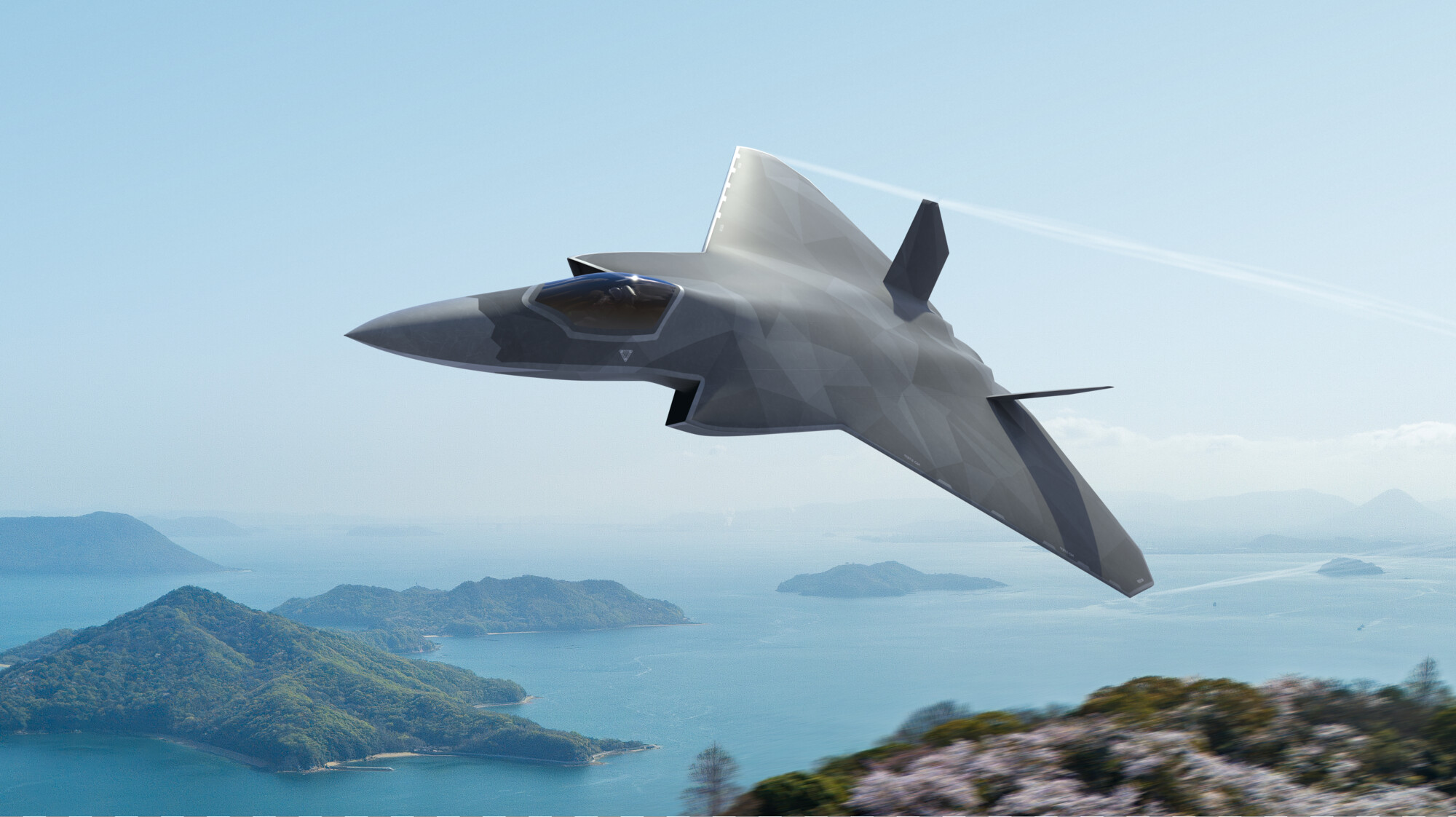
The F-47 is earlier in its publicly visible development path. The Air Force awarded Boeing the engineering and manufacturing development contract in March 2025. That phase covers maturation, integration and testing and is expected to produce a small number of test aircraft. Options for low-rate initial production are also included.
White said the fighter “will fly in this administration,” with first flight targeted for 2028. The fiscal 2027 budget request allocates $5.03 billion to the program, and the Air Force plans to acquire 185 aircraft. The F-47 is intended to replace the F-22 Raptor as the service’s primary air-superiority fighter and operate alongside Collaborative Combat Aircraft, autonomous aircraft often described as “loyal wingmen.”
The Air Force has pointed to digital engineering, government-owned architecture and prior experimental-aircraft work as foundations for a faster development schedule. Experimental aircraft associated with that broader effort have accumulated hundreds of flight hours, according to the service. That work can reduce uncertainty around technologies and operating concepts, but it is not the same as flying the production-representative F-47 configuration.
First flight will therefore be the F-47’s crucial public checkpoint. It will show that Boeing and the Air Force have moved from design maturity and subsystem development to an integrated aircraft capable of entering a flight-test campaign. It will not establish operational readiness, production stability or fleet availability, all of which require later testing and manufacturing progress.
The Air Force’s schedule claim is consequently strongest for the Raider, where two aircraft are already generating flight-test data and a production target has been stated. For the F-47, the 2028 date remains a demanding promise backed by funding and development work but not yet by a flight of the fighter itself.
| More aerospace and engineering stories, right in your MSN feed. Follow AMI on MSN |
By David Whitaker — Associate editor for AMI’s aerospace and drone systems desk, translating flight systems, aircraft programs, spaceflight, and UAV developments into accessible technical stories.