Taiwan’s First Two F-16V Fighters Reportedly Depart, Leaving 64 Still Undelivered
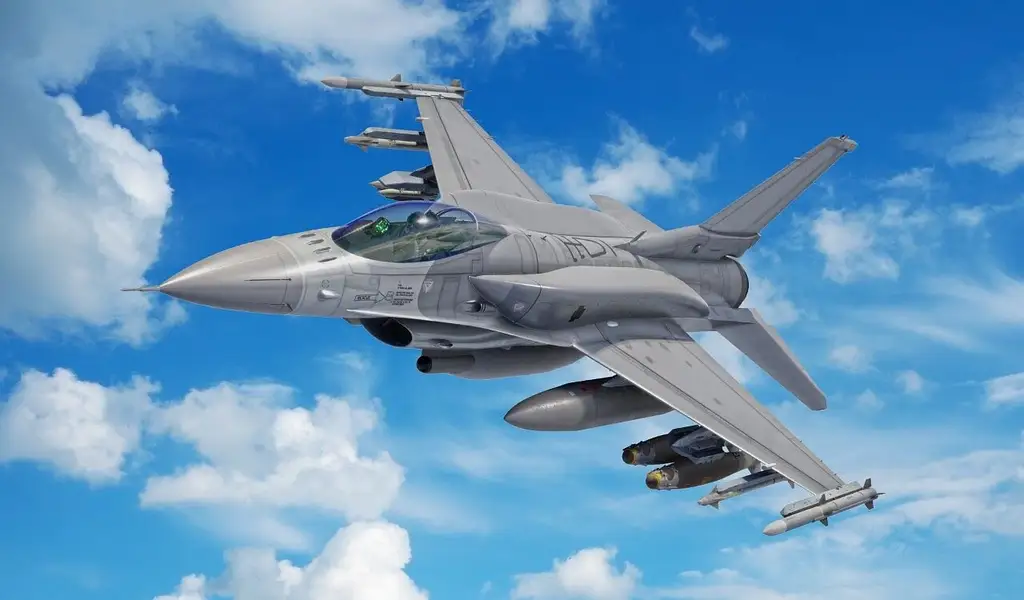
Taiwan’s long-delayed fighter order has reportedly reached its first delivery flight, but most of the program remains on the factory and test side of the handover. Two newly built F-16V Block 70 fighters, tail numbers 6727 and 6728, reportedly departed Fort Worth, Texas, on August 17, beginning their trip to Taiwan while 64 aircraft from the 66-jet order remain undelivered.
The flight marks an important transition for the approximately $7.75 billion Peace Phoenix Soaring program. Taiwan ordered the fighters in 2019, with the first two initially expected before the end of 2023 and the full order originally scheduled for completion by the end of 2026. The reported departure indicates that at least the first aircraft have moved beyond production and U.S.-based testing toward delivery, years later than initially planned.
The destination was reported as Chiayi Air Base. Additional claims about a route through Hawaii and Guam, aerial refueling and a maintenance stop have not been confirmed through official flight or delivery records. Taiwan’s government and Lockheed Martin also had not provided a corresponding public delivery announcement in the material available for this report.
A schedule recovery now has to become a delivery rhythm
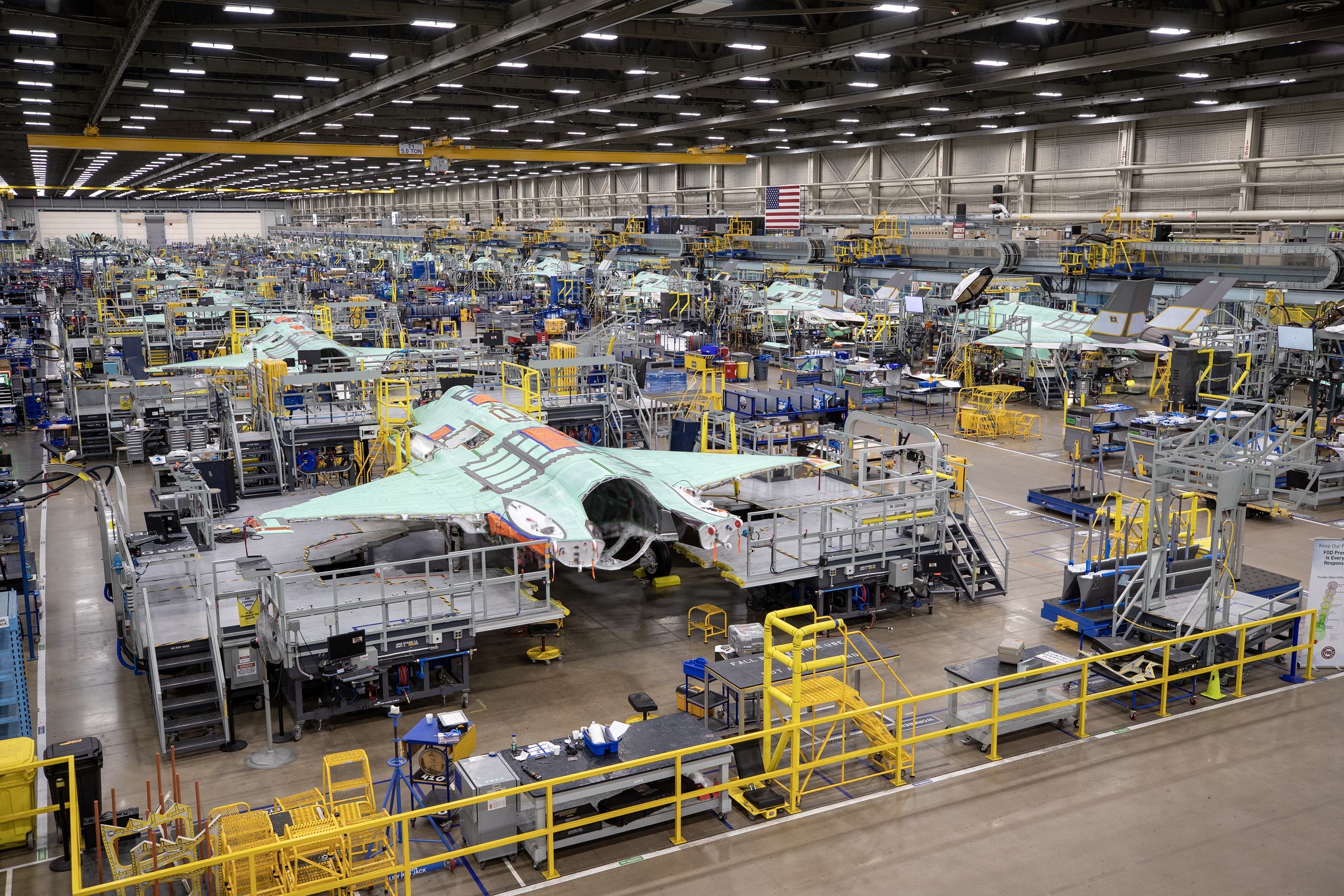
As recently as March, Taiwan’s defense minister said a September arrival for the first aircraft was feasible if testing proceeded smoothly. At that point, 59 fighters were on the U.S. assembly line, according to a report on the program’s official status. Taiwan’s Ministry of National Defense said the first aircraft still had to complete a final acceptance flight before delivery.
That testing requirement is central to the schedule rather than a formality. A completed airframe still must progress through system checks, ground runs, flight testing, discrepancy correction and customer acceptance before it can be handed over. Moving the first two aircraft demonstrates that this sequence can reach the delivery stage, but it does not establish how quickly the next 64 will clear the same process.
The delay has been attributed to pandemic disruption, manpower shortages, supply-chain problems, software issues and the challenge of relocating and restarting F-16 production in Greenville, South Carolina. Lockheed Martin and Taiwanese officials have described a production-recovery effort involving additional workers, longer operating hours and a two-shift schedule. Lockheed Martin has said it continues to work with the U.S. government to accelerate delivery where possible.
Those measures can increase assembly output, but final delivery capacity also depends on test aircraft availability, trained crews, software maturity, parts flow and the time needed to resolve findings from each airframe. That is why the first ferry flight is a genuine milestone without yet proving that the overall backlog has been cleared.
Block 70 adds new systems, not just new airframes
The new fighters are single-engine F-16s built in the Block 70 configuration. Their principal updates include an active electronically scanned array radar, a new mission computer, glass-cockpit displays and conformal fuel tanks. Together, those changes update the aircraft’s sensing, processing, pilot interface and fuel capacity while retaining the established F-16 platform.
Taiwan already operates a substantial F-16V force. A separate modernization program completed in 2023 upgraded roughly 140 older F-16A/B aircraft to the F-16V standard. Adding all 66 new-build fighters would therefore take the overall Taiwanese F-16V fleet beyond 200 aircraft.
That common designation does not make the new-build and upgraded fleets identical in every respect, but it can provide operational and support advantages through more closely aligned radar, cockpit and mission-system architectures. The practical value depends on configuration management, software support, training and the availability of spares across the combined fleet.
Remaining deliveries have been projected to continue through 2027 and 2028, and the new aircraft have been reported as eventually destined for Zhihang Air Base under the 7th Tactical Fighter Wing. Neither the final delivery cadence nor that basing plan should be treated as officially settled. After years of delay, the decisive measure will be how quickly this first pair is followed by repeatable testing, acceptance and handover of the other 64 fighters.
| More aerospace and engineering stories, right in your MSN feed. Follow AMI on MSN |
By David Whitaker — Associate editor for AMI’s aerospace and drone systems desk, translating flight systems, aircraft programs, spaceflight, and UAV developments into accessible technical stories.