After 21 Ukrainian Drone Attacks, Russia Extends Fuel Ban Amid 20-Year Refining Low
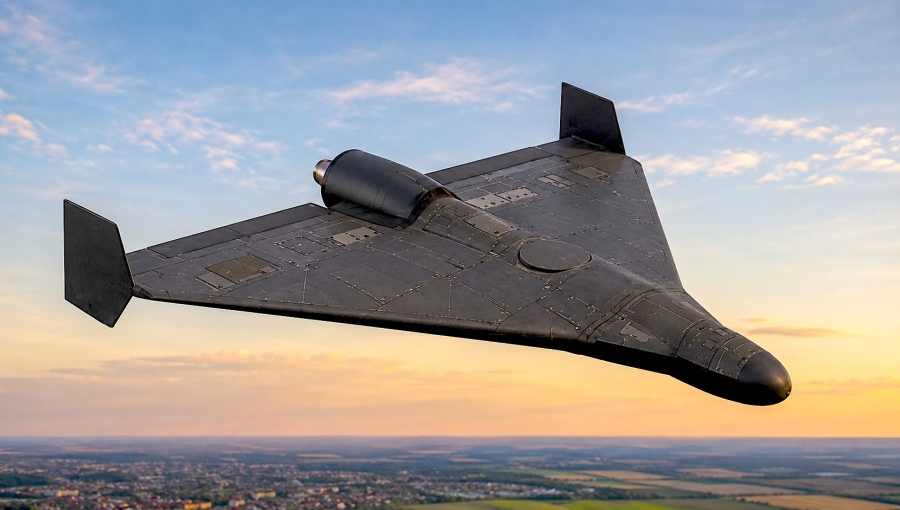
Russia has extended restrictions on producer exports of diesel, marine fuel and gas oil through September 30 after 21 reported Ukrainian drone attacks on its refineries during August. The one-month extension, announced at the end of August, is intended to protect domestic supply as refinery processing remains at its lowest level in more than two decades.
The attacks contributed to a wider set of refinery outages, but they are not the only constraint. Scheduled maintenance and uneven distribution are also limiting fuel availability. A broader Russian fuel-export restriction is reported to remain in effect through January 31, 2027, with exceptions for certain government-authorized shipments.
Refinery disruption has become a production problem
EA Analytics data cited in the reporting puts Russia’s average August crude processing at 3.8 million barrels per day. That compares with a reported seasonal requirement of approximately 5.3 million to 5.5 million barrels per day during the summer and agricultural-demand period.
This gap matters more than a count of damaged or offline facilities. Refinery capacity describes what plants can process under normal conditions; throughput measures what they are actually processing. Even when only part of a refinery is unavailable, constraints in interconnected processing units can reduce the volume and mix of usable products leaving the plant. Public reporting does not establish that every August production loss resulted from a drone attack, but the repeated disruptions have compounded existing maintenance and logistics pressures.
The product data shows how that reduced throughput moved down the supply chain. During the first three weeks of August, gasoline production and domestic deliveries reportedly fell nearly 20% from a year earlier. Diesel production declined by more than 23%. S&P Global was also cited as reporting that at least 26 Russian refineries had recently experienced shutdowns, although individual shutdown durations and causes varied.
The pressure was already visible before the latest extension. S&P Global cargo-tracking data showed Russian refined-product exports falling from 1.51 million barrels per day in June to a preliminary 1.18 million in July, the lowest level in that dataset going back to 2016. Lower product exports can preserve more fuel for domestic buyers, but they cannot replace production that never leaves the refinery.
Distribution limits turned lower output into local shortages
Russia’s export restriction is therefore a supply-allocation measure rather than a refinery repair. It keeps additional diesel and other products inside the country, but those products must still be moved from operating plants to regions where inventories are low. Fuel reportedly redirected from eastern Russia toward Moscow aggravated deficits in at least 10 other regions, illustrating the limits of treating national production as one fully interchangeable pool.
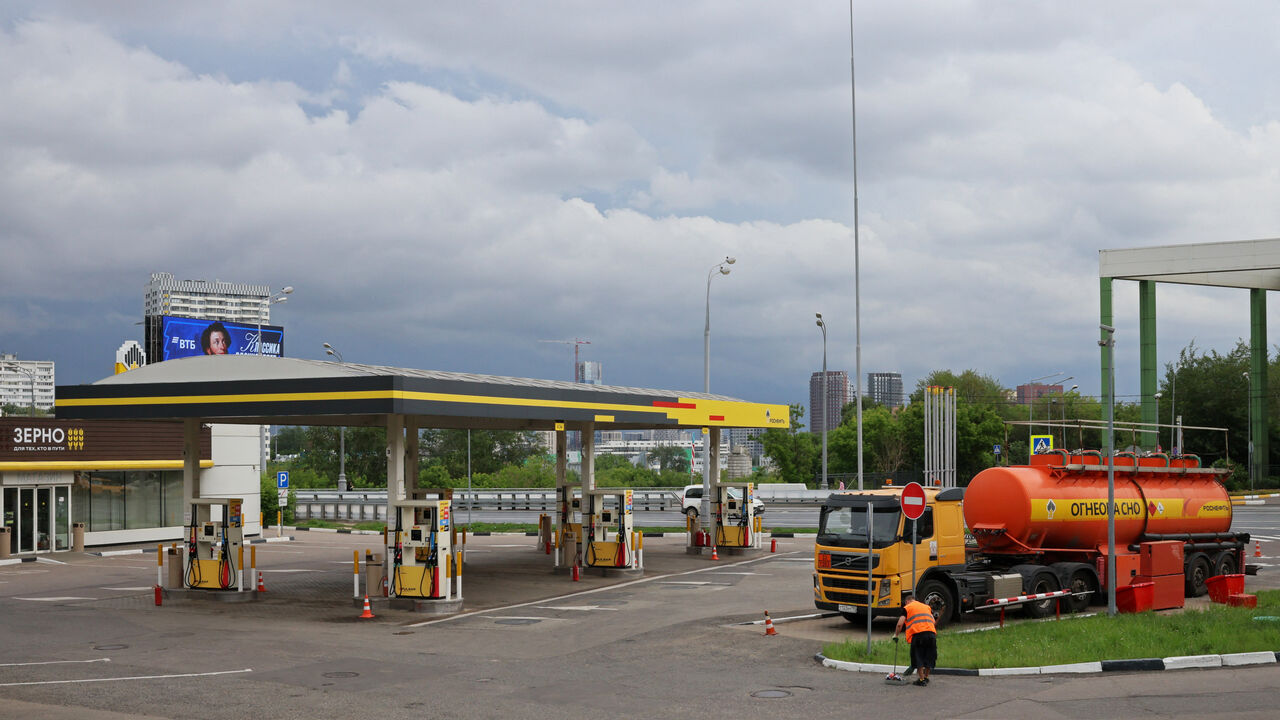
By mid-August, some filling-station chains in Moscow reportedly limited gasoline and diesel purchases to 40 to 60 liters per vehicle. AI-95 gasoline was unavailable at numerous stations, while prices at some locations reached 120 rubles, approximately $1.50, per liter. Gasoline sales on the St. Petersburg exchange also reportedly fell by about 20% in early August.
Those figures indicate a resilience problem across production, wholesale allocation and final delivery. Redirecting fuel can protect a large urban market temporarily, but it transfers pressure elsewhere when the system lacks surplus output. Agricultural users and industries also compete for supply during a period of elevated seasonal demand, leaving less flexibility to rebuild inventories.
Long-range drones impose a broad readiness burden
For Russia, protecting a geographically dispersed refinery network creates a different challenge from defending a small number of military sites. Air-defense and electronic-protection resources are finite, while refineries are large, fixed industrial facilities distributed across a wide area. The reported scale of 21 refinery attacks in one month therefore matters even when individual results are uncertain: repeated alerts and attempted strikes can impose continuing demands on detection, interception, repair and industrial staffing.
There is substantial uncertainty around the exact share of refinery capacity unavailable and how quickly individual units can return. Estimates differ because nominal shutdown capacity is not the same as lost daily production, and public information about repairs is incomplete. The strongest measurable indicators are the reported throughput and product-output declines, not claims about any single facility.
September brings another constraint that export controls cannot remove. Analysts warned that scheduled maintenance at major Russian plants and at Belarus’ Novopolotsk refinery could reduce available supply just as Russia attempts to stabilize its domestic market. Belarus had been supplementing Russian production, so maintenance there narrows an external buffer as well.
The September 30 deadline gives the government another month to hold more fuel inside Russia. Whether that is enough will depend on refinery recovery, maintenance schedules and distribution performance. With August processing at 3.8 million barrels per day against seasonal needs above 5 million, the restriction preserves scarce output it does not close the production gap.
| More aerospace and engineering stories, right in your MSN feed. Follow AMI on MSN |
By Stephen Wallace — Editor for AMI’s aerospace integration and unmanned mobility coverage, focused on drone manufacturing, VTOL systems, autonomous networks, and air-ground mobility links.