Air Force Activates Andrews Squadron for 26 Rescue Helicopters, Tightening Fleet
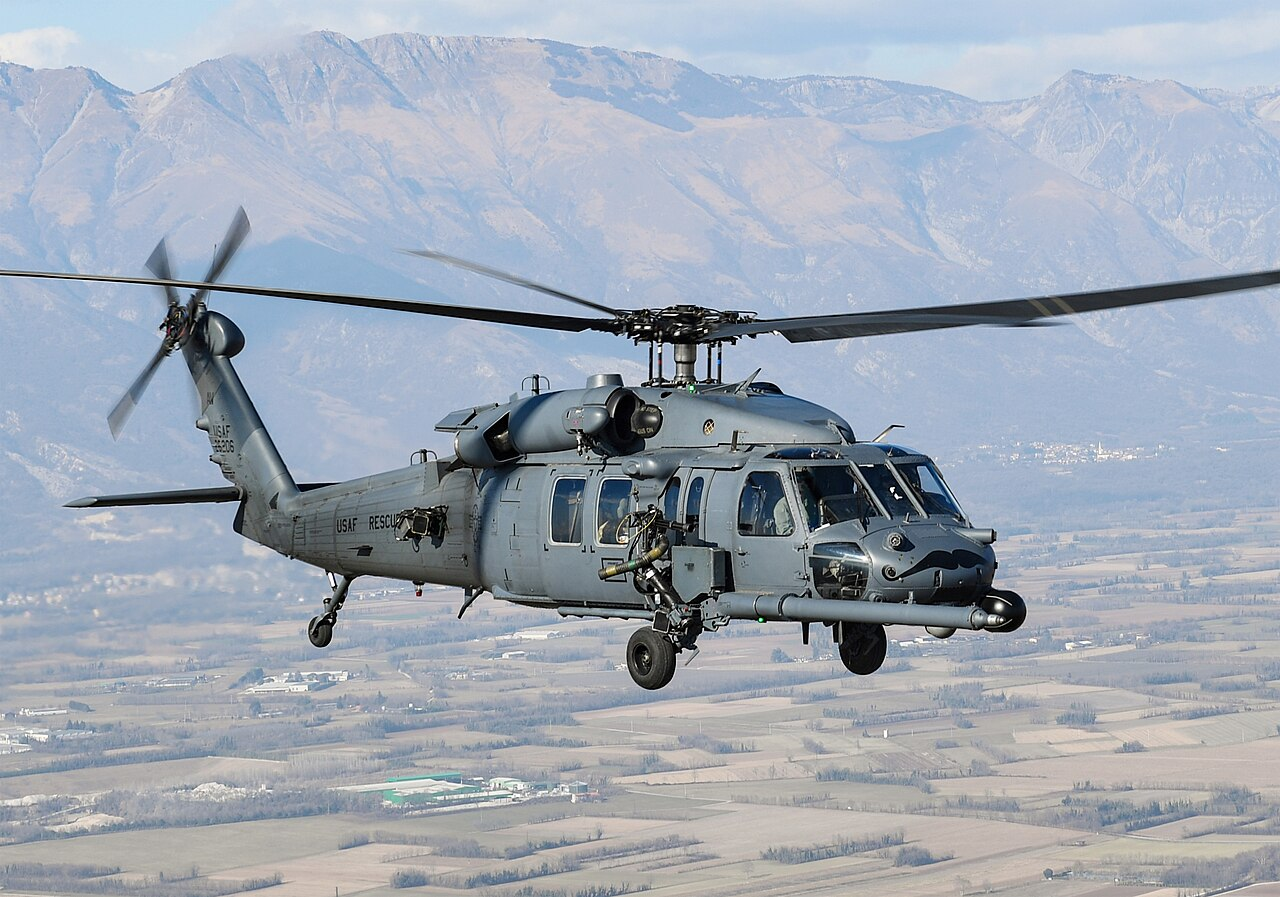
The Air Force is preparing to place 26 Sikorsky HH-60W Jolly Green II helicopters at Joint Base Andrews for crisis response and senior-leader transport around Washington. That would modernize a critical federal continuity mission, but it could also commit nearly one-third of a reduced helicopter program originally built around combat rescue.

The immediate step was the August 27 activation of the 5th Helicopter Squadron, Andrews’ first new Air Force helicopter squadron in 60 years. The unit will train aircrews and maintainers, establish operating and maintenance procedures, and prepare to receive HH-60Ws. The Air Force expects full operational capability in 2030.
The fleet size is the central constraint. The Air Force previously reduced planned HH-60W procurement from 113 aircraft to 91. If no additional helicopters are ordered, the 26-aircraft Andrews plan would account for nearly one-third of that total. The number therefore matters well beyond Washington: every aircraft assigned to this specialized mission is part of a relatively limited fleet supporting the service’s wider personnel-recovery requirements.
A better helicopter, but not a simple replacement
The transition addresses a real platform problem. Andrews currently operates 26 UH-1N Twin Hueys that are between 49 and 59 years old. Compared with those aircraft, the HH-60W provides greater speed, range, payload and modernized navigation, communications, weather, sensor and survivability systems. It can also refuel in flight, extending its usefulness for missions that require reach or endurance.
Those improvements are relevant to Andrews’ round-the-clock duties. The helicopters support contingency response, defense assistance to civil authorities and transportation for senior U.S. and foreign officials. They are also intended to support continuity-of-government operations during a major crisis. More range and payload can expand what crews carry and how far they respond without relying on the operating margins of an aging Huey fleet.
But the Jolly Green II was designed as a combat-rescue helicopter, not as a direct executive-transport replacement. The Andrews aircraft are expected to receive mission-specific changes to their cockpit configuration, communications and defensive systems. That creates a distinct configuration that must be incorporated into training, maintenance documentation, spare-parts planning and qualification standards.
Commonality with the broader HH-60W fleet should still offer advantages over introducing an entirely unrelated airframe. Aircrew and maintenance experience can move between units, and Andrews could provide another assignment for personnel already familiar with the helicopter. Yet specialized modifications can narrow that commonality, particularly if equipment, procedures or cabin arrangements diverge from those used by combat-rescue squadrons.
The overlap protects Washington during the transition
The Air Force is not planning a single-step handoff. The 1st Helicopter Squadron will retain immediate-response responsibility with its UH-1Ns while the 5th builds HH-60W proficiency. The two units will operate in parallel until the new squadron can execute the mission safely and sustainably. Only after full operational capability is reached is the 1st expected to begin its own conversion.
That phased approach protects service continuity, but it also explains the 2030 timeline. Receiving aircraft is only one part of fielding a new fleet. Andrews must qualify crews, train maintainers, establish procedures and absorb approximately 60 additional personnel while continuing its existing 24/7 mission. The parallel operation reduces transition risk at the cost of supporting two aircraft types for several years.
The allocation question remains unresolved at the policy level. The MH-139A Grey Wolf had previously been selected for both missile-field security and National Capital Region duties before the Air Force shifted the Washington mission to modified HH-60Ws. Congress has requested a report covering the operational, economic, infrastructure and aircraft-availability effects of that decision.
That review should clarify the trade being made: whether using already procured HH-60Ws provides enough cost and schedule benefit to justify drawing 26 aircraft into a specialized Washington role. Until additional procurement or a revised fleet plan is confirmed, Andrews’ modernization and the combat-rescue fleet will remain linked by the same hard limit 91 planned helicopters.
| More aerospace and engineering stories, right in your MSN feed. Follow AMI on MSN |
By David Whitaker — Associate editor for AMI’s aerospace and drone systems desk, translating flight systems, aircraft programs, spaceflight, and UAV developments into accessible technical stories.