Air Force’s $75.5 Million Morón Plan Fits Nine Unarmed B-52s, Three Armed
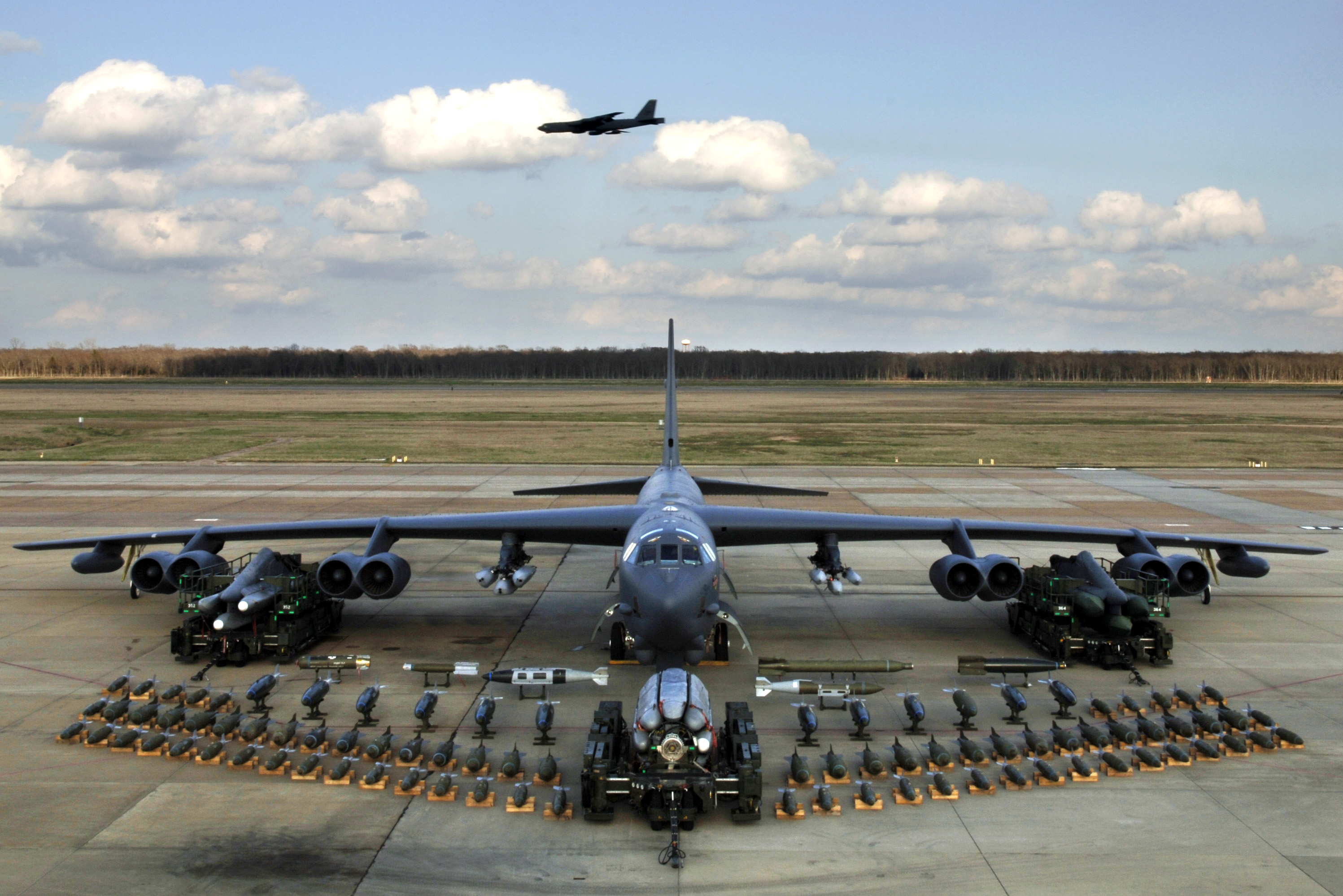
Nine unarmed bombers, or three carrying live munitions: that capacity split defines the U.S. Air Force’s proposed $75.5 million expansion at Morón Air Base in southern Spain. Included in the service’s fiscal 2027 military-construction plan, the project would substantially increase how many Boeing B-52H Stratofortress bombers the base can stage simultaneously.

The difference between nine and three is not a contradiction in the plan. It reflects the additional separation required when aircraft carry live munitions. The proposed apron must therefore provide enough usable pavement not only for the B-52’s physical footprint, but also for the larger safety spacing associated with armed aircraft.
The $75.5 million buys more than parking space
The planned scope includes a new aircraft apron, relocation of a civil-engineering complex, covered and open storage, lighting, environmental protection and related supporting work. Additional reporting on the Morón construction plan also identifies new fueling points and associated piping, wider apron shoulders and access-road work.
Those supporting elements matter because an apron is an operating system, not an isolated slab of pavement. Aircraft must be able to enter and leave their positions, receive fuel and ground support, and operate safely after dark. Existing facilities may also need to move when their locations interfere with the geometry or safety boundaries required by the expanded parking area.
That makes the armed-aircraft limit a useful measure of what the public construction money is intended to accomplish. A layout optimized only around wingspan and ground clearance could fit more aircraft, but it would not necessarily support the same aircraft when live munitions impose wider separation. The planned three-bomber armed configuration purchases a different kind of capacity: fewer simultaneous parking positions, but positions designed around the more restrictive operating condition.
A surge hub, not a permanent bomber station
Morón, near Seville, has hosted rotating U.S. bombers for years, generally in ones and twos. Raising the planned capacity to nine unarmed B-52s would therefore represent a major increase in simultaneous staging space, even though the proposal would not make Morón a permanent B-52 base.
Air Force planning documents describe the installation’s role as the “staging of aircraft and personnel in support of US and NATO plans, exercises and contingency operations.” In practical terms, the expansion is about accommodating a larger temporary deployment during periods of increased activity, then supporting the movement of those aircraft onward or back to their home stations.
That distinction affects both cost and infrastructure. A permanent bomber station would imply an enduring force presence and a broader set of facilities tied to continuous operations. The Morón proposal instead concentrates public spending on transient-aircraft capacity: pavement, fueling access, storage, lighting and the relocation of facilities that constrain the new layout.
The tradeoff is that physical capacity does not itself guarantee access for every proposed operation. Host-nation approvals and applicable agreements remain separate from apron design. Reports have linked the investment to Spain’s refusal to permit certain U.S. long-range bomber missions against Iran during a 2026 confrontation, but that account is not the Air Force’s confirmed reason for the project. Construction planning also preceded that dispute.
The proposal should not be treated as completed work. It remains part of the fiscal 2027 military-construction plan, subject to the steps required before construction and operational use. If it proceeds, Morón’s most visible new capability will still carry a firm boundary: room for nine B-52s when unloaded, but only three when live munitions trigger the apron’s more demanding safety geometry.
| More aerospace and engineering stories, right in your MSN feed. Follow AMI on MSN |
By David Whitaker — Associate editor for AMI’s aerospace and drone systems desk, translating flight systems, aircraft programs, spaceflight, and UAV developments into accessible technical stories.