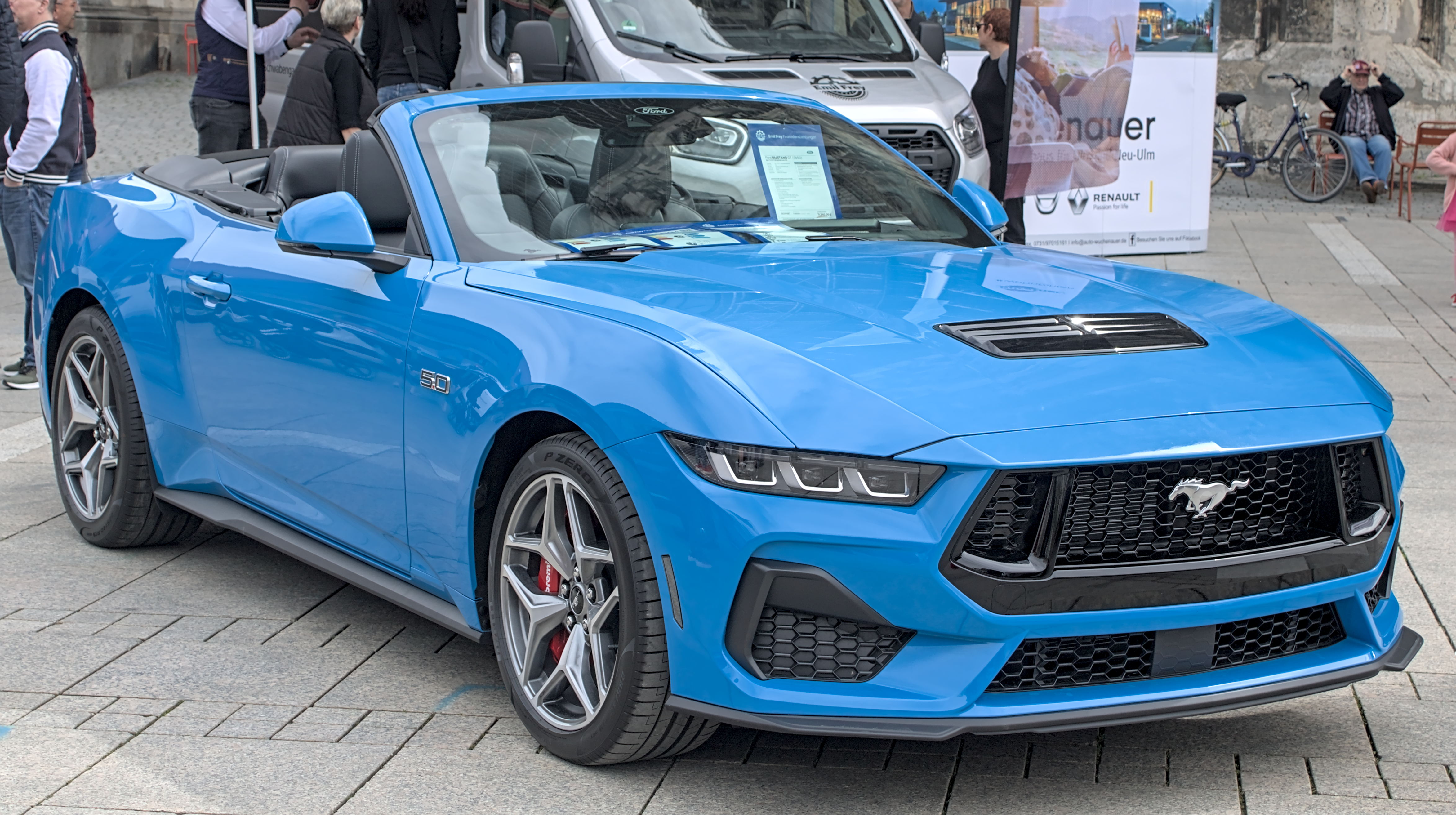
Ford Recalls 148,663 Mustangs as Ground Terminals May Cut Drive Power
An electrical ground terminal is physically small, but it provides the return path needed for a vehicle circuit to operate. Ford is recalling 148,663 Mustang vehicles because ground connections in the engine-compartment wiring harness may fracture, potentially interrupting drive power, headlights, engine cooling and other functions.

The action is Ford recall 26C40 and National Highway Traffic Safety Administration campaign 26V547. According to the federal recall information, the possible consequences also include loss of the windshield-washer system or air conditioning. Loss of propulsion can increase crash risk, while inoperative headlights or washers can reduce visibility.
A ground connection completes an electrical circuit by giving current a controlled path back to the vehicle’s electrical system. If that connection opens, the result depends on which circuit relies on the affected ground. That distinction explains why the recall lists several possible outcomes rather than one universal failure pattern.
It also means owners should not assume that a working engine proves every affected electrical path is intact. Conversely, inclusion in the recall does not mean a particular Mustang has already experienced a fracture. Federal information estimates that approximately 1% of the recalled population has the defect, but the campaign covers the larger group so the relevant terminals can be replaced before a failure develops.
Potential warning signs include an illuminated Check Engine Light, messages in the instrument cluster or an audible chime. Those indications are important, but they should not be treated as a guaranteed advance warning. The documents describe them as symptoms drivers may experience, not alerts that must appear before every possible loss of function.
The breadth of the listed effects reflects the Mustang’s electrical integration. Propulsion management, lighting, visibility equipment, cabin systems and thermal management perform different jobs, yet all depend on reliable power and ground paths. A cooling-fan interruption, for example, is not the same operational problem as a failed headlight, but both can originate from an electrical return-path fault covered by the same campaign.
The visibility consequences also give the recall a regulatory dimension. Supplemental recall information identifies potential noncompliance with Federal Motor Vehicle Safety Standard 108, which covers lamps and associated equipment, and Standard 104, which covers windshield wiping and washing systems. Those requirements help explain why losing apparently separate convenience and support functions can become a formal safety matter: headlights and windshield cleaning directly affect a driver’s ability to see and be seen.
Ford’s remedy is hardware replacement rather than a software update or inspection-only campaign. Dealers will replace the engine-compartment wiring-harness ground terminals at no charge. That approach addresses the physical connection identified in the recall and avoids placing the cost of the safety repair on affected owners.
Safety-risk notification letters were mailed beginning Aug. 31, 2026. The supplied recall summary does not specify which Mustang model years or configurations are covered, so owners should rely on Ford’s notification and vehicle-specific recall information rather than assuming inclusion or exclusion from the vehicle’s appearance or trim. Ford customer service can be reached at 1-866-436-7332; owners arranging service should reference recall 26C40.
Ford has also issued a separate recall, 26S61, covering 10,001 vehicles because an engine piston dome may have been manufactured incorrectly. That campaign includes the 2026 Bronco Sport, but it is not the cause of the Mustang wiring-ground action. Although both recalls identify possible loss of drive power, one concerns electrical ground terminals and the other concerns an engine component, with different affected populations and remedies.
For Mustang owners, the practical issue is therefore specific: a potentially fractured engine-compartment ground terminal can disable more than one safety-relevant function. The no-cost repair replaces that physical connection before a small piece of the wiring architecture can become a much larger vehicle-control problem.
| More aerospace and engineering stories, right in your MSN feed. Follow AMI on MSN |
By Thomas Caldwell — AMI’s senior editor for mechanical and mobility engineering, covering vehicle electronics, systems integration, electrification, chassis systems, propulsion, and safety policy.