Mitsubishi Recalls 67,146 SUVs After Software Can Disable Rearview Cameras
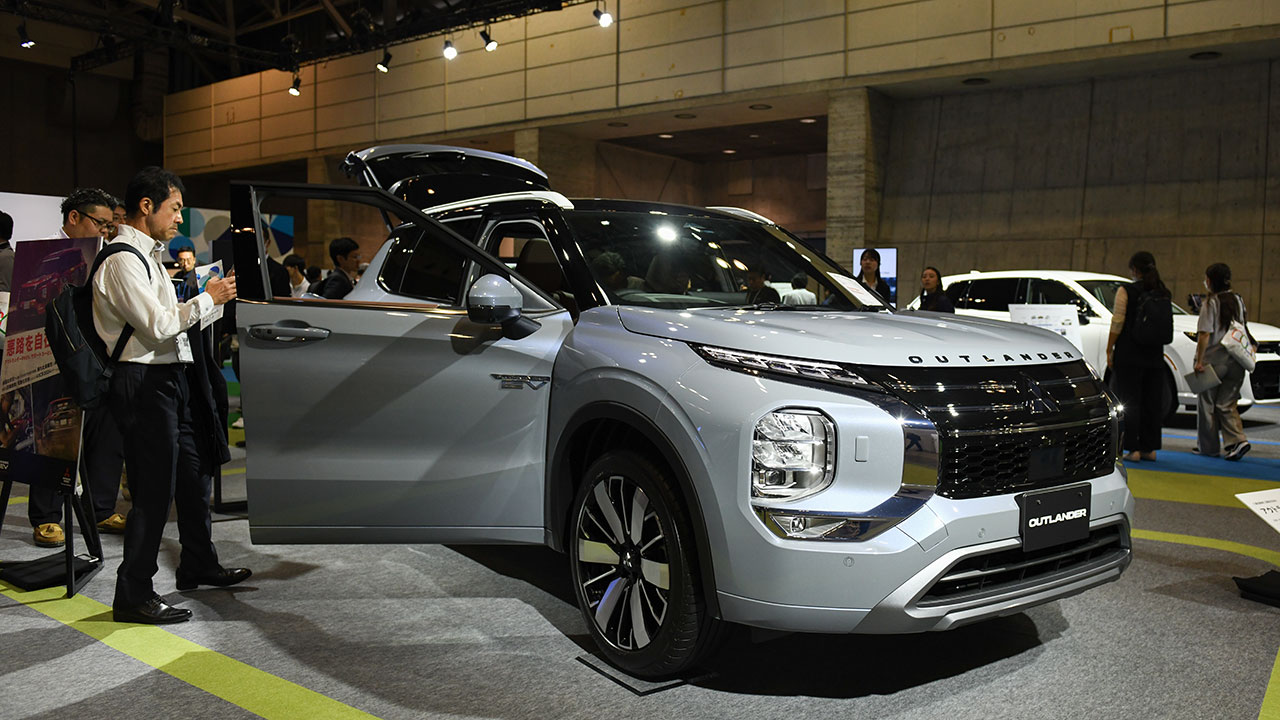
67,146 SUVs are included in a Mitsubishi Motors North America recall because faulty software can prevent a federally required rearview-camera image from appearing. The action covers 2025 and 2026 Mitsubishi Outlander and Outlander plug-in hybrid SUVs, with dealers assigned to install corrected software at no cost to owners.

The fault can emerge when a driver shifts into reverse. In addition to failing to display the camera image, the affected system may fail to boot, freeze, restart unexpectedly, show a black screen or scroll unintentionally. These are possible symptoms, not a statement that every affected vehicle will exhibit all of them.
Mitsubishi reports that it is unaware of any crashes, injuries or deaths associated with the defect. That does not remove the compliance issue: the vehicles fail to meet the applicable Federal Motor Vehicle Safety Standard because the software can interrupt a required rear-visibility function.
Why a software defect leads to a federal recall
Rearview cameras have been required on new vehicles sold in the United States since May 1, 2018. The requirement makes the complete operating chain important not just the camera itself. The camera must capture an image, the vehicle must recognize that reverse has been selected, the electronics must process the signal and the display system must present it as required.
Here, the prescribed remedy is a software update rather than replacement of the camera or display hardware. That distinction matters because it identifies programming as the documented compliance problem. It does not establish that the physical camera, wiring or screen is defective.
The recall also illustrates why an infotainment-related malfunction can carry consequences beyond navigation or entertainment. When the same display environment supports a regulated function, software behavior becomes part of the vehicle’s safety-compliance boundary. A failure to boot, a restart or a black screen may therefore be more than an inconvenience when it prevents the required rearward image from appearing at the specified time.
Federal compliance does not depend on whether a defect has already produced a documented crash. A vehicle can require corrective action when its design or programming does not reliably satisfy the applicable standard. In this case, the absence of reported crashes, injuries and deaths exists alongside not in place of the confirmed compliance failure.
The remedy is free but requires dealer service
Mitsubishi dealers will update the affected software without charging owners. The available information describes a dealer-installed remedy and does not state that it can be delivered remotely. That means completion depends on identifying covered vehicles, notifying owners and getting those vehicles into the service network.
This creates a practical access tradeoff. Owners are protected from the direct repair charge, but they must still arrange a dealership visit. Service scheduling and recall completion therefore become part of the system response, especially with more than 67,000 relatively new SUVs potentially affected.
Notification letters are scheduled to begin going out Sept. 24. Owners can also use Mitsubishi’s official open-recall search by entering the vehicle’s 17-character identification number. That vehicle-specific check is more precise than relying on model and model year alone, because a recall population does not necessarily include every example carrying the same nameplate.
Owners seeking more information or guidance about reimbursement for a previous related repair can contact Mitsubishi Motors North America customer service at 1-888-648-7820. The recall’s central systems issue is straightforward: a software layer serving multiple display functions can also control whether a mandatory rear-visibility image reaches the driver. For the 67,146 affected Outlander SUVs, restoring that function now requires a dealership software update.
| More aerospace and engineering stories, right in your MSN feed. Follow AMI on MSN |
By Thomas Caldwell — AMI’s senior editor for mechanical and mobility engineering, covering vehicle electronics, systems integration, electrification, chassis systems, propulsion, and safety policy.