


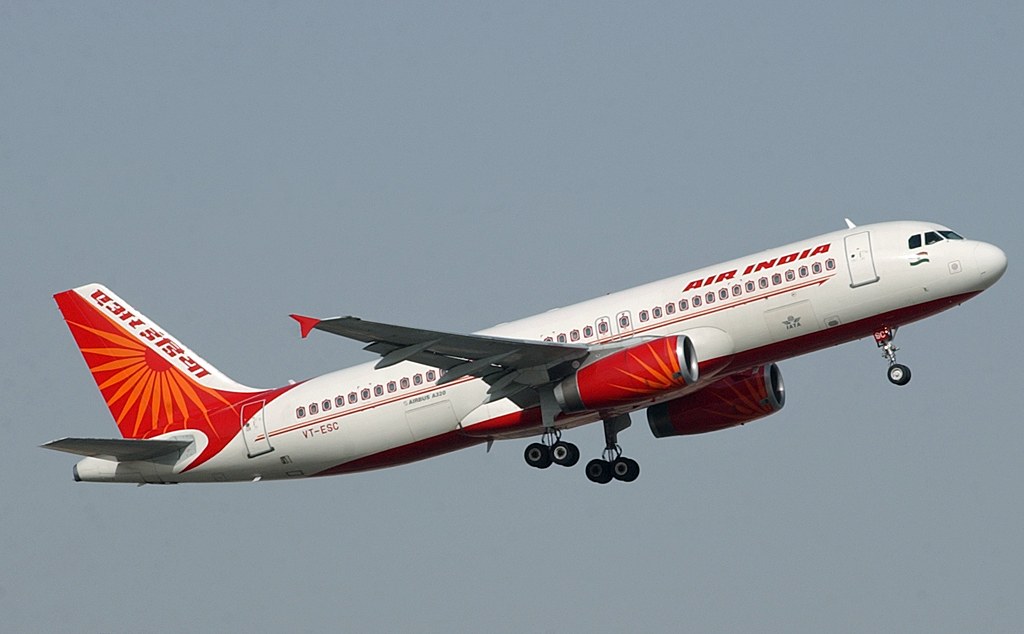
Air India A320 Detected Three Hydraulic Losses Before Upset Injured 24
An Air India Airbus A320 abruptly pitched up and down at 36,000 feet after its flight-control system detected the loss of all three hydraulic systems within four seconds. The August 4 upset threw passengers and cabin crew against overhead bins while the seatbelt signs were off, injuring 24 people. India’s Aircraft Accident Investigation Bureau has now documented the sequence in its preliminary findings, but it has not determined what initiated the pressure-loss indications.

The A320, carrying 137 passengers and eight crew from Phuket to New Delhi, initially climbed 372 feet and then descended to 292 feet below its assigned altitude. The autopilot disengaged, a continuous cockpit alarm sounded and a stall warning lasted two seconds. Airbus analysis reviewed by Reuters indicated that the elevators and ailerons were unavailable to the pilots for about four seconds. Hydraulic recovery began approximately nine seconds after the first detected loss.
What the recorded sequence establishes
The preliminary timeline provides an unusually concentrated chain of confirmed system effects: hydraulic-loss detections, autopilot disengagement, a brief interruption involving key control surfaces, a stall warning, rapid pitch and altitude changes, and then recovery. Investigators upgraded the occurrence from a serious incident to an accident because of the injuries.
The first officer was flying when the upset began and attempted to control the aircraft. The captain subsequently took control. Those facts establish crew roles and timing, but they do not establish that either pilot initiated the event or handled it improperly. Both pilots have been interviewed, and the investigation remains open.
Likewise, the report’s language about detected hydraulic losses must not be extended into an unsupported finding about a failed component. The central unresolved question is whether the three systems experienced an actual pressure loss, why that loss occurred if they did, or whether the aircraft registered erroneous indications. Hydraulic components and fluid samples were collected for analysis, while investigators also obtained maintenance records, flight-recorder data and other operational material.
Why three detections matter
The A320 has three independent hydraulic systems, identified as green, blue and yellow. They use separate reservoirs, and the architecture is intended to preserve functions when an individual system becomes unavailable. A near-simultaneous indication affecting all three therefore directs attention beyond the ordinary consequence of losing one hydraulic source, but it does not by itself identify a shared physical failure, electrical issue, sensing problem or any other cause.
That distinction is important because a flight-data record shows what the aircraft and its systems detected and how the aircraft responded; it does not automatically explain why the signals appeared. The approximately four-second loss of elevator and aileron availability described in the Airbus analysis is operationally significant because those surfaces govern pitch and roll response. It is still not proof of a particular mechanical defect.
Recovery also places a boundary around the event. The blue hydraulic system recovered first, approximately nine seconds after the initial loss indication, followed within seconds by the yellow and green systems. Flight-control surfaces then became available again and the aircraft returned to normal operation. The crew continued to Delhi, requested medical priority and landed there. The preliminary report made no recommendation to Airbus and announced no aircraft-specific inspection, maintenance change or airworthiness requirement.
Passenger exposure and the separate policy issue
The injuries illustrate why a short control upset can have substantial cabin consequences even when the aircraft recovers quickly. With the seatbelt signs off, unrestrained occupants and working cabin crew were exposed to the rapid vertical and pitch changes. Twenty passengers and four crew members were injured. That outcome is confirmed, but it does not establish that the seatbelt signs should have been on before an event investigators have not said was predictable.
A separate part of the inquiry concerns pilot fitness. The preliminary report said the captain returned a non-negative confirmatory result for an unspecified psychoactive substance and called the finding a “serious concern.” It did not identify the substance or connect the result to the hydraulic indications, control interruption or crew response. Treating the test as the established cause would go beyond the findings.
Air India is implementing one-time mandatory substance screening for all its pilots. India is also considering requiring every commercial pilot to undergo random testing annually, compared with the current requirement covering 10% of pilots each year. That broader annual-testing proposal remains under consideration; it is not implemented policy.
The investigation must ultimately reconcile two different safety questions: why the A320 detected the loss of three independent hydraulic systems within seconds, and whether any human-performance issue affected the event or response. For now, the recorded timeline is firm, the injuries are documented and the policy response is developing but the initiating cause remains unresolved.
| More aerospace and engineering stories, right in your MSN feed. Follow AMI on MSN |
By Thomas Caldwell — AMI’s senior editor for mechanical and mobility engineering, covering vehicle electronics, systems integration, electrification, chassis systems, propulsion, and safety policy.




