


NHTSA Links Banned Replacement Air-Bag Inflator to 11 Deaths, Urges Inspections
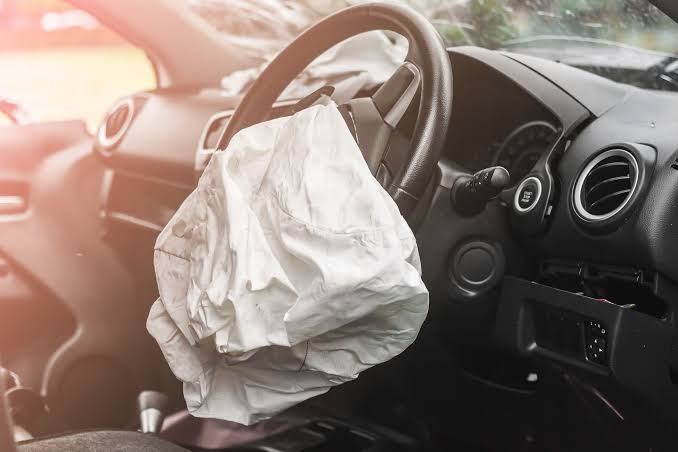
A prohibited replacement air-bag inflator may be concealed inside vehicles repaired after earlier crashes, with no complete list showing owners where the parts were installed. The National Highway Traffic Safety Administration now links DTN60DB inflators to 14 crashes involving 11 deaths and three severe injuries. It is urging people whose vehicles had an air bag deploy from 2020 onward to arrange an immediate professional inspection before driving again.

NHTSA confirmed the latest death on September 3, 2026, after an August 27 crash involving a 2018 Chevrolet Equinox in Dallas. The agency described the crash as one that should have been survivable, but said the replacement inflator ruptured during deployment and propelled metal fragments into the cabin. It was the first listed DTN60DB case involving an Equinox; the earlier incidents involved Chevrolet Malibu and Hyundai Sonata vehicles.
Those three nameplates do not define the suspected population. NHTSA says there is no information showing that the problem is limited to them, nor does their appearance in the incident list mean every Malibu, Sonata or Equinox is affected. The relevant distinction is whether a vehicle’s original driver air bag was later replaced with a module containing the prohibited inflator.
A safety defect outside the normal recall map
This case exposes a basic identification gap between factory-installed equipment and parts added during later repairs. Conventional recalls can use manufacturing records to connect a component with specific vehicle identification numbers. DTN60DB inflators were aftermarket equipment, were likely imported illegally and are not tied to the identification number of the vehicle in which they were eventually installed.
That means a standard recall lookup can return no relevant warning even when one of these replacement parts is present. NHTSA says a traditional recall is unlikely because the agency does not have a list of affected vehicles. Its final defect decision makes importing or selling these inflators illegal and requires their manufacturer to initiate a recall, but the fragmented installation history prevents the usual owner-notification process from functioning as designed.
The policy action therefore operates mainly at the equipment and sales level, while the immediate safety response depends on individual vehicle histories and physical inspections. NHTSA’s ban on the inflator’s import and sale, issued earlier in 2026, was described as its first prohibition of this kind in more than two decades. A ban can stop lawful future sales; it cannot by itself locate parts already hidden inside steering-wheel air-bag modules.
Why the mechanical failure is so consequential
An inflator is a pyrotechnic gas generator within the air-bag module. When a crash triggers deployment, it is supposed to remain structurally intact while producing gas rapidly enough to fill the cushion. In the documented DTN60DB incidents, the inflator ruptured instead. That creates two simultaneous failures: the cushion does not provide its intended protection, and fragments from the failed inflator enter the occupant compartment.
NHTSA has determined that frontal driver inflators marked DTN60DB contain a motor-vehicle safety defect. The parts carry markings associated with Jilin Province Detiannuo Safety Technology Co. Ltd. The company has argued that it did not sell inflators for installation in U.S. vehicles and that the units could be counterfeit. NHTSA’s safety determination applies regardless of who produced a particular marked unit because the known inflators have demonstrated the same dangerous rupture outcome.
Inspection is the available control and owners bear its cost
Owners should review vehicle records for previous crashes, air-bag deployments, total-loss events, theft history or uncertain replacement work. An air bag may have been replaced after a deployment or because it was stolen. If the history indicates any of those conditions, NHTSA recommends inspection by a manufacturer’s dealership technician or a reputable independent mechanic capable of checking whether the replacement equipment is genuine.
This is not a do-it-yourself check. Removing an air-bag cover or dismantling the steering wheel can trigger a hazardous deployment. If a DTN60DB inflator is found, NHTSA says the vehicle should not be driven until the unit is replaced with genuine original equipment.
The response also carries an access problem absent from many conventional recalls: NHTSA says the owner would have to pay for both the inspection and replacement. That places the immediate cost on motorists who may not have known that an unapproved component was fitted during an earlier repair. It may also complicate detection among used vehicles that have changed owners since the air bag was replaced.
Owners can contact NHTSA’s Vehicle Safety Hotline at 888-327-4236 from 8 a.m. to 8 p.m. Eastern on weekdays. The central unresolved question is fleet scope: regulators have confirmed 14 ruptures, but because the inflators entered through an untracked aftermarket channel, they still cannot estimate with confidence how many remain installed in U.S. vehicles.
| More aerospace and engineering stories, right in your MSN feed. Follow AMI on MSN |
By Thomas Caldwell — AMI’s senior editor for mechanical and mobility engineering, covering vehicle electronics, systems integration, electrification, chassis systems, propulsion, and safety policy.



