Poland Raises Air Defenses, Deploys Helicopter, Warns Provinces During Russian Drone Strikes
Poland raised the readiness of selected air-defense forces, deployed a helicopter to monitor its airspace and warned residents in two eastern provinces on September 12 as Russian drones struck western Ukraine. The response was preventive: Polish authorities reported no interception, and a subsequent official update carried by Polish Radio said the operation ended without a violation of Polish airspace.

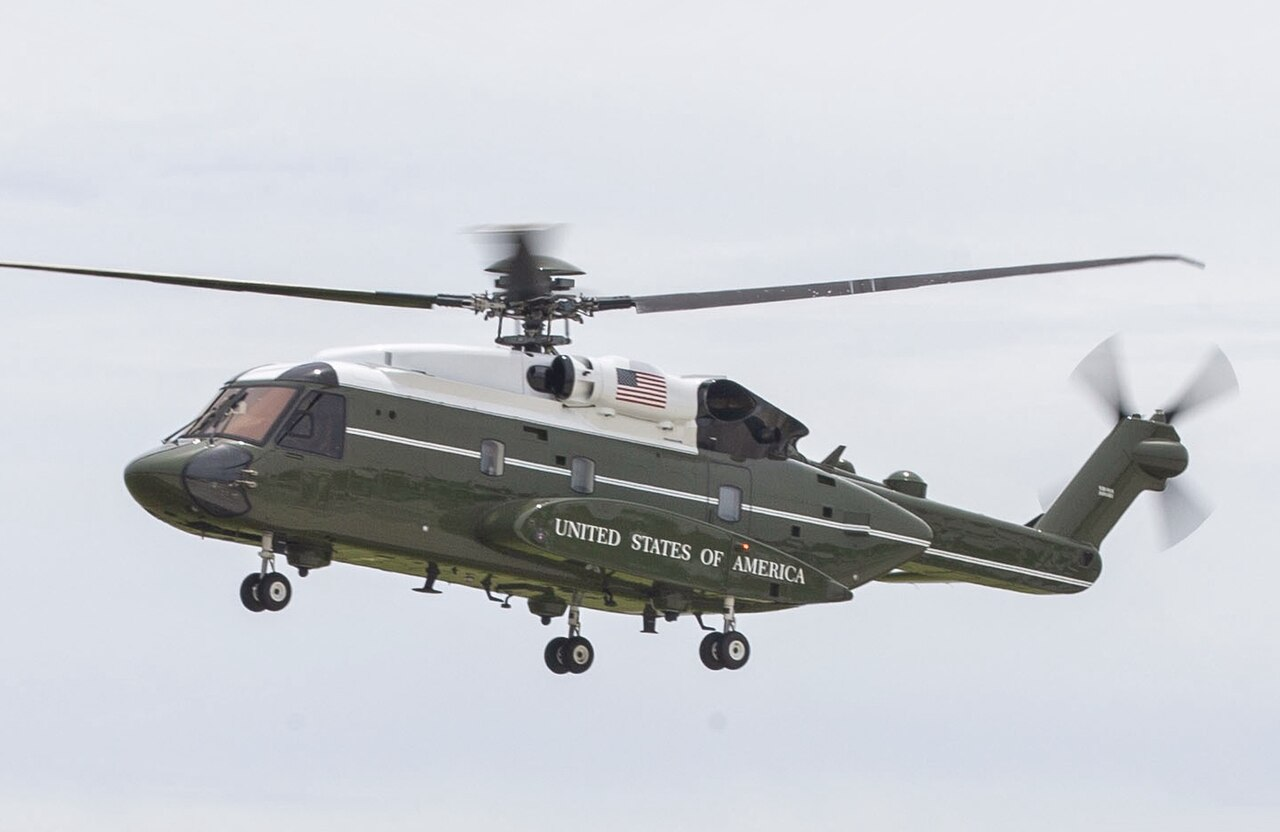
The Operational Command of the Polish Armed Forces linked the readiness increase directly to Russian unmanned aircraft conducting strikes across the border. It said a military helicopter was operating in Polish airspace, performing tasks related to “monitoring the situation and ensuring safety.” Subordinate forces and assets remained prepared for an immediate response.
That distinction matters. Heightened readiness does not establish that a drone crossed the border, nor does putting an aircraft in the air mean an interception occurred. In this case, the military characterized the helicopter mission as a precaution intended to protect Polish airspace, particularly near areas adjacent to the strikes.
Warnings extended the response beyond military units
Poland’s Government Security Center sent alerts to residents of the Lublin and Podkarpackie provinces. The message said that Russia was conducting an air attack in Ukraine, that authorities were monitoring the situation and that residents should follow official communications.
The alert also referred to a police aviation unit operating in Polish airspace, while the Operational Command separately described a military helicopter. The available statements do not establish whether those references concerned the same aircraft, two aircraft or different agency descriptions of the operation. Clarifying the operator and aircraft involved is therefore one of the unresolved details.
Even without a confirmed border crossing, the public warning added another layer to the response. Radar and other surveillance systems provide the military picture; an airborne platform adds direct monitoring and operational flexibility; civilian alerts give authorities a way to reach people in areas that could be affected by a rapidly changing situation. These layers can be activated independently rather than waiting for a confirmed incursion.
Poland had recently used a heavier readiness posture
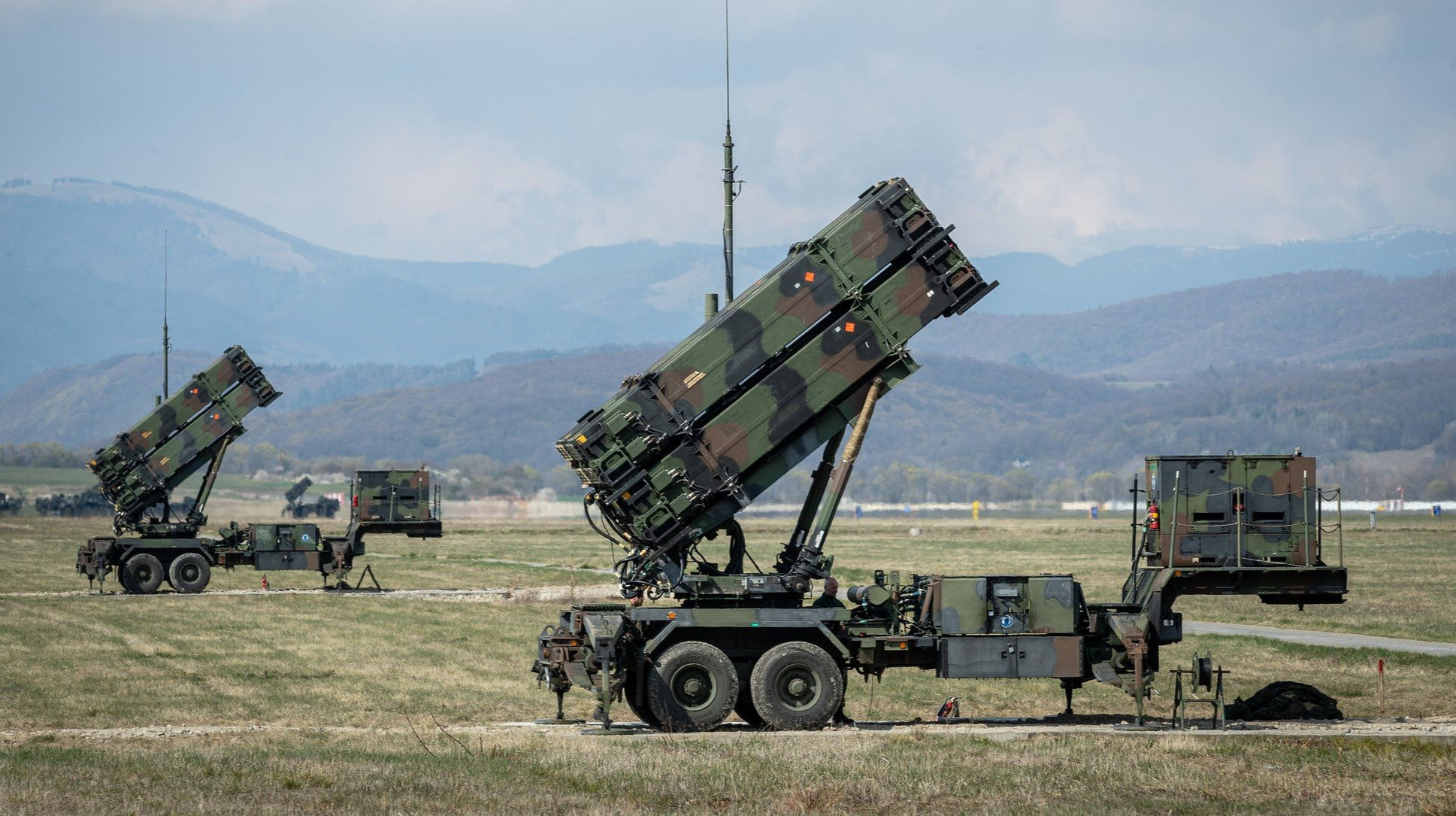
The helicopter operation followed another Polish response two days earlier. On September 10, Poland deployed fighter aircraft during Russian drone strikes on western Ukraine, described as its second fighter deployment in three days. Ground-based air-defense and radar-reconnaissance systems were also placed at heightened readiness during that earlier operation.
The difference between the responses illustrates that airspace protection is not a single on-or-off action. Authorities can adjust the mix of airborne monitoring, fighter coverage, ground-based defense and public warnings according to their assessment of proximity and potential risk. The statements do not disclose the decision thresholds for choosing helicopters rather than fighters, or for sending alerts to particular provinces.
Nor should the latest helicopter flight be read as proof that an unmanned aircraft was detected over Poland. Monitoring flights can be launched to improve situational awareness while an attack remains on the other side of a border. Readiness gives commanders the ability to respond if conditions change; it is not confirmation that they had to do so.
Poland’s operation ultimately closed with its airspace reported intact. The notable result was the speed and breadth of the precautionary response: military readiness changed, aviation began monitoring and residents received warnings while the drone strikes remained in Ukraine. What remains undisclosed is the operational threshold that turns one cross-border attack into helicopter surveillance and another into fighter patrols, ground-system activation or broader public alerts.
| More aerospace and engineering stories, right in your MSN feed. Follow AMI on MSN |
By Stephen Wallace — Editor for AMI’s aerospace integration and unmanned mobility coverage, focused on drone manufacturing, VTOL systems, autonomous networks, and air-ground mobility links.