Air Force Activates Ellsworth Unit for B-21’s Planned 2027 Arrival
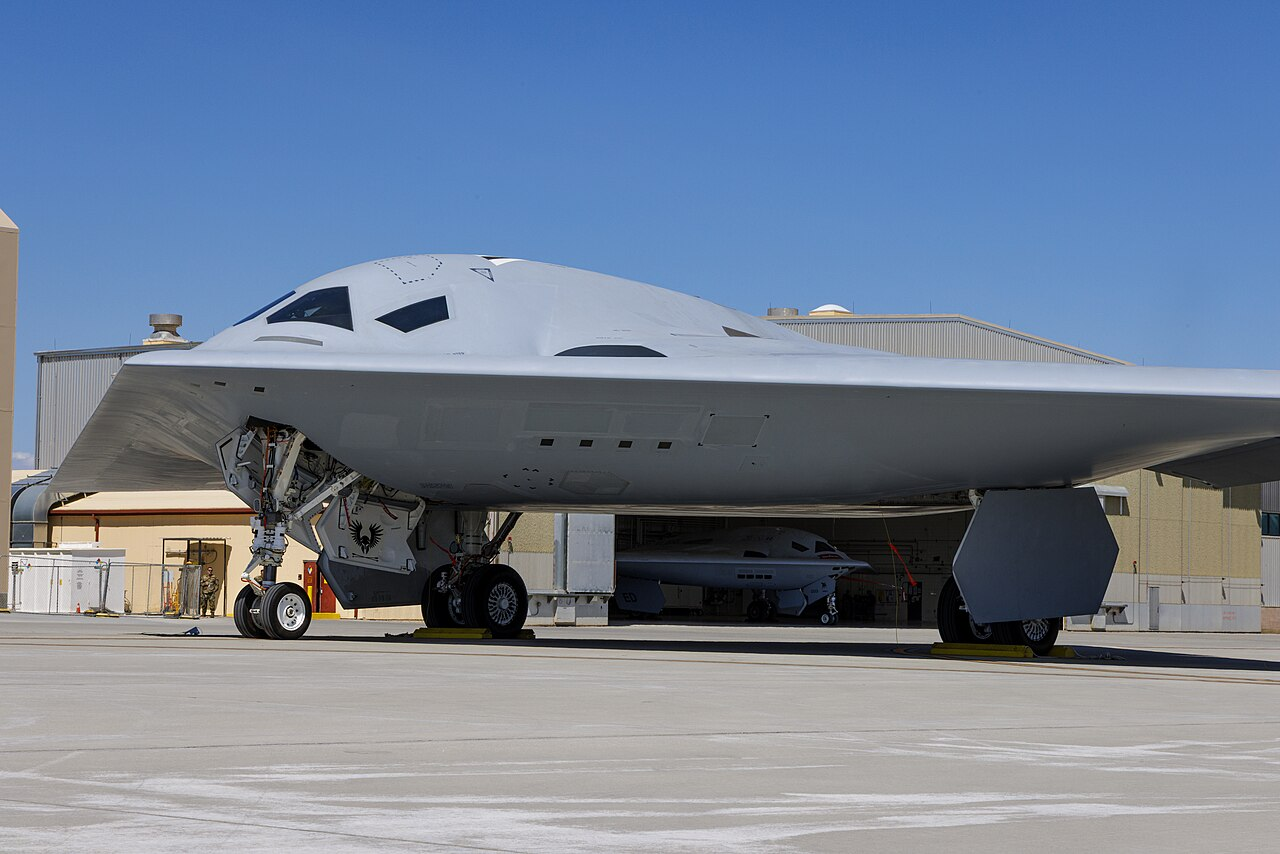
The Air Force activated B-21 Integration Detachment 1 at Ellsworth Air Force Base in South Dakota on Sept. 9, 2026, establishing a commander-led unit responsible for preparing the Raider’s first main operating base. According to the Air Force’s activation announcement, the detachment will centralize work spanning construction, communications, training, logistics, accreditation and mission-system integration.

Air Force Global Strike Command still says the B-21 is on track for delivery to Ellsworth in 2027. The new organization is a base-preparation and integration milestone, however not evidence that an operational Raider has arrived at Ellsworth or that the aircraft and its supporting systems have completed certification.
That distinction matters because fielding a new bomber involves considerably more than delivering an airframe. Facilities, secure communications, maintenance support, trained personnel, logistics channels and mission systems must function together before a unit can generate sustainable operations. The detachment gives one commander responsibility for tracking those dependencies across organizations rather than leaving the 28th Bomb Wing to coordinate the entire transition while it continues operating the B-1 Lancer.
A parallel approach to base preparation
The Air Force is preparing facilities, communications and personnel in parallel rather than treating them as a strictly sequential checklist. That approach can reduce the lag between aircraft delivery and useful operations, but it also increases the importance of identifying conflicts early. A construction delay, incomplete training pipeline or unresolved system-accreditation requirement can affect other parts of the beddown even if the aircraft itself remains on schedule.
Integration Detachment 1 does not replace Ellsworth’s civil engineers or technical organizations. Its purpose is to connect those groups, identify cross-organizational risks, clarify which tasks depend on others and align priorities around the planned arrival. Lt. Col. Joshua Dawkins assumed command as the detachment’s first leader during the activation ceremony.
The organizational change also creates a clearer line of accountability. Large aircraft programs often publish visible milestones such as first flight, delivery and production rate, while the base-level work needed to support them receives less attention. A dedicated integration unit makes that less visible work a defined command responsibility before the first aircraft reaches its operating base.
Ellsworth faces an additional constraint: it must sustain its existing B-1 mission while preparing for the B-21. Maj. Gen. Ty Neuman, commander of Eighth Air Force, said the detachment takes some integration responsibility from the 28th Bomb Wing so the wing can remain focused on operating the legacy bomber. That separation is intended to prevent the incoming program’s thousands of preparation tasks from overwhelming the organization still responsible for current operations.
Delivery is not the same as full readiness
The Air Force describes the beddown as a deliberate process in which construction, nuclear preparation and mission-system integration must be validated and certified. The activation therefore supports the 2027 delivery target without proving when Ellsworth will reach any later level of operational capability. No new certification date or declaration of operational readiness accompanied the announcement.
The B-21 has a more concrete public testing record than the Air Force’s other emerging crewed stealth aircraft. The Raider first flew in November 2023, and a second aircraft joined flight testing at Edwards Air Force Base in September 2025. Northrop Grumman is also building toward a stated production rate of seven operational bombers annually, supporting an eventual Air Force objective of up to 100 aircraft.
By contrast, Boeing’s F-47 fighter has not flown. Its first flight remains targeted for 2028, despite Air Force acquisition officials describing that program’s planning as unusually mature and saying both aircraft efforts are progressing faster than planned. The milestones are not equivalent: the B-21 is producing flight-test evidence and now has a dedicated unit preparing its first operating base, while the F-47’s next major public marker is still a future first flight.
Ellsworth’s work is also intended to inform later B-21 beddowns at Whiteman and Dyess Air Force Bases. Neuman said the objective is for Ellsworth to pay the learning cost once, allowing subsequent bases to apply the resulting playbook. The next decisive public milestone remains the one the detachment was created to support: delivery of the first B-21 to Ellsworth in 2027.
| More aerospace and engineering stories, right in your MSN feed. Follow AMI on MSN |
By David Whitaker — Associate editor for AMI’s aerospace and drone systems desk, translating flight systems, aircraft programs, spaceflight, and UAV developments into accessible technical stories.