


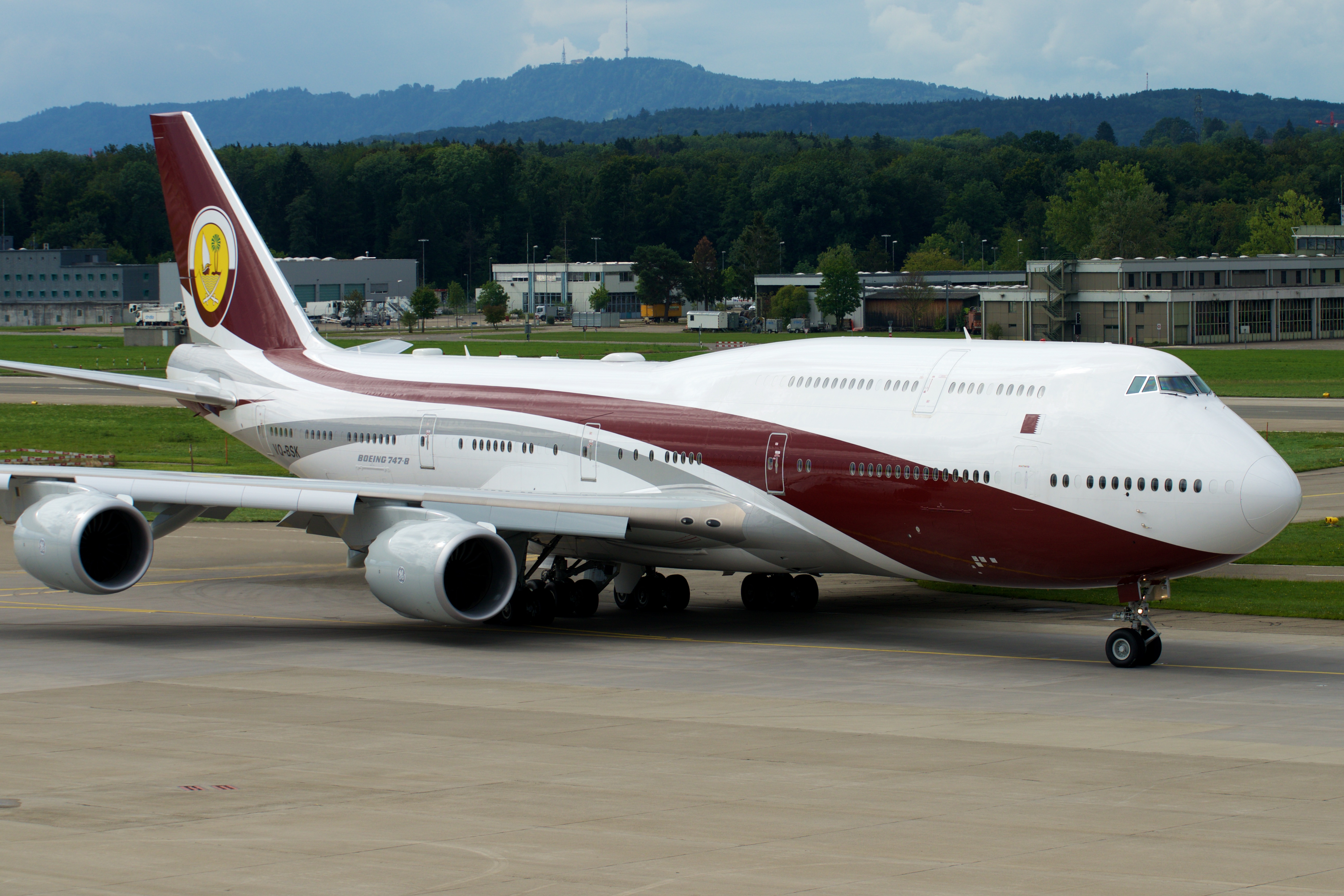
Qatar-Donated 747 Prepares Air Force as New Air Force One Nears Startup
The U.S. Air Force expects to power on the first new Air Force One in 2026, an electrical milestone scheduled ahead of its first flight in 2027 and planned delivery in 2028. Boeing is completing electrical and structural work on the first of two highly modified 747-8 aircraft, known by the military designation VC-25B.

Meanwhile, the serving as a bridge aircraft is giving the Air Force practical experience with the platform before the permanent jets arrive. Gen. Dale White, the program manager overseeing major Air Force programs, said the service is learning how the 747-8 differs in flying, maintenance, sustainment and training work that can reduce operational uncertainty during the eventual fleet transition.
Power-on will test more than the wiring
Power-on is the point at which an aircraft’s installed electrical architecture begins functioning as an integrated system rather than a collection of components. It allows engineers to check power distribution, connected equipment and system behavior before moving deeper into ground testing and, ultimately, flight.
The milestone is particularly consequential on a presidential aircraft. A standard 747-8 airframe must be transformed into a specialized executive-transport platform, requiring extensive structural work and a design that supports presidential communications, mission equipment and other government requirements. Details of its protective systems appropriately remain limited.
According to the latest program update, Boeing has been hiring electricians as it works toward power-on. Structural work has also advanced, including repairs to stringer cracks on the airframes. Stringers are longitudinal structural members that help stiffen an aircraft’s fuselage skin.
Power-on will not mean the aircraft is ready to fly or that its delivery date is assured. It instead opens another demanding stage of integration and verification. The first flight planned for 2027 would then provide the next major measure of whether ground work, aircraft systems and the modified airframe are progressing toward the 2028 delivery objective.
The bridge jet provides an operational head start
The donated aircraft’s immediate value to the program is not that it duplicates every system aboard the future VC-25B fleet. Rather, it exposes crews and support organizations to the underlying 747-8 platform, which differs from the older 747-based aircraft now used for presidential transport.
That distinction matters across an aircraft’s service life. Flight crews need platform-specific training, while maintainers must understand its inspection routines, parts demands and servicing requirements. Sustainment planners must also prepare tooling, personnel and supply support. Those tasks can become schedule constraints even after an aircraft itself is technically ready.
The bridge aircraft therefore functions as an operational learning platform. Experience gained now can inform training plans and maintenance processes before the permanent VC-25Bs enter service. It does not eliminate certification, mission-system testing or acceptance work on the new aircraft, but it gives the Air Force a running start on the common 747-8 operating environment.
Certification remains a schedule boundary
The program is also working through certification questions involving spare windshields and passenger windows, an issue described as affecting the broader aircraft fleet rather than only the two presidential jets. White said he had been briefed on the matter and believed a solution was developing, but that assessment is not the same as completed certification.
This illustrates why a first flight and a delivery date measure different kinds of progress. Flight demonstrates that an aircraft can enter its airborne test phase; delivery requires the government to accept a completed platform that meets its specified requirements. Design closure, replacement-part certification and testing can all influence that path.
The Qatar-supplied aircraft adds a separate public-cost question. Donated to the Defense Department in May 2025 and described as worth $400 million before government-funded upgrades, it still has no confirmed long-term destination. Officials have said it could remain in federal service, while a possible future transfer to a presidential library remains undecided. The conversion’s documented total cost has not been provided here, and experts have cautioned that the bridge jet may not carry the complete defensive suite of the established presidential fleet.
For now, its most concrete program role is already visible: it is allowing the Air Force to build 747-8 operating knowledge while Boeing works toward electrical startup in 2026. The harder test comes next turning that powered aircraft into a flying test platform in 2027 without losing the planned 2028 delivery target.
| More aerospace and engineering stories, right in your MSN feed. Follow AMI on MSN |
By David Whitaker — Associate editor for AMI’s aerospace and drone systems desk, translating flight systems, aircraft programs, spaceflight, and UAV developments into accessible technical stories.


