Alabuga Reportedly Builds 42,000 Square Metres Underground for Drone Production
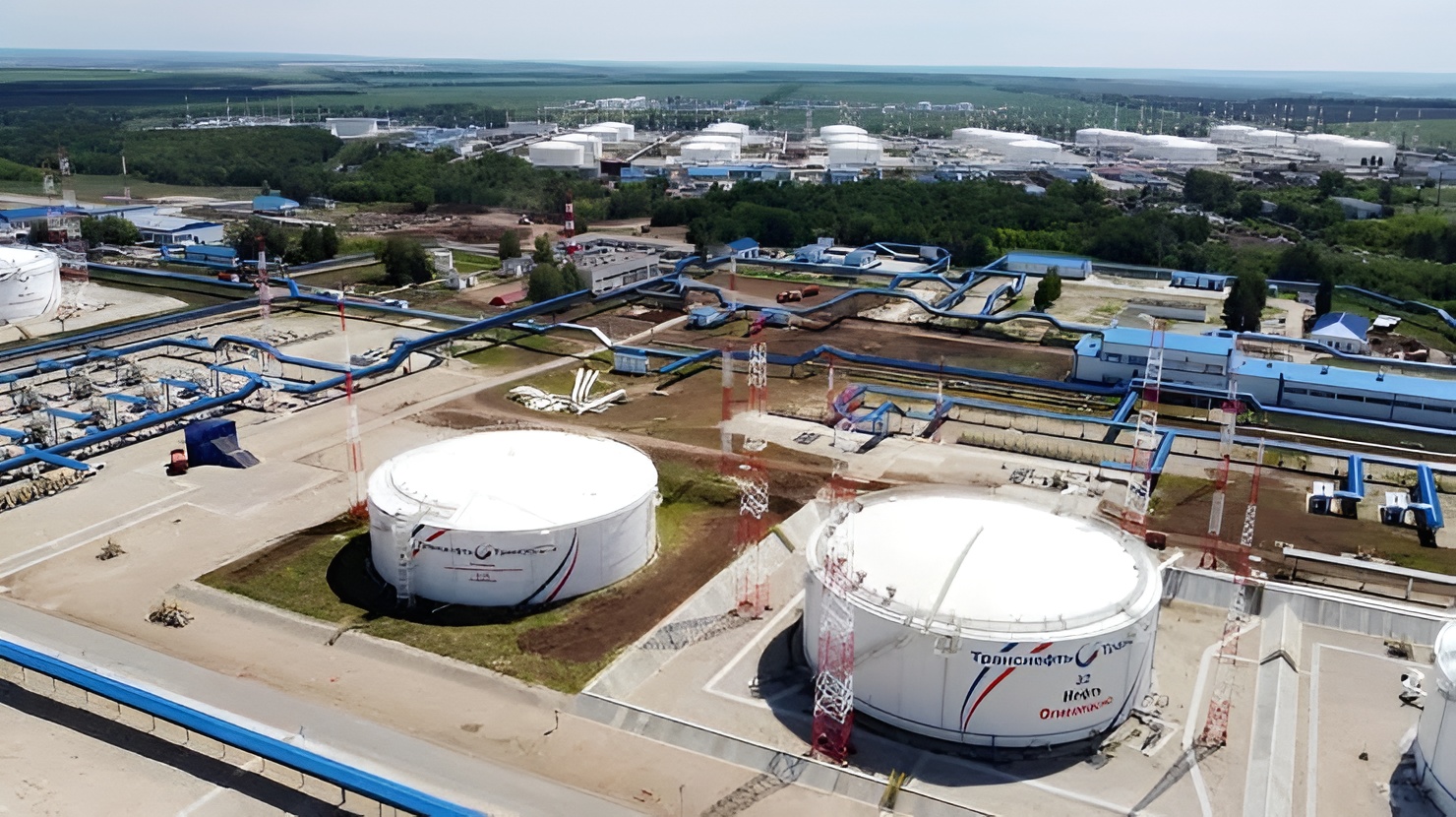
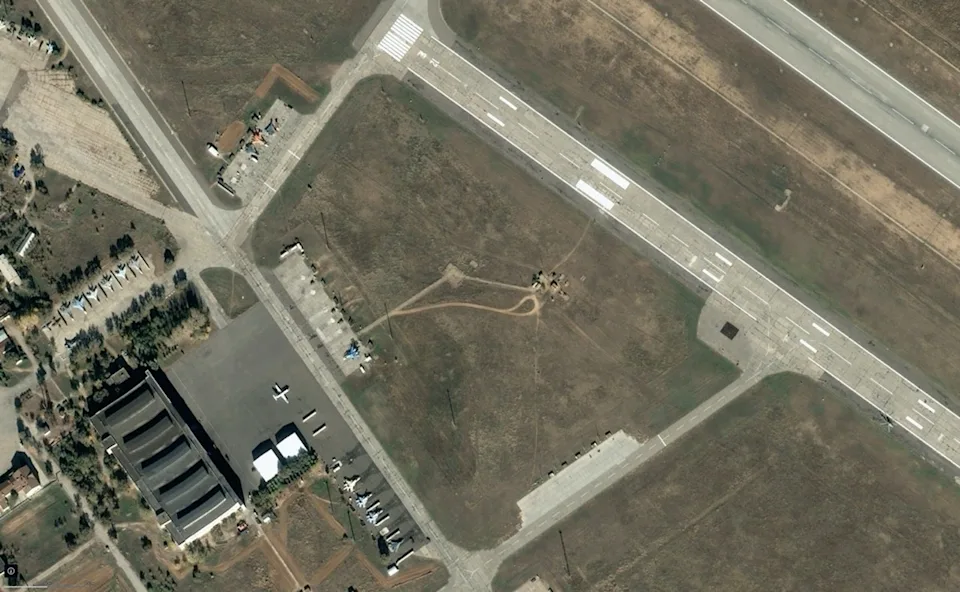
About 42,000 square metres of underground space has reportedly been built at Russia’s Alabuga complex for future Shahed/Geran drone production. The estimate comes from Dnipro Osint, a geospatial and satellite-intelligence analyst, and is not an official Russian figure. Construction is described as continuing, but there is no confirmation that manufacturing has begun inside the underground areas.

The scale matters because Alabuga is already associated with the assembly of Shahed-derived drones. Moving part of that manufacturing network underground could preserve production after damage to exposed facilities and raise the cost of disrupting the broader industrial system. The analyst assesses that the shift followed the first Ukrainian strikes on Alabuga and says Russian authorities are trying to accelerate construction, although neither the project’s origin nor its schedule has been independently confirmed.
Underground space is not the same as production capacity
A floor-area estimate provides a useful measure of construction, but it does not establish how many drones the space could produce. Manufacturing output depends on what has been installed and commissioned: machinery, electrical distribution, ventilation, material-handling equipment, quality-control stations and trained labor. None of those elements has been documented for the reported underground sections.
That distinction is important. Excavated or completed space can support future expansion without being ready for serial production. Transferring an existing line underground also imposes costs and delays because equipment must be moved or duplicated, utilities must be established and production processes must be qualified in the new environment. Physical protection purchases continuity, but it does not eliminate the industrial work needed to turn protected floor area into reliable output.
Once operating, however, underground manufacturing can separate production continuity from the vulnerability of individual surface buildings. The reported approach also extends beyond hardening one site. Dnipro Osint assesses that infrastructure around the Geran program is being dispersed and fortified, creating a network in which production, materials and supporting functions are less concentrated.
From a manufacturing perspective, dispersion changes the disruption problem. A single large plant can benefit from short internal logistics routes, centralized quality control and shared equipment, but concentration creates a common point of interruption. A dispersed network trades some of that efficiency for redundancy. More locations and protected spaces can keep portions of the system functioning when another portion is unavailable, although they also require more coordination, duplicated infrastructure and transport between sites.
Alabuga is part of a wider industrial expansion
The underground project is not the only reported effort to strengthen the supply side of Russian drone manufacturing. Documents reviewed by U.S. and Ukrainian officials describe a separate plan to expand carbon-fiber production at Alabuga-Volokno to as much as 500 tonnes annually, with completion targeted for 2027, according to POLITICO’s account of the project. Carbon fiber is an upstream material rather than a finished drone, but local capacity could reduce dependence on externally supplied structural material.
That combination protected production space, dispersed infrastructure and expanded material supply suggests an effort to build resilience at several layers rather than merely shelter a final assembly line. It also means that measuring the network solely by completed drones can miss investments intended to sustain future throughput.
Labor is another uncertain part of the picture. An earlier Multilateral Sanctions Monitoring Team report said as many as 25,000 North Korean citizens may be working in Russia’s drone industry, particularly around Alabuga. It said the labor arrangement supplies Russia’s unmanned-aircraft manufacturing while generating foreign-currency revenue for North Korea. The figure does not establish how many workers are currently at Alabuga, and there is no confirmed connection between those workers and the underground construction.
The reported 42,000-square-metre expansion therefore should not be treated as 42,000 square metres of operating factory capacity. Its immediate significance is more basic: Alabuga may be adding a large protected envelope in which future production can be installed. If that space becomes operational alongside dispersed support infrastructure and expanded material capacity, disrupting the Geran manufacturing system would become a network-wide industrial challenge rather than a problem confined to one exposed factory.
| More aerospace and engineering stories, right in your MSN feed. Follow AMI on MSN |
By Stephen Wallace — Editor for AMI’s aerospace integration and unmanned mobility coverage, focused on drone manufacturing, VTOL systems, autonomous networks, and air-ground mobility links.