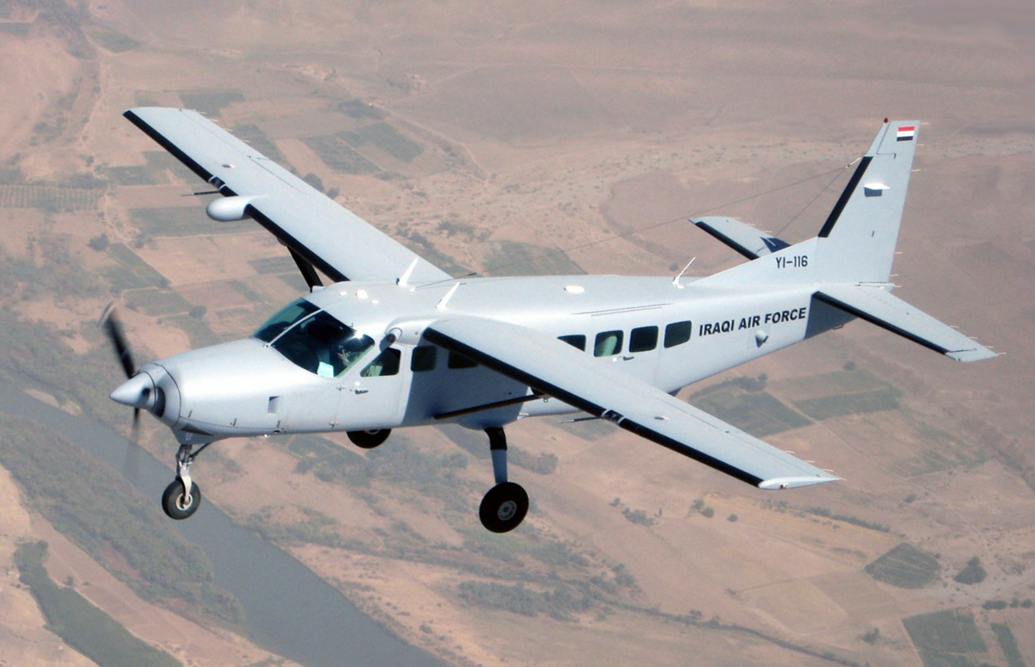
Joby Says Caravan Flew 3,199 Miles Without Intervention, Pilot Aboard
A Cessna Caravan crossed the United States under autonomous control, yet a safety pilot still occupied its cockpit. Joby Aviation announced on September 18 that the converted aircraft traveled 3,199 miles without any control inputs from that onboard pilot, who remained aboard to satisfy regulatory requirements.

Joby says its system controlled taxiing, takeoffs, route navigation and landings not merely the cruise segment between airports. Remote teams supervised the aircraft from the company’s autonomy headquarters in California and Shaw Air Force Base in South Carolina, at distances of up to 2,323 miles. The combination illustrates the central divide in autonomous aviation: software can demonstrate end-to-end control before regulators permit operations without an onboard human safeguard.
More than an automated cruise
Automating several flight phases matters because each one presents a different control and integration problem. Taxiing requires the aircraft to move through an active ground environment. Takeoff and landing demand precise control during low-altitude, rapidly changing conditions. Cross-country navigation adds weather, routing and airspace coordination over a much longer period.
The eastbound trip began at Buchanan Field Airport in Concord, California, and ended at Dare County Regional Airport in North Carolina’s Outer Banks. Stops included Phoenix, Fort Worth and Shaw Air Force Base. Joby reports that the Caravan operated at busy Phoenix Deer Valley Airport and changed its route around severe weather and thunderstorms during the journey.
Those claims indicate a broader demonstration than a scripted flight between two lightly used airports. They do not, however, establish that the aircraft was operating without human oversight. Joby describes the system as supervised autonomy: a ground-based remote pilot serves as pilot in command, updates flight plans and handles air traffic control communications through the aircraft’s standard radios. The onboard pilot provided an additional regulatory safeguard but, according to Joby, never manipulated the controls during the 3,199-mile trip.
A retrofit route to autonomous aviation
The test aircraft is a converted version of an established utility airplane rather than a clean-sheet autonomous design. Joby is developing the control system as a retrofit kit for conventional aircraft, with commercial freight, medical transport, disaster response and defense logistics among the applications it identifies.
Using an existing airframe can narrow part of the development problem because the underlying airplane already has an established design and operational history. It does not automatically approve the added autonomy system or eliminate the need to demonstrate how that system behaves across normal operations and changing environments. Airworthiness of the base aircraft, approval of the modified configuration and authorization for a particular autonomous operating model remain distinct questions.
Joby says the technology has accumulated more than 400 flights and 800 automated flight hours in controlled and uncontrolled airspace. The autonomy stack originated with Xwing, which Joby acquired in 2024. A $17 million U.S. Air Force contract through AFWERX supports development, while Joby expects its first commercial product in this field to be a regional aircraft equipped with the system.
The company calls the journey the first autonomous flight across the United States to include autonomous taxiing, takeoff, navigation and landing. That historical distinction is Joby’s claim and has not been independently established here. The narrower result is still substantial: one aircraft reportedly joined those phases across a multi-stop transcontinental route without cockpit control input.
The Caravan is scheduled to head back west with planned stops including Raleigh, the Washington area, Louisville, Wichita, Oklahoma City, Salt Lake City and Portland. That return journey can add operating experience, but the completed eastbound leg already defines the next challenge clearly. Joby has shown what it says the software can control under supervision; removing the legally required person from the cockpit will require a separate operational and regulatory milestone.
| More aerospace and engineering stories, right in your MSN feed. Follow AMI on MSN |
By Stephen Wallace — Editor for AMI’s aerospace integration and unmanned mobility coverage, focused on drone manufacturing, VTOL systems, autonomous networks, and air-ground mobility links.