Saudi Aramco Reportedly Cuts October Crude to Zero for Some European Refiners
Saudi crude is reportedly continuing toward customers in Asia, but at least two European refiners with long-term supply contracts were told they would receive zero allocations for October. The reported cancellations followed the shutdown of Saudi Aramco’s East-West pipeline and the suspension of tanker loadings at Yanbu, its Red Sea outlet.

The notices do not establish that every European customer lost its October allocation. Saudi Aramco had not publicly confirmed the full scope of the cutoff as of September 19. Still, the accounts from affected buyers expose a sharp logistics constraint: Saudi Arabia can reportedly restore some exports from its Persian Gulf terminals while the disabled cross-country pipeline leaves the more direct Europe-facing route unavailable.
A bypass became the bottleneck
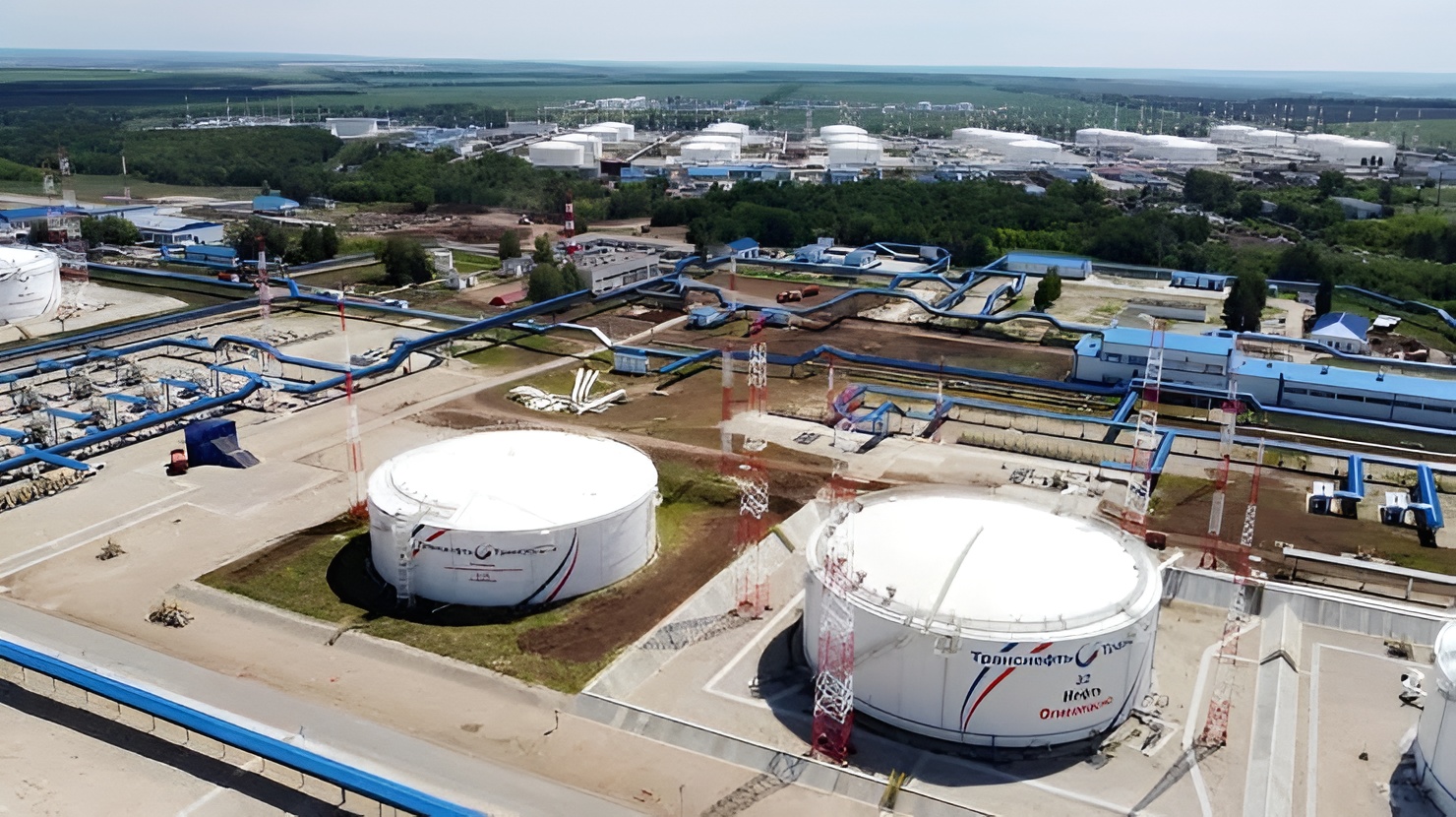
The East-West pipeline, also called Petroline, moves crude from Saudi Arabia’s eastern production region to Yanbu. It was designed to provide an alternative to shipping through the Strait of Hormuz, but reported drone damage to three pumping stations led Saudi Arabia to shut the system as a precaution.
The pipeline can carry as much as 7 million barrels per day. Estimated flows before the outage were about 4 million barrels per day, making it far more than a backup line operating at the margins. When pumping stopped, the interruption also constrained Yanbu: stored crude can support loadings only temporarily if the pipeline is not replenishing the terminal.
This is a system-level failure of route availability rather than a simple shortage of crude at the production end. Oil in eastern Saudi Arabia is not automatically useful to a European refinery if it cannot reach the appropriate loading point, tanker and delivery route on schedule. Restoring production and restoring export access are separate problems.
Asian exports have a different path
Aramco reportedly sold about 60 million barrels for September and October loading at Ras Tanura to customers in China, India, Japan and South Korea. Those arrangements could restore roughly 1 million to 1.5 million barrels per day of Gulf exports.
That option does not directly replace the suspended Yanbu flow for European buyers. Geography, terminal access and shipping conditions shape which customers can practically receive the available barrels. The result is an uneven disruption: some Saudi crude can keep moving toward Asia while refiners that expected October cargoes through the western route must search elsewhere.
Replacement oil is not interchangeable
European refiners can seek crude from the North Sea, West Africa, the United States, other Middle Eastern suppliers or Mediterranean markets. Poland’s Orlen was reported to have purchased North Sea grades after Saudi cancellations. Availability, however, is only one part of the substitution problem.
Crude grades differ in density, sulfur content and the products they yield in a particular refinery. A plant configured around Saudi medium or heavy sour crude may be able to process a lighter replacement, but the change can alter operating requirements and the resulting proportions of diesel, gasoline, jet fuel and marine fuel. The substitute cargo may also cost more or arrive later.
Those differences do not guarantee a specific increase at the fuel pump. They do mean refiners may face higher feedstock and transportation costs while adjusting their crude slates. With Brent crude reported above $100 per barrel after retreating from levels near $110, the replacement search is occurring in an already expensive market.
The restart date remains uncertain
Repair timing is now the critical variable for November supply. Saudi officials reportedly indicated that partial pipeline operations could resume within days and that full restoration might take as long as six weeks. Separately, regional officials cited by The Associated Press estimated that repairs could require three to five weeks, with some partial operation possible during the work.
None of those estimates amounts to a definitive public timetable. A partial restart would also leave open two practical questions: how much pumping capacity returns and whether Yanbu loadings resume at a level sufficient to rebuild the Europe-bound schedule.
Until those milestones are reached, the East-West pipeline’s advertised capacity offers little reassurance to customers missing physical cargoes. Its next meaningful measure will not be the 7-million-barrel daily design figure, but how many barrels can again cross Saudi Arabia and reach waiting tankers at Yanbu.
| More aerospace and engineering stories, right in your MSN feed. Follow AMI on MSN |
By Stephen Wallace — Editor for AMI’s aerospace integration and unmanned mobility coverage, focused on drone manufacturing, VTOL systems, autonomous networks, and air-ground mobility links.