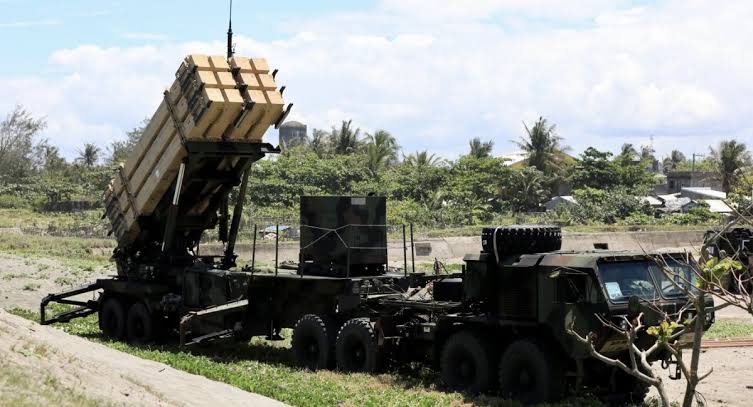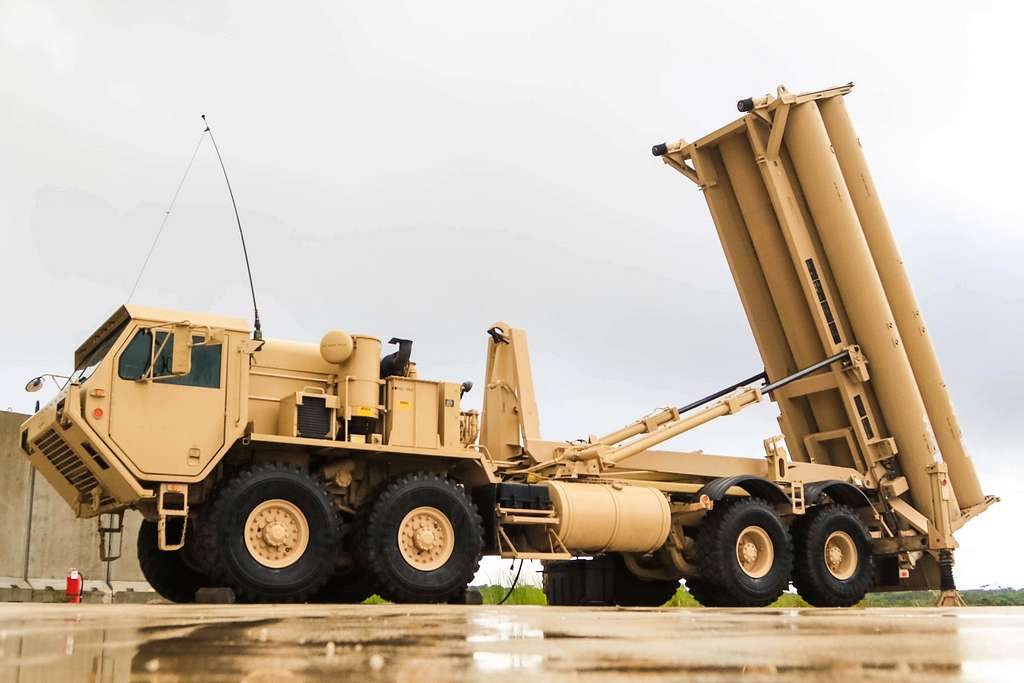
Pentagon Seeks 4,060 Patriot and THAAD Interceptors Despite Long Lead Times
The Pentagon’s fiscal 2027 budget request seeks 3,203 Patriot PAC-3 Missile Segment Enhancement interceptors and 857 Terminal High Altitude Area Defense interceptors a combined 4,060 units. That is up from 341 PAC-3 MSE and 37 THAAD interceptors in fiscal 2026. These figures are requested quantities, however, not funded orders or delivered missiles.

Manufacturing lead times for complex munitions in this class can run 25 to 51 months, according to a Center for Strategic and International Studies analysis. Supplier framework agreements may help compress that span, but they do not by themselves ensure the requested surge. Congress must provide appropriations, manufacturers must commit capital to facilities and equipment, and the Pentagon and industry still need executable follow-on contracts.
That distinction is central to evaluating the request. A budget can state the number of interceptors the military wants to buy; it cannot instantly create qualified production lines, trained workers, test capacity or a synchronized supplier network. The fiscal 2027 numbers therefore measure intended demand far more clearly than near-term delivery capacity.
The missing production baseline
The Pentagon has signed agreements with component suppliers, coordinated with Lockheed Martin, to support a threefold increase in PAC-3 production and a fourfold increase in THAAD production. Other seven-year frameworks also seek to provide longer demand signals to suppliers. Yet the public announcements do not disclose the current annual production baseline, the value of the relevant agreements, a timetable for reaching the higher rates or delivery milestones.
Without that baseline, even a multiple such as “threefold” or “fourfold” is difficult to translate into completed interceptors. Capacity is also not the same as output. A plant can install tooling and qualify another source, but finished-unit deliveries still depend on material flow, component acceptance, final assembly and testing across the full chain.
The scale of the requested change makes that distinction unusually important. PAC-3 MSE demand would rise from 341 to 3,203 interceptors, an increase of 839 percent. THAAD demand would climb from 37 to 857, or 2,216 percent. Those jumps are much larger than the announced threefold and fourfold production-capacity goals, although the figures cannot be compared directly without knowing the production baseline, inventory assumptions, delivery periods and how the request would be contracted.
Frameworks buy confidence, not instant output
Longer-term agreements can address a recurring industrial problem: suppliers are reluctant to hire workers, buy specialized machinery or expand buildings when demand may disappear after one annual order. The Pentagon says the frameworks provide a durable demand signal, including minimum annual procurement quantities in some arrangements. That can make investment easier to justify throughout lower tiers of the supply chain.
But the government’s own announcement says funding is subject to annual appropriations. That means the multiyear structure does not remove congressional budget risk. Industry also must decide when to spend ahead of firm orders and how much demand it can prudently assume will materialize. Lockheed Martin has said congressional action is needed to fund the full period of its long-term munitions agreements.
The technical work is broader than adding final-assembly stations. For PAC-3 MSE, the recent component arrangements include a second solid-rocket-motor supplier and expanded production of ignition safety devices. For THAAD, they cover higher output of selected structural parts. Those are useful resilience measures because a second source can reduce dependence on one production stream, but each source must still reach repeatable volume while satisfying defense quality requirements.
One recent component effort illustrates both the opportunity and the limit. GM Defense delivered an initial batch of PAC-3 MSE housing components to Lockheed Martin 22 days after the companies signed a formal contract. That demonstrates how commercial casting and machining capacity can accelerate a particular part. It does not establish the monthly rate, acceptance yield or complete-interceptor delivery schedule needed to satisfy a request measured in thousands.
The next facts that matter
The Pentagon’s industrial strategy is directionally clear: provide longer demand visibility, add suppliers and invest below the prime contractor. What remains unresolved is whether those steps can mature quickly enough to turn fiscal 2027 purchasing ambitions into deliveries within the planning window.
The decisive disclosures would be straightforward: funded quantities after congressional action, annual production baselines, capital-investment commitments, signed follow-on contracts and year-by-year delivery milestones. Until those emerge, 3,203 PAC-3 MSE and 857 THAAD interceptors remain a statement of demand confronting a manufacturing cycle that can extend across several budget years.
| More aerospace and engineering stories, right in your MSN feed. Follow AMI on MSN |
By David Whitaker — Associate editor for AMI’s aerospace and drone systems desk, translating flight systems, aircraft programs, spaceflight, and UAV developments into accessible technical stories.