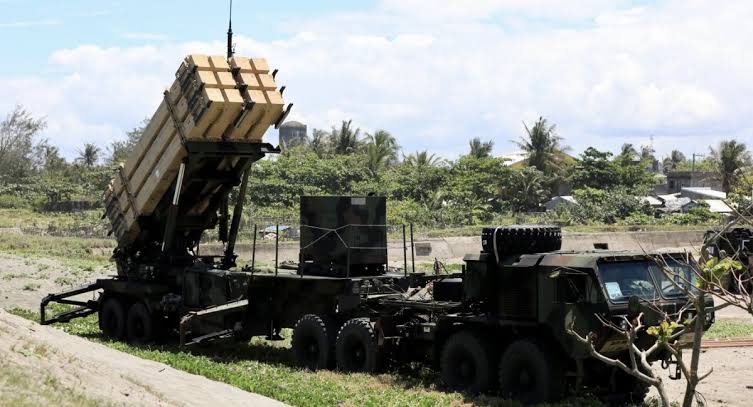
GM Defense Delivers First Patriot Parts as Pentagon Targets Triple Output
GM Defense delivered its first batch of housing components for Lockheed Martin’s Patriot Advanced Capability-3 Missile Segment Enhancement interceptor on Aug. 28, 2026 just 22 days after the companies signed their contract agreement on Aug. 6. The first component shipment is tangible progress in expanding the interceptor’s supply chain, but it is not evidence that production of completed missiles has tripled.
The materially new element is GM’s manufacturing base. Its defense subsidiary applied automotive casting and machining capabilities and precision-fabrication expertise to parts built to defense specifications. That introduces a commercial manufacturer accustomed to controlling complex, high-volume production processes into a missile supply chain historically dominated by specialized defense suppliers.
The delivery answers one early question: GM Defense can translate the agreement into physical hardware. It leaves the more consequential questions open, including how many housings the company can ship consistently, whether later batches maintain quality, how many parts clear Lockheed’s receiving process without rework and whether this added component capacity removes a meaningful constraint on completed-interceptor output.
A fast first batch is only the first production signal
A 22-day interval between contract signing and delivery is striking, but that number needs a boundary. GM and Lockheed had announced their collaboration in June, before the formal August agreement, and the value of their contract was not disclosed. The short interval therefore measures the final contract-to-delivery period, not the complete engineering, sourcing or manufacturing effort behind the first batch.
It also measures a component milestone rather than an interceptor production cycle. Lockheed still has to manage the flow of other structures, propulsion hardware and specialized subsystems before a finished PAC-3 MSE can emerge. In a production network, adding one capable supplier can improve resilience and relieve a bottleneck, but only if its output aligns with the rates, specifications and delivery timing of the rest of the line.
This is where automotive manufacturing could matter. Vehicle production depends on repeatable machining, process control, supplier coordination and rapid detection of defects before they propagate into expensive downstream rework. Those practices are transferable at a high level, but missile components carry different materials, documentation, inspection and performance requirements. Commercial scale is useful only after the process repeatedly produces acceptable defense hardware.
The next meaningful evidence will therefore be less dramatic than the first delivery date: recurring shipment volumes, consistency across batches and demonstrated acceptance without excessive rework. None of those measures has been disclosed. Without them, the first batch shows supplier activation not yet sustained production at the scale required to change interceptor availability.
Large agreements still lack a complete production clock
The Pentagon’s broader objective is substantial. Its seven-year frameworks with General Dynamics and Lockheed Martin target triple PAC-3 MSE production capacity and quadruple production capacity for the Terminal High Altitude Area Defense interceptor. The plan includes increased manufacturing of motor cases, seeker housings, midsections and shroud-deployment systems. Funding remains subject to annual appropriations.
Separately, Northrop Grumman signed two multiyear framework agreements valued at more than $3 billion in total to expand component production supporting two major U.S. missile-defense systems. Those agreements were reported Aug. 3, but the systems, covered components, allocation of the money and production timetable were not identified. The scale supplies a long-term demand signal; it does not reveal when additional completed interceptors will become available.
That distinction separates procurement intent from factory output. Multiyear commitments can give suppliers confidence to hire workers, purchase material and upgrade facilities. GM Defense’s first housing shipment is one of the clearest signs that the expansion effort has begun producing hardware. The decisive test, however, is whether that initial speed becomes a stable manufacturing cadence and whether the rest of the PAC-3 supply chain can absorb it quickly enough to move the Pentagon’s triple-output target from an agreement into finished interceptors.
| More aerospace and engineering stories, right in your MSN feed. Follow AMI on MSN |
By David Whitaker — Associate editor for AMI’s aerospace and drone systems desk, translating flight systems, aircraft programs, spaceflight, and UAV developments into accessible technical stories.