Army Plans Three More Patriot Battalions, Implying Nearly $5.4 Billion Cost
$5.376 billion is the implied procurement cost of the U.S. Army’s planned three-battalion Patriot expansion. The calculation is straightforward: a new Congressional Research Service assessment of the Patriot system estimates that one four-battery battalion equipped with the Integrated Battle Command System and Lower Tier Air and Missile Defense Sensor costs $1.792 billion to procure. Multiplying that estimate by three produces the nearly $5.4 billion figure.

That total is an analytical estimate, not a combined price stated by CRS, an approved appropriation or a complete funding plan. The Army intends to establish one additional Patriot battalion in each fiscal year from 2029 through 2031, increasing its active force from 15 battalions to 18. The Aug. 27 report does not provide an annual funding profile or specify how many additional launchers, radars and interceptors the formations would receive.
A 20% force increase is more than three organizational labels
Moving from 15 to 18 active battalions represents a 20% expansion. For Congress and taxpayers, however, the crucial distinction is between authorizing a larger force structure and supplying everything needed to make that structure functional.
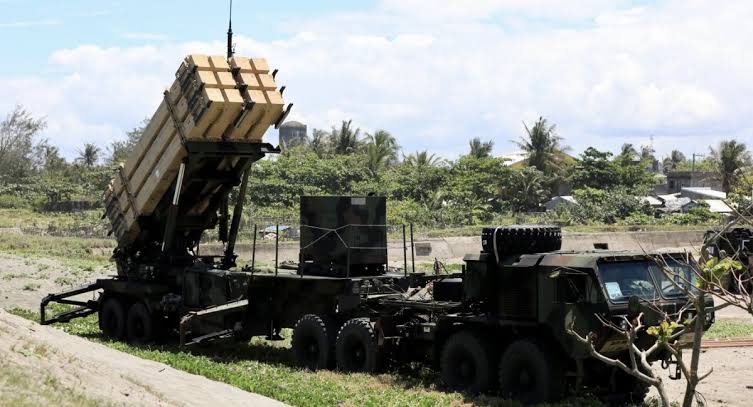
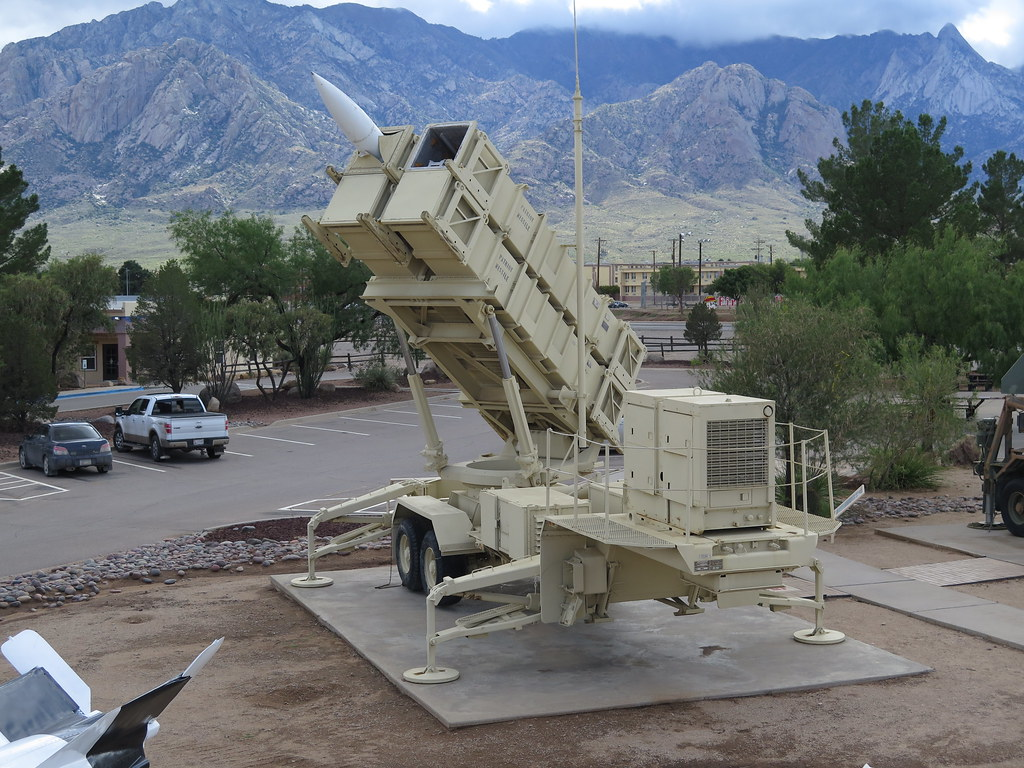
A Patriot formation is not a single launcher or radar. The mobile, ground-based system combines sensors, engagement-control equipment, launchers, interceptors, power equipment and communications. It is designed to detect, track and engage aircraft, drones, cruise missiles and short-range or tactical ballistic missiles. Patriot is primarily a point-defense system, protecting particular assets or locations, and can operate as part of a layered defense alongside systems such as the Terminal High Altitude Area Defense system.
The $1.792 billion estimate applies to a four-battery battalion fitted with two important modernization elements. The Integrated Battle Command System connects sensors and weapons through a broader command architecture, while the Lower Tier Air and Missile Defense Sensor is the newer radar component. Applying that battalion estimate equally across all three planned units is a reasonable way to expose the scale of the procurement decision, but it does not establish the Army’s eventual configuration or bill.
It also cannot be treated as a lifecycle-cost estimate. CRS supplied a procurement figure, while the expansion would additionally require trained personnel and sustained equipment support. Without equipment quantities, a fielding plan and an annual budget profile, Congress cannot yet compare the implied upfront cost with the complete resource demand.
The production question extends beyond Patriot launchers
The plan could increase demand across several linked production lines rather than at one prime contractor alone. RTX, formerly Raytheon, is Patriot’s prime contractor. Lockheed Martin produces the PAC-3 Missile Segment Enhancement interceptor. New battalions could create additional demand for command systems, sensors, launchers and missiles while manufacturers also serve international customers and partners.
That makes production timing as important as the headline cost. CRS identified supply-chain bottlenecks, shared critical materials and desired production rates as potential areas for congressional oversight. It also raised questions about equipment availability, interceptor inventories, staffing and deployments. Those are oversight questions, not findings that the Army currently lacks enough Patriot equipment or personnel.
Foreign demand adds another constraint. Patriot systems have been acquired or requested by numerous governments, and some customers are still awaiting delivery. Domestic force growth therefore would enter an industrial system already supporting U.S. requirements and international orders. The unresolved issue is not simply whether Congress can fund three battalions, but whether suppliers can deliver the necessary mix of components and interceptors on the Army’s intended schedule without creating additional pressure elsewhere in the order book.
Interceptor requirements are especially difficult to infer from battalion count alone. A Patriot launcher can carry between four and 16 interceptors depending on the missile variant. Because the report does not identify launcher quantities or the intended missile mix for the new formations, it does not support calculating a corresponding interceptor total.
Patriot has reportedly been considered as a possible element of an initial Golden Dome architecture, but formal requirements for additional units are not believed to have been submitted. That possibility should not be added to the three-battalion estimate as though it were another approved demand signal.
The Army has established the schedule and scale of its expansion: three battalions, one per year from fiscal 2029 through 2031. The next consequential step is a detailed equipment and funding profile showing whether the implied $5.376 billion is close to the eventual procurement request and what production rate will be required to field the 20% larger force.
| More aerospace and engineering stories, right in your MSN feed. Follow AMI on MSN |
By David Whitaker — Associate editor for AMI’s aerospace and drone systems desk, translating flight systems, aircraft programs, spaceflight, and UAV developments into accessible technical stories.