California High-Speed Rail CEO Quits Amid Expense Scrutiny and $772 Million Deal
California High-Speed Rail Authority CEO Ian Choudri resigned effective immediately as scrutiny intensified over consultant travel expenses, transferring control of the long-delayed public project just as its board approved a $772.1 million initial train contract. Choudri said he was leaving to focus on personal and family priorities, and the board appointed California finance director Joe Stephenshaw as his replacement.
The departure followed an inspector general’s investigation into nearly $600,000 in questionable consultant travel charges. Investigators found expenses involving first-class flights, premium rides and visits to restaurants and entertainment venues, with some travel undertaken at Choudri’s request. The board had already required in-house legal review of contracts below $25 million that previously fell within his authority. Consulting firms subsequently paid the authority nearly $1.3 million in reimbursements.
An anonymous authority official said the board had been considering further discipline, potentially including termination, but Choudri resigned before any such action was completed. Board chair Steve Kawa framed the change as part of the authority’s commitment to accountability and transparency.
A control problem larger than travel expenses
The disputed travel costs are limited beside the project’s multibillion-dollar funding needs, but the findings expose a basic control weakness: expenses were approved without consistently checking their purpose, location, timing or compliance with state rules. The authority paused travel payments to four consulting firms and began revising approval procedures, training personnel and seeking repayment.
Stephenshaw consequently inherits two connected obligations. The authority must demonstrate that routine invoices receive meaningful review, while also showing that major contracts are being managed against credible costs, deliverables and schedules. Weakness in the first function undermines confidence in the second, particularly when taxpayers are being asked to support a project now estimated to cost between $126 billion and $231 billion.
A separate contract dispute reinforces that oversight burden. Records reviewed by CBS California allegedly showed that work assigned to some lower-priced KPMG labor classifications was billed using substantially more expensive classifications. KPMG said the authority knew its proposed staffing structure and that it was investigating the circumstances. The authority’s board chair requested an independent review, leaving the billing and procurement questions unresolved.
Three trains are only one part of the railway
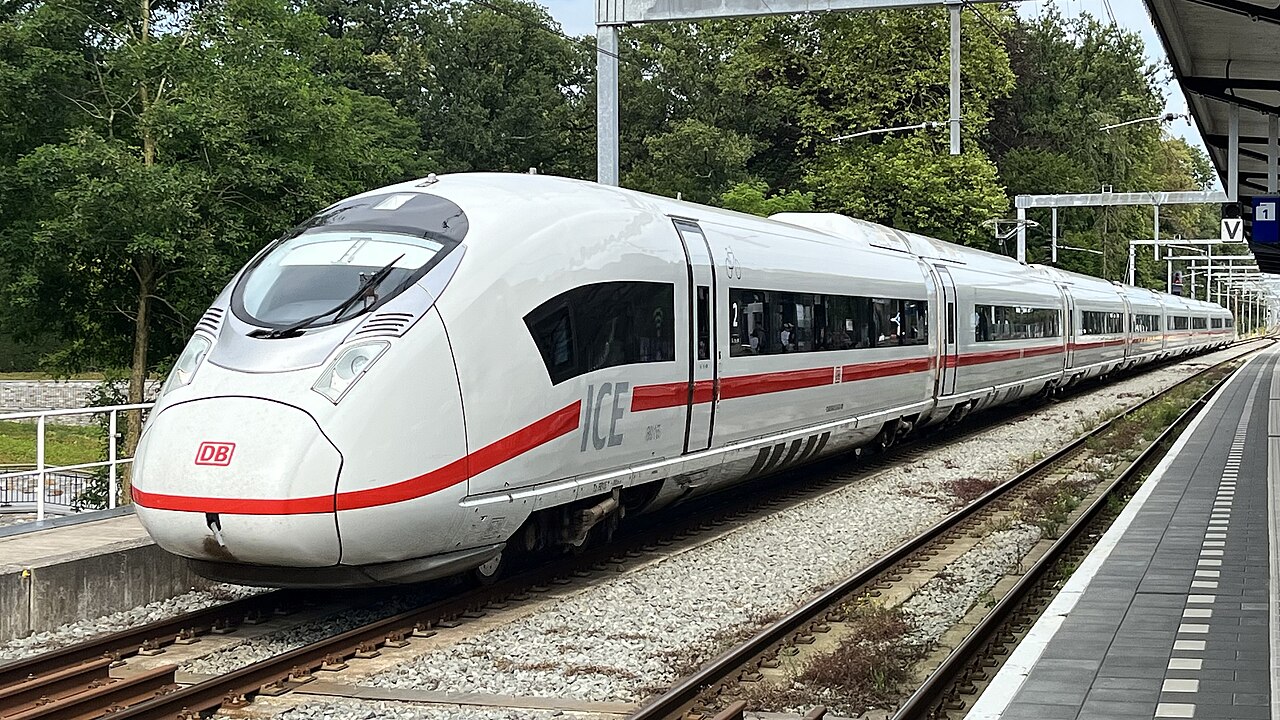
The board’s Siemens Mobility award covers the design, construction and testing of three seven-car trains by 2030. California also reserved up to $63.7 million for import duties and tariffs because the trains will be built in Germany. The $772.1 million package includes more than rolling stock: it covers spare parts, mobilization, 10 years of maintenance and provisional costs associated with testing, systems integration, price changes and currency movements.
The initial procurement was reduced from six trains to three because of funding constraints. According to the published contract breakdown and delivery plan, each seven-car train is designed for at least 450 seats and 220-mph operation, while the contract includes options for more than 19 additional trainsets. California infrastructure testing is scheduled to begin in 2030, with high-speed testing and federal acceptance planned for 2032.
That sequence illustrates the integration risk facing the new CEO. Trains can enter testing only when guideway, track, electrical power, signaling, maintenance facilities and regulatory work are sufficiently mature. A delay in any critical workstream can leave costly equipment waiting or force testing and staffing plans to be rearranged. The three-train fleet also offers limited operating depth because vehicles will be needed for testing, scheduled maintenance and eventual passenger service.
Funding determines what the procurement can deliver
The authority is building a 171-mile Merced-to-Bakersfield segment, with the inspector general expecting completion by 2034 at a cost likely exceeding $40 billion. Full buildout is projected for 2040. That is far removed from the San Francisco-to-Los Angeles railway presented to voters in 2008, when a $10 billion bond supported a project estimated at $45 billion with a 2020 opening target.
The inspector general has warned that the authority could exhaust its available cash by December 2027. It is seeking private investment after losing $4 billion in federal funding for missing train-purchase deadlines under the applicable agreement. Prospective passengers face a narrower initial service than originally envisioned, while taxpayers and Central Valley communities bear the consequences of further funding or construction delays.
Stephenshaw’s finance background gives the authority a leader experienced with state budgets, but it does not close the funding gap or synchronize the railway automatically. His immediate test is whether stronger invoice controls, contract oversight and integrated scheduling can keep the three-train procurement aligned with infrastructure and federal acceptance. The first trains are now under contract; the money and completed railway needed to use them remain the harder milestones.
| More aerospace and engineering stories, right in your MSN feed. Follow AMI on MSN |
By Thomas Caldwell — AMI’s senior editor for mechanical and mobility engineering, covering vehicle electronics, systems integration, electrification, chassis systems, propulsion, and safety policy.