GM Offers $1,999 EV Charger Hardware, but Buyers Pay Installation Costs
The charger hardware may cost an eligible buyer nothing, but getting it onto the wall will not. General Motors and Pacific Gas and Electric have launched a Smart Charge Bundle that includes selected home-charging hardware worth up to $1,999 for qualifying California customers. Installation, permits and any necessary electrical upgrades remain the customer’s responsibility.

The offer is available to eligible PG&E residential customers in Northern and Central California who buy or lease a new Chevrolet, GMC or Cadillac electric vehicle through a participating dealership. Customers can select either a GM Energy PowerUp 2 or PowerShift Charger at no additional hardware cost, depending on the vehicle transaction and charger selected.
Installation must go through GM Energy’s preferred installer network. Electrum’s standard package costs $1,499 and covers permitting plus as much as 35 feet of conduit and conductor. That figure is a starting point rather than a ceiling: trenching, a longer cable route, an electrical-panel upgrade or other site-specific work can increase the bill.
Hardware cost is only one part of home charging
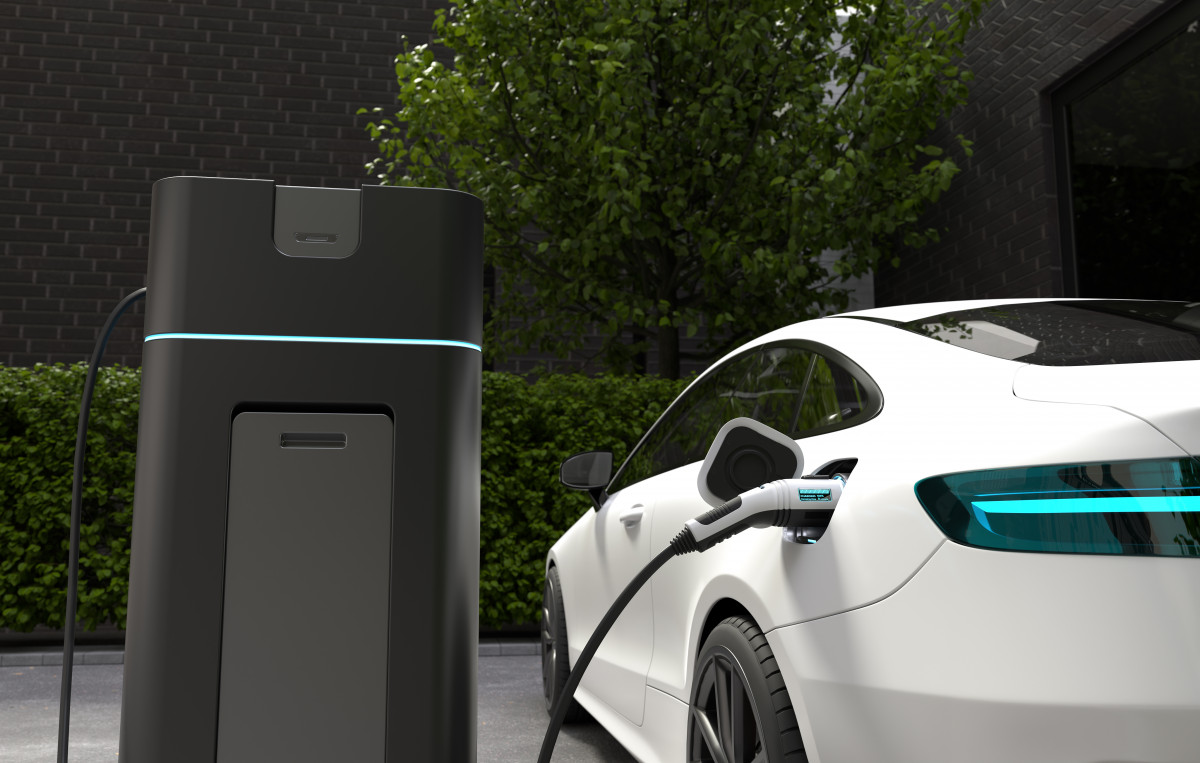
This distinction matters because a wall-mounted charger is not a self-contained appliance in the same sense as many household products. It becomes part of the home’s electrical system, and the installation has to match the available service capacity, panel configuration, parking location and local permitting requirements.
A relatively straightforward installation may remain close to the standard package. A home that needs a panel upgrade or a difficult conduit run presents a different cost profile. The bundle therefore removes up to $1,999 from the equipment side of the project, but it does not make home charging universally free.
The two included chargers also serve different technical paths. The PowerUp 2 supplies Level 2 home charging. The PowerShift Charger can support bidirectional operation, but the charger alone does not provide home backup power or vehicle-to-grid service. Those functions require a compatible GM electric vehicle, additional home equipment sold separately and an approved utility interconnection. Participation in future vehicle-to-grid programs would also depend on those programs becoming available.
Monthly credits come with managed-charging requirements
The bundle is tied to PG&E’s EV Charge Manager program. Qualifying participants can receive a $15 monthly bill credit and may save up to an additional $50 per month by shifting vehicle charging to periods when electricity demand and costs are lower.
Those additional savings are not guaranteed. The actual amount depends on utility rates, charging behavior and program terms. Connected technology from GM, PG&E and WeaveGrid coordinates the charging schedule, giving the utility some flexibility over when participating vehicles draw electricity. Drivers can override a managed session when they need to charge immediately.
From a systems perspective, that scheduling function is central to the arrangement. GM lowers the customer’s initial hardware expense, while PG&E gains a way to move a flexible electrical load away from high-demand periods. Aggregated across many vehicles, changing when charging occurs can help reduce localized grid strain without preventing an owner from overriding the schedule.
Housing type and connected services narrow eligibility
Applicants must live in a qualifying single-family or detached residence and have authority to install the equipment. That excludes many renters and residents of multifamily properties where parking, wiring and installation decisions are controlled by a landlord, homeowners association or building operator.
Participants also need an active OnStar service plan with location services enabled. New GM vehicles include eight years of OnStar service, according to GM. A customer cannot already be enrolled in another qualifying smart-charging or demand-response program, and enrollment remains subject to the applicable terms and available program capacity.
The offer is expected to continue through February 2027 or until capacity is reached. GM and PG&E previously set a goal of having as many as 52,000 electric vehicles interacting with the grid by 2030. Whether this bundle advances that goal will depend not just on the advertised hardware value, but on how many homes can accommodate installation without costly electrical work and how many drivers accept managed charging in exchange for recurring credits.
| More aerospace and engineering stories, right in your MSN feed. Follow AMI on MSN |
By Thomas Caldwell — AMI’s senior editor for mechanical and mobility engineering, covering vehicle electronics, systems integration, electrification, chassis systems, propulsion, and safety policy.