Qatar Airways Retires A330s That Supplied 7% of Passenger Capacity
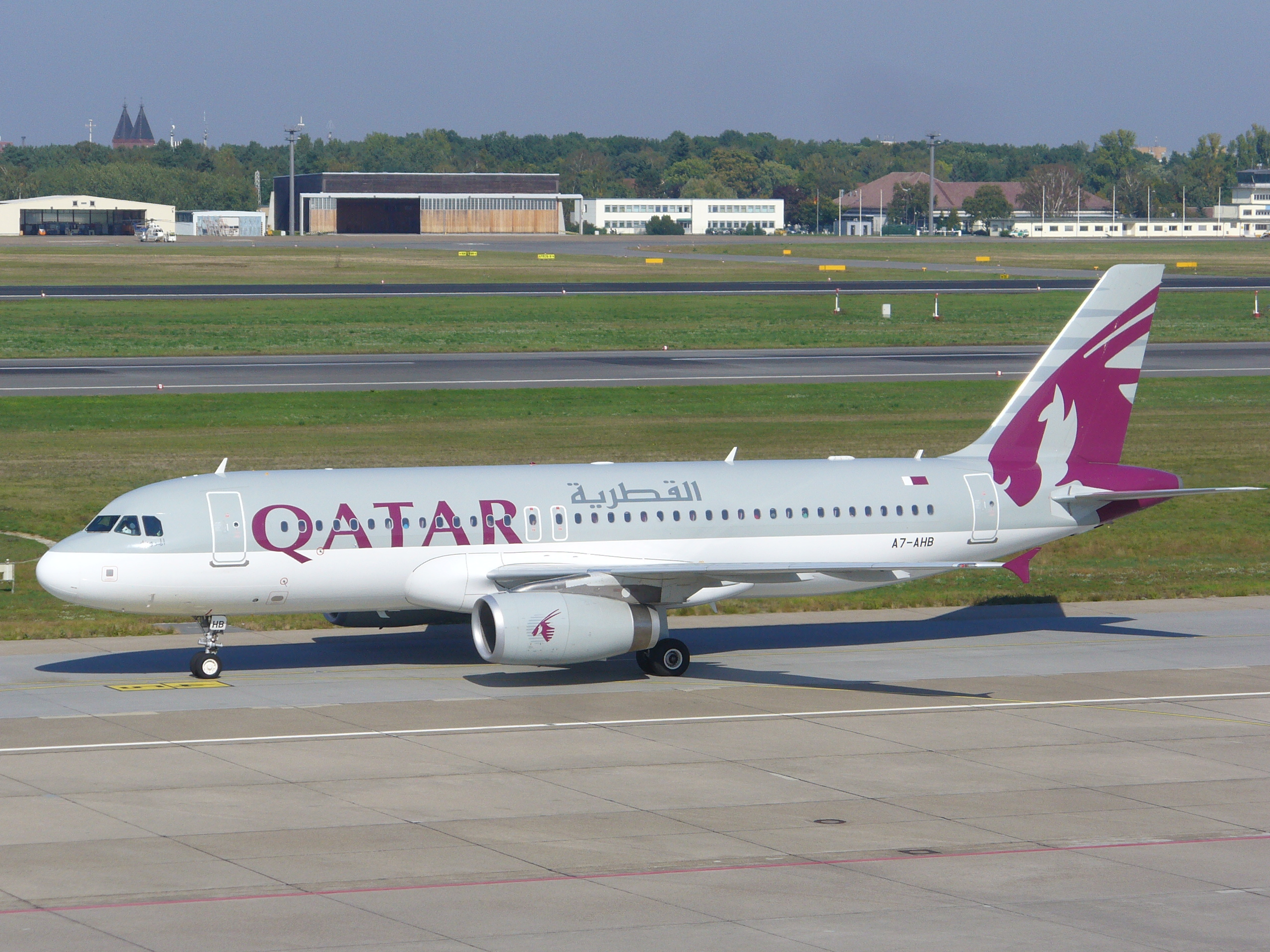
Qatar Airways has completed a fleet transition that had become harder to time: it retired its remaining passenger Airbus A330s amid weaker regional demand, after delayed replacement deliveries had previously forced the airline to retain the older jets. The aircraft type represented 7% of Qatar Airways’ passenger fleet capacity as of March 2026.

The immediate consequence extends beyond aircraft scheduling. Qatar Airways is offering just over a dozen A330 pilots voluntary, short-term assignments with RwandAir, according to the airline’s account in a Reuters report. The arrangement gives pilots trained on the retired type an opportunity to continue flying while supporting RwandAir’s operation.
A retirement delayed by replacement-aircraft constraints
Qatar Airways began receiving A330s in 2002 and operated 45 over roughly two decades: 29 A330-200s and 16 A330-300s. Their removal was not conceived as a sudden response to current conditions. The airline had intended to phase out the older aircraft years earlier, but manufacturing and delivery delays affecting replacement jets made the A330s necessary during the post-pandemic recovery in travel demand.
That history matters because it separates the underlying fleet plan from the timing of its completion. Regional disruption, weaker demand and higher fuel costs made older aircraft less attractive to operate, but the A330 phaseout was already approaching. Qatar Airways characterized the move as part of its normal process of “retiring older aircraft and introducing newer, more efficient aircraft as they are delivered.”
Four additional A330s leased from Oman Air in 2025 illustrate how quickly the operating calculation changed. Qatar Airways had planned to fly them through 2026, but they never entered its commercial service. Rather than adding temporary capacity while waiting for new aircraft, the carrier has now eliminated the passenger type from its fleet.
Why a 7% fleet share matters
An aircraft type accounting for 7% of passenger capacity is large enough to affect network planning, crew allocation, maintenance support and spare-aircraft coverage. Retirement removes the expense and complexity of sustaining a distinct older subfleet, but it also requires the airline to cover its former work with other aircraft or accept lower near-term capacity.
Current demand provides some room for that adjustment. The International Air Transport Association’s July 2026 figures showed demand at Middle Eastern carriers down 9.5% from a year earlier, while their capacity fell 5.8%. Qatar Airways’ own seven-day average capacity was 10% lower year over year in September, according to Cirium Ascend data cited by Reuters.
Those figures do not establish that regional conditions alone caused the retirement. They do show why an airline may have less reason to preserve marginal capacity from an older type while fuel is expensive and replacement aircraft are beginning to arrive. CEO Hamad Al-Khater said Qatar Airways had not yet passed higher fuel costs to passengers because of the competitive environment, making internal fleet efficiency one available cost-control lever.
Secondment preserves type-specific flying
Pilots are qualified by aircraft type, so retiring an entire fleet creates a personnel transition even without reducing the airline’s long-term growth plans. A voluntary secondment can bridge that mismatch: RwandAir gains experienced A330 flight crew, while participating Qatar Airways pilots continue operating the aircraft for which they are trained.
The arrangement is supported by an existing airline relationship. RwandAir acquired a former Qatar Airways A330 earlier in 2026, and the carriers have longstanding ties, including a codeshare agreement. Qatar Airways has not disclosed exactly how many pilots accepted the offer or the precise duration of the assignments. The move is therefore a temporary capacity-management measure, not evidence of layoffs.
The longer-term fleet picture points in the opposite direction from permanent contraction. Qatar Airways expects 138 new aircraft over the next five years. It plans six aircraft exits and 19 deliveries between September 2026 and the end of 2027, and expects to resume capacity and network growth by 2027.
The decisive variable is delivery execution. Late replacement jets extended the A330’s service once; timely arrivals will now determine how smoothly Qatar Airways can restore growth, retrain or reassign crews, and avoid rebuilding dependence on aircraft it has finally retired.
| More aerospace and engineering stories, right in your MSN feed. Follow AMI on MSN |
By Thomas Caldwell — AMI’s senior editor for mechanical and mobility engineering, covering vehicle electronics, systems integration, electrification, chassis systems, propulsion, and safety policy.