California Moves Early to Winter Gas After Prices Hit $6.37
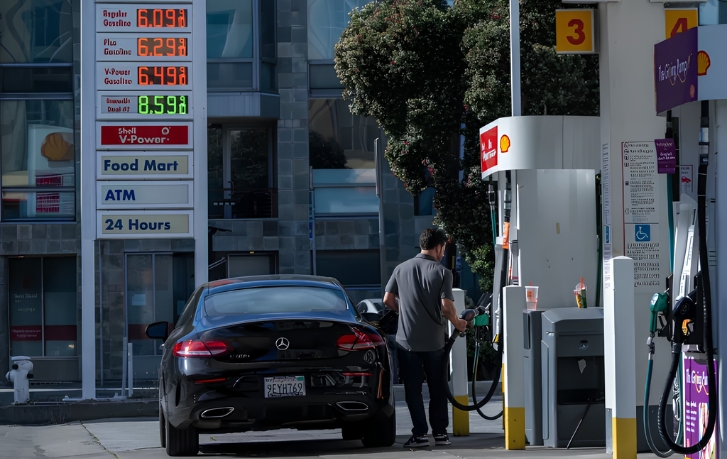
California kept its cleaner-burning summer gasoline in place longer than most U.S. markets as fuel prices surged. Now the state is moving early to the less-expensive winter formulation after regular gasoline reached $6.37 per gallon just seven cents below California’s record. The September 28 action is intended to loosen a constrained fuel system, not guarantee a particular discount at the pump. Analysts expect the change to expand available supply, but the amount and timing of retail relief remain uncertain.

Cleaner summer fuel carries a production tradeoff
Gasoline volatility matters because fuel evaporates more readily in warm weather. California’s summer formulation is designed to reduce evaporation and the smog-forming emissions associated with it. Federal rules also require summer gasoline, but California applies stricter specifications of its own.
Those environmental requirements have a direct production consequence: summer gasoline is more complex and expensive to make than winter gasoline. It can also narrow the pool of compatible fuel available to the state. In a well-supplied market, that added constraint may be manageable. During a supply shortfall and rapid price increase, it can amplify cost pressure because refiners, importers and distributors have less flexibility.
Timing sharpened that tension. Much of the country ordinarily leaves summer gasoline behind in mid-September, and the Environmental Protection Agency allowed states to begin switching on September 1 this year. Most of California would normally retain its summer specification until October 31. California’s early transition therefore changes more than a production recipe. It permits less-complex winter gasoline to be manufactured, imported, distributed and sold sooner, widening the range of usable supply before the normal state deadline.
A potentially meaningful supply increase
Severin Borenstein, a UC Berkeley professor who studies fuel markets, estimated that the transition could add 5% to 10% to California’s gasoline supply. That would be material in a market he described as having a current supply shortfall.
The estimate should not be read as a prediction that prices will fall by the same percentage. Pump prices reflect crude-oil costs, refinery output, inventories, transportation constraints, wholesale contracts and the rate at which lower-cost replacement fuel reaches retail stations. Existing higher-cost inventory does not disappear when a regulation changes.
Analysts Denton Cinquegrana and Patrick De Haan said relief could begin quickly or within days. Those are informed forecasts, not confirmed outcomes. The transition creates conditions that may lower prices; it does not set retail prices or establish how fully wholesalers and stations will pass through lower costs.
California drivers face a wider cost gap
The public impact was already substantial when the action was announced. California’s statewide average had risen 20 cents in one week and 72 cents in one month. The national average was $4.48 per gallon nearly $2 less and had been unchanged over the week while rising 39 cents over the month. San Francisco averaged $6.56.
That divergence matters for access and fairness because gasoline costs do not affect all households equally. Drivers with long commutes, limited transit access or vehicles required for work have less ability to reduce consumption quickly. Businesses operating service vehicles also absorb the increase directly or pass some of it into customer prices.
At the same time, switching formulations early is not cost-free environmental policy. California’s summer standard exists to suppress fuel evaporation and smog during hotter conditions. Advancing the winter blend temporarily gives greater weight to supply availability and consumer cost. It does not establish that the summer specification lacks value or should routinely end early.
This is a targeted regulatory release valve: preserve the stricter formulation through the period when officials judge it necessary, but allow a broader, cheaper fuel pool when prices and supply conditions become extraordinary. Similar action does not resolve underlying crude, refining or transportation pressures, and it cannot ensure California closes its nearly $2 gap with the national average.
The next measurable result will be whether wholesale easing reaches stations and how much supply actually enters the market. Until those data emerge, the confirmed change is operational rather than financial: California has advanced a transition normally scheduled for October 31, potentially adding 5% to 10% to supply while accepting an earlier end to its stricter summer fuel requirement.
| More aerospace and engineering stories, right in your MSN feed. Follow AMI on MSN |
By Thomas Caldwell — AMI’s senior editor for mechanical and mobility engineering, covering vehicle electronics, systems integration, electrification, chassis systems, propulsion, and safety policy.