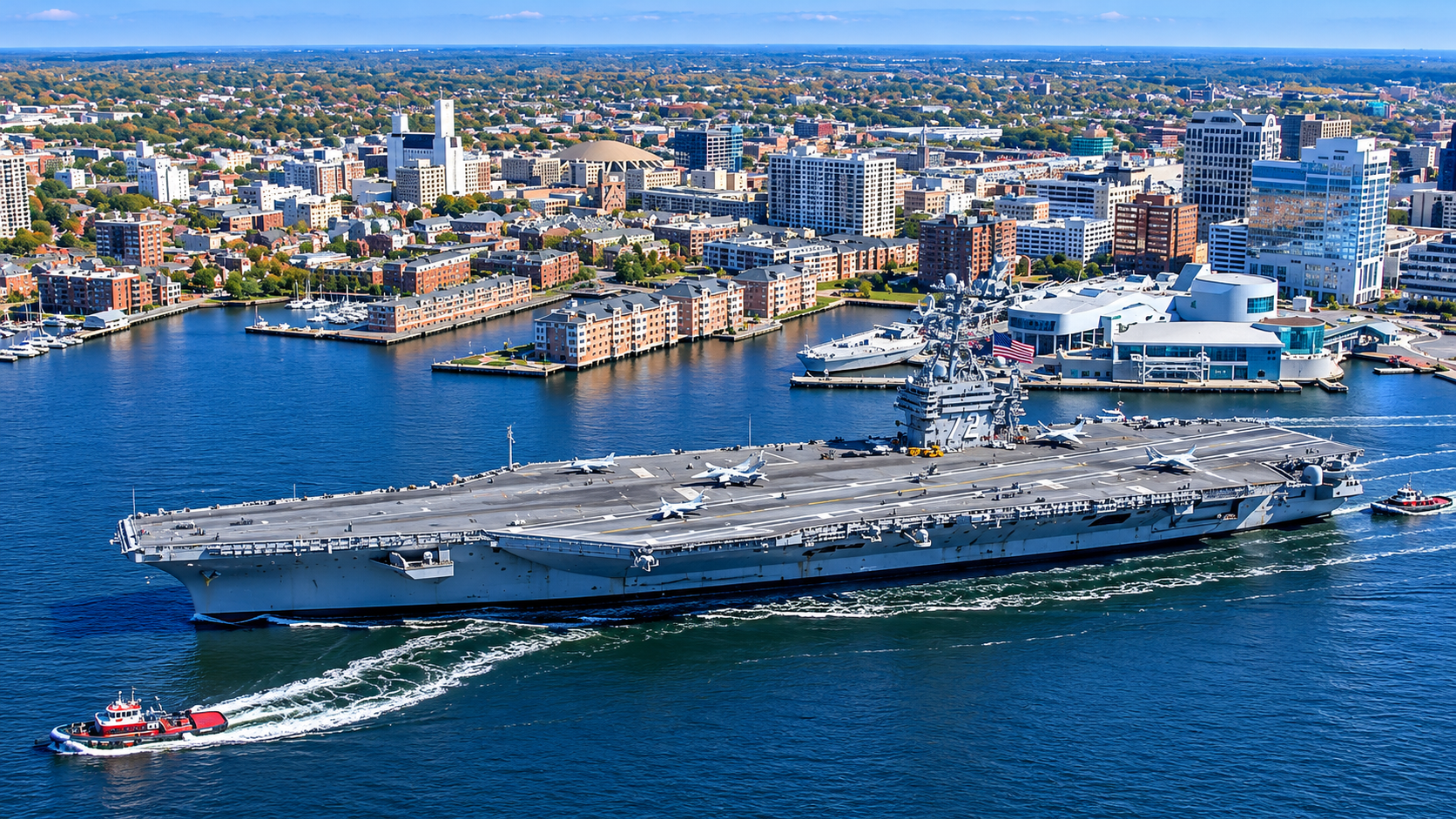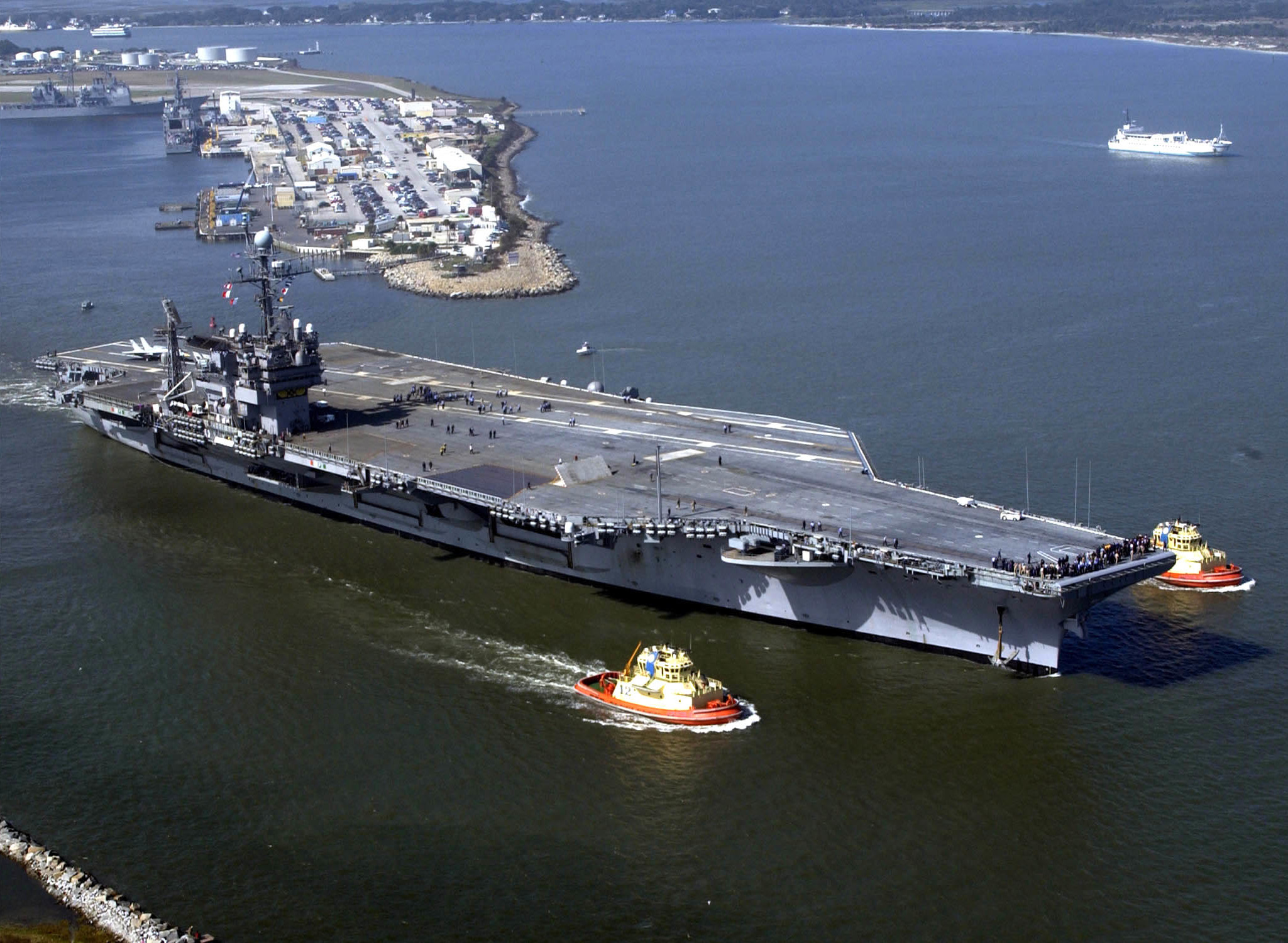
USS John F. Kennedy Accepted Preliminarily, but Final Testing Remains
The Navy took preliminary acceptance of the future USS John F. Kennedy on September 29, 2026, following acceptance trials in August. That milestone is not formal delivery and does not mean the aircraft carrier is operationally ready. It gives the Navy access to the ship for more testing and training while Newport News Shipbuilding finishes the remaining work.

The second Ford-class carrier is approximately 99% complete, and the Navy says all major systems are complete. Preliminary acceptance permits underway testing, evaluation and crew-proficiency work as the shipbuilder conducts final ship-system testing, including tests of the remaining four Advanced Weapons Elevators. Formal delivery is targeted for spring 2027, with Navy budget documents scheduling it for March.
The distinction matters because acceptance is not a single finish line. Preliminary acceptance shifts Kennedy into a phase where sailors can build experience aboard the ship without waiting for every contractual task to close. It creates useful overlap between crew development and construction completion, but it also leaves Newport News responsible for finishing and demonstrating the outstanding systems.
Seven of Kennedy’s 11 Advanced Weapons Elevators had been delivered by the end of its August acceptance trials. The electromagnetic elevators move weapons between storage areas and the flight deck, making them part of the carrier’s aircraft-support system. Testing four remaining units is therefore substantive completion work, even though the carrier can now get underway for Navy-led activity.
That boundary also explains why a 99% completion figure can sound more conclusive than it is. Ship completion percentages aggregate an enormous volume of construction, installation and testing. The final percentage can contain systems that require extensive verification and formal turnover. Kennedy has crossed a major administrative and operating threshold, but delivery, subsequent testing, certification and crew training still separate it from operational service.
One carrier enters testing as another begins a six-year overhaul
The Kennedy milestone arrived alongside a much larger maintenance commitment at the same Virginia shipyard. The Navy awarded Newport News Shipbuilding a $5.1 billion fixed-ceiling incentive contract for the refueling and complex overhaul of USS Harry S. Truman. The work is scheduled for completion in November 2031.
The two programs illustrate opposite ends of carrier ownership. Kennedy is a new ship approaching contractual delivery, with the Navy and builder overlapping final tests and initial crew operations. Truman, delivered in 1998, is entering its once-in-a-service-life recapitalization. Its overhaul will refuel both nuclear reactors and modernize, upgrade or repair thousands of compartments and tanks, most ship systems, the propulsion plant and combat systems.
For taxpayers, the $5.1 billion Truman award buys more than routine maintenance: the Navy describes the overhaul as preparation for the second half of a service life expected to exceed 50 years. Newport News previously received a $913 million advanced-procurement contract in January 2024, allowing planning and preparatory work before the main award. Truman will be the eighth Nimitz-class carrier to receive this overhaul at the shipyard.
The fixed-ceiling incentive structure is intended to divide financial risk and reward schedule performance, according to the Navy. That does not guarantee an on-time or on-budget outcome; it defines how the government and contractor handle incentives within the awarded arrangement. The public measure of success will be whether Truman returns to the fleet by the planned November 2031 date with the promised reactor, propulsion, combat-system and shipwide work completed.
Newport News must consequently manage two different readiness clocks. Kennedy’s near-term challenge is closing final tests without confusing preliminary control with completed delivery. Truman’s challenge is sustaining a six-year industrial effort broad enough to account for nearly one-third of the maintenance and modernization the carrier is expected to receive across its service life.
Preliminary acceptance lets Kennedy’s crew start generating experience now rather than leaving the ship idle until every item is closed. Its practical value depends on that overlap producing useful testing and proficiency without obscuring the work still owed. The next firm marker is formal delivery in spring 2027 and four weapons elevators remain in testing before the Navy and shipbuilder reach it.
| More aerospace and engineering stories, right in your MSN feed. Follow AMI on MSN |
By David Whitaker — Associate editor for AMI’s aerospace and drone systems desk, translating flight systems, aircraft programs, spaceflight, and UAV developments into accessible technical stories.