Snowbirds Retire Tutors After C$29.3 Million Upgrade, Grounding Team Until Early 2030s
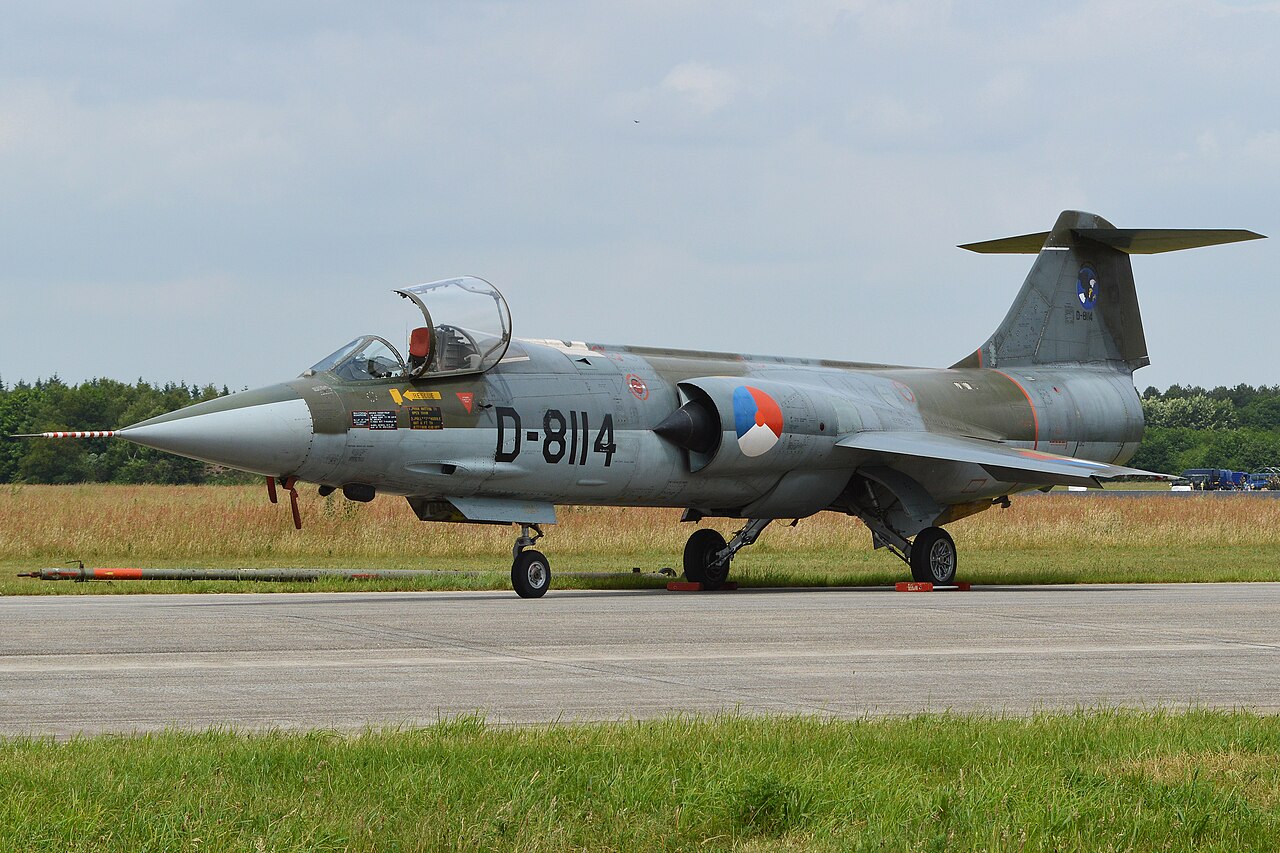
Modern cockpit displays could extend the usefulness of Canada’s CT-114 Tutor, but they could not solve the deeper problems surrounding an aircraft designed more than six decades ago. The Canadian Forces Snowbirds have now retired their familiar jets after 55 years of displays, leaving the team without an active flying demonstration capability until its expected return with turboprops in the early 2030s.

Nine Tutors made their final scheduled public appearance over Calgary’s McMahon Stadium on November 15, flying ahead of the 113th Grey Cup. They returned to Moose Jaw on November 16 for a final homecoming flypast, joined near 15 Wing by two CT-157 Siskin II turboprop trainers. The flights ended an unbroken association between the Snowbirds and the Canadian-built CT-114 Tutor, the only aircraft type the team has operated since forming in 1971.
The retirement came four years before the previously planned 2030 endpoint and after Canada spent C$29.3 million through an upgrade contract. That apparent contradiction reflects the limits of modernizing selected systems on an ageing platform: new avionics can improve cockpit capability, but they do not renew airframes, replenish scarce engine parts or make an impractical escape-system replacement fit the remaining service horizon.
New cockpits met old-aircraft constraints
The modernization project, approved in 2021, added glass cockpit displays, cockpit voice and flight data recorders, transponders, and updated navigation and communications equipment. Eleven upgraded Tutors entered service, while two more were awaiting acceptance test flights. Seven of the 20 aircraft originally selected for the work will not receive the upgrades, and approximately C$1.2 million from the implementation budget is being redirected.
Those improvements addressed equipment obsolescence in the cockpit, but the fleet’s limiting factors had spread across several harder to sustain areas. Ageing structures, obsolete components, dwindling spares and engine issues all constrained continued operations. National Defence said retired J85 engines had been cannibalized to keep other engines supplied with parts, a clear sign that maintaining availability increasingly depended on a shrinking pool of legacy hardware.
The escape system created another boundary. An improvement project was cancelled in 2023, while a separate assessment found that replacement ejection seats could not be installed within the Tutor’s remaining service life. The aircraft were certified for the 2026 display season, but officials had less confidence that operations could be sustained in subsequent years. That made 2030 less a firm destination than a target exposed to parts availability, technical risk and the economics of modifying a small fleet near retirement.
The result also illustrates why cockpit modernization and whole-aircraft life extension are different undertakings. Displays, recorders and communications equipment can be replaced as defined subsystems. Structural life, propulsion support and escape-system integration reach across the aircraft and its supply chain. Once replacement parts disappear or a major safety upgrade cannot be completed on a useful schedule, newer instruments alone cannot preserve the fleet.
The PC-21 transition will take years
The Snowbirds are expected to rebuild their nine-aircraft formation in the early 2030s with the Pilatus PC-21, designated CT-157 Siskin II in Canadian service. The team will remain at Moose Jaw, but its aircraft will be acquired separately from the 19 PC-21s Canada has ordered for the Future Aircrew Training program. Sharing the same type as the new training fleet should connect the demonstration team to a broader operating and training base, even though a separate purchase is still required.
The change also means Canada’s nationally recognized jet team will return with a turboprop. The PC-21 uses a 1,600-horsepower Pratt & Whitney Canada engine and has a published maximum speed of 685 km/h. It is already established in the display role: the Royal Australian Air Force’s Roulettes have flown the PC-21 since 2019.
Australian experience provides a useful indication of what Canada is buying with the change. Roulette pilot Flight Lieutenant Alex Christison described the PC-21 as reliable during demanding display schedules, with straightforward servicing and modern ejection seats. He also said its performance allows a compact display area and access to some shorter regional airports, although it lacks the raw sound of a jet. Those observations do not define the eventual Snowbirds routine, but they show that moving to a turboprop need not mean abandoning a fast, high-energy formation display.
The larger challenge is the gap between aircraft types. Canada must acquire the Snowbirds’ PC-21s, introduce them to the team and rebuild a nine-aircraft demonstration capability after years without public displays. The Tutors’ final approach to Moose Jaw alongside two Siskin IIs therefore marked both retirement and succession but the next full Snowbirds formation remains years away.
| More aerospace and engineering stories, right in your MSN feed. Follow AMI on MSN |
By David Whitaker — Associate editor for AMI’s aerospace and drone systems desk, translating flight systems, aircraft programs, spaceflight, and UAV developments into accessible technical stories.