South Korea Halts Takeoffs for 35 Minutes, Reschedules 130 Flights
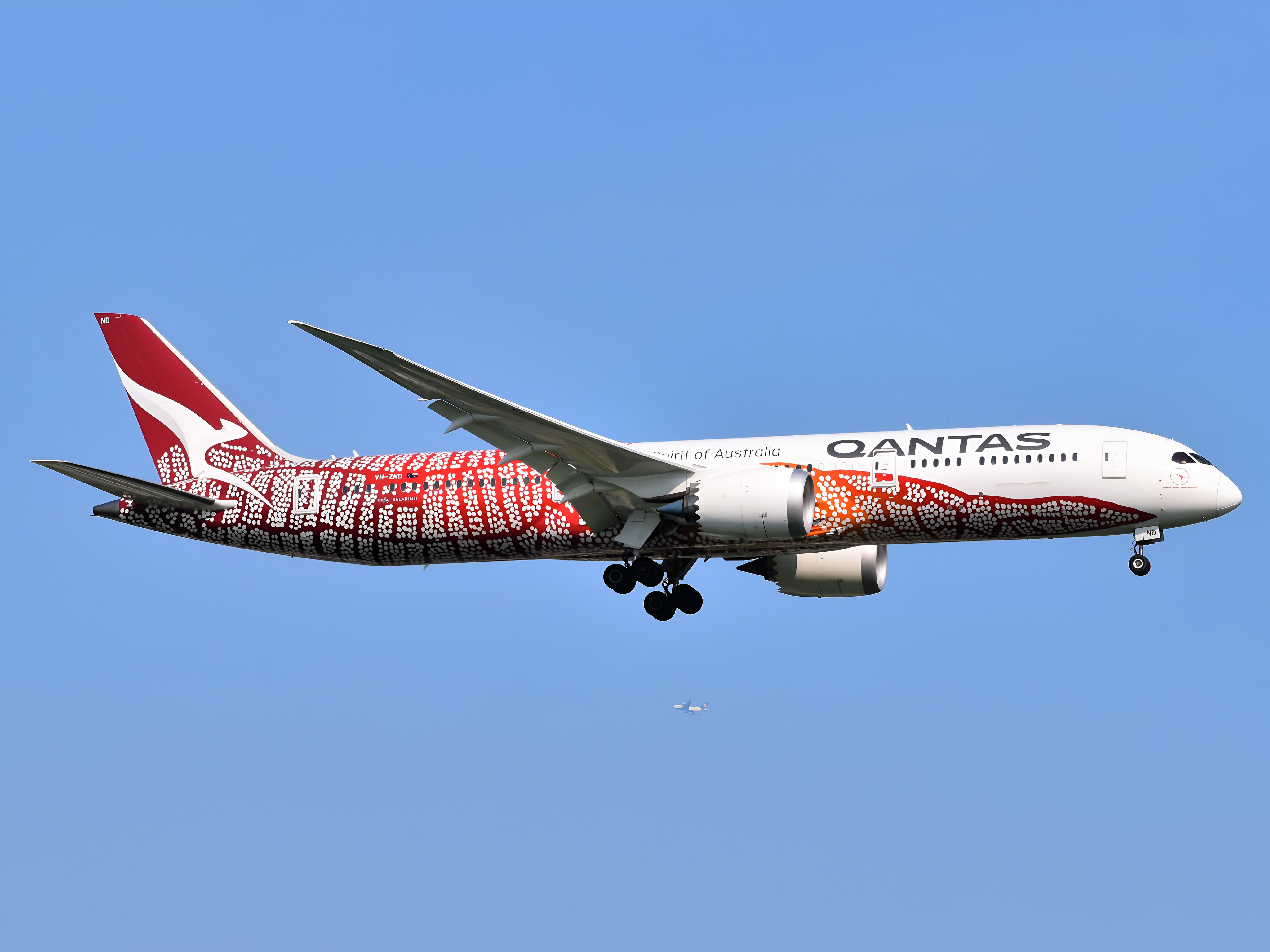
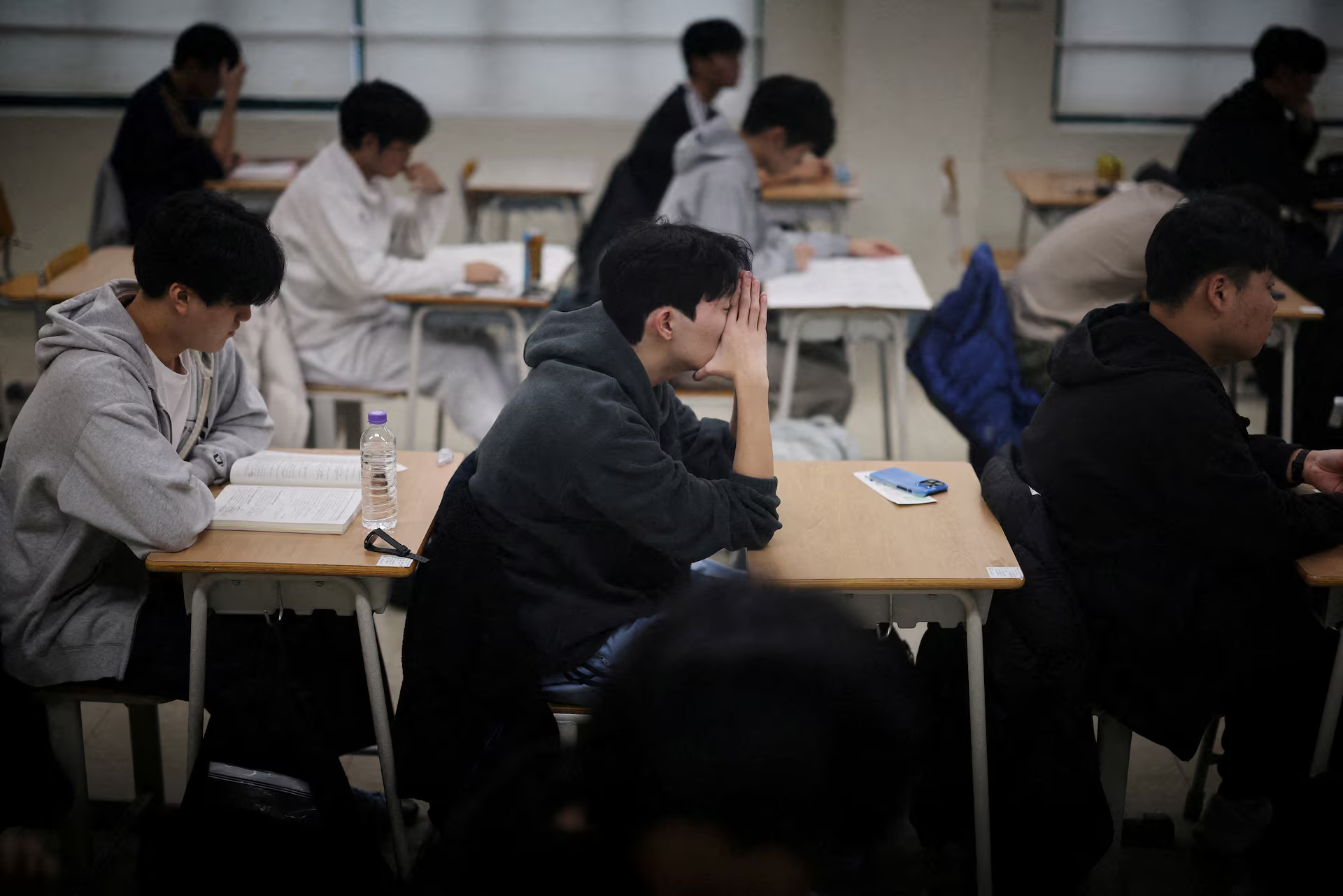
One hundred thirty flight schedules will change for a 35-minute quiet period across South Korea on Thursday. Beginning at 1:05 p.m., aircraft will be prohibited from taking off anywhere in the country while students complete the English listening section of the 2027 College Scholastic Ability Test.
The temporary restrictions will affect 81 international flights and 49 domestic flights. Airlines will move their departure or arrival times and notify passengers of the revised schedules in advance. The aim is narrowly defined: prevent aircraft noise from disrupting students’ concentration during a listening test where an overhead departure or arrival could interfere with spoken questions.
A nationwide pause, not a complete grounding
The measure is more precise than closing South Korean airspace. Aircraft already airborne during the restricted period may continue flying, but they must remain at least 3 kilometers above the ground. Emergency and other urgent flights are exempt.
The takeoff prohibition and altitude requirement apply across aircraft categories, including helicopters and light aircraft. That broad coverage reflects the acoustic objective of the restriction. A smaller aircraft or helicopter may have less traffic impact than an airliner, but it can still produce intrusive noise near a testing site.
For airports and airlines, the operational task is schedule coordination around a fixed national window. Flights that would normally depart during those 35 minutes need another slot, while some arrival times will also shift. The published total of 130 affected services defines the expected schedule impact; officials have not projected broader disruption beyond those flights.
The timing also creates different consequences for aircraft on the ground and those already in the air. Departures can be held at their gates or elsewhere on the airport surface. Airborne traffic remains subject to the 3-kilometer minimum altitude, allowing the system to preserve essential movement while reducing low-altitude aircraft noise.
Prior drone approvals will not remain valid
Drones face an even clearer restriction: South Korea will become a nationwide drone no-fly zone for the same 35 minutes. The prohibition applies even when an operator previously received permission to fly, temporarily overriding those approvals for the examination window.
The Ministry of Land, Infrastructure and Transport said violations could lead to criminal penalties. To reach operators before the restriction begins, the Korea Transportation Safety Authority plans to send text messages to licensed drone pilots and people holding flight permits. The restriction will also be posted through the Drone One-Stop civil service portal.
That notification plan addresses a practical difference between commercial aviation and drone operations. Airlines and airports coordinate through established scheduling and air-traffic systems, while authorized drone flights can involve many independent operators dispersed across the country. Direct messages and a centralized portal give those operators notice that an existing approval will not authorize flight during this particular window.
Why aircraft noise receives special treatment
The restrictions are intended to protect concentration, rather than claim a measured improvement in exam scores. The English section depends on students hearing recorded material clearly, making the short listening period particularly sensitive to intermittent outside noise.
Research provides broader context for the concern, although it addresses long-term exposure rather than a single examination session. A 2023 study of Korean elementary students near military airfields found a significant negative association between high aircraft-noise exposure and reasoning scores after adjustment for several potential confounders. Other measured cognitive scores were lower in exposed groups but were generally not statistically significant, and the cross-sectional study could not establish causation.
South Korea’s response on Thursday is therefore an operational noise-control measure built around a precise requirement, not an experiment in educational outcomes. For 35 minutes, a student listening exercise will take priority over normal takeoffs, previously approved drone flights and the original schedules of 130 domestic and international services. At 1:05 p.m., that short exam segment will reshape aircraft movement across an entire country.
| More aerospace and engineering stories, right in your MSN feed. Follow AMI on MSN |
By David Whitaker — Associate editor for AMI’s aerospace and drone systems desk, translating flight systems, aircraft programs, spaceflight, and UAV developments into accessible technical stories.