Aging T-38 Trainers Must Keep Flying Until 2038 as Replacements Arrive Slowly
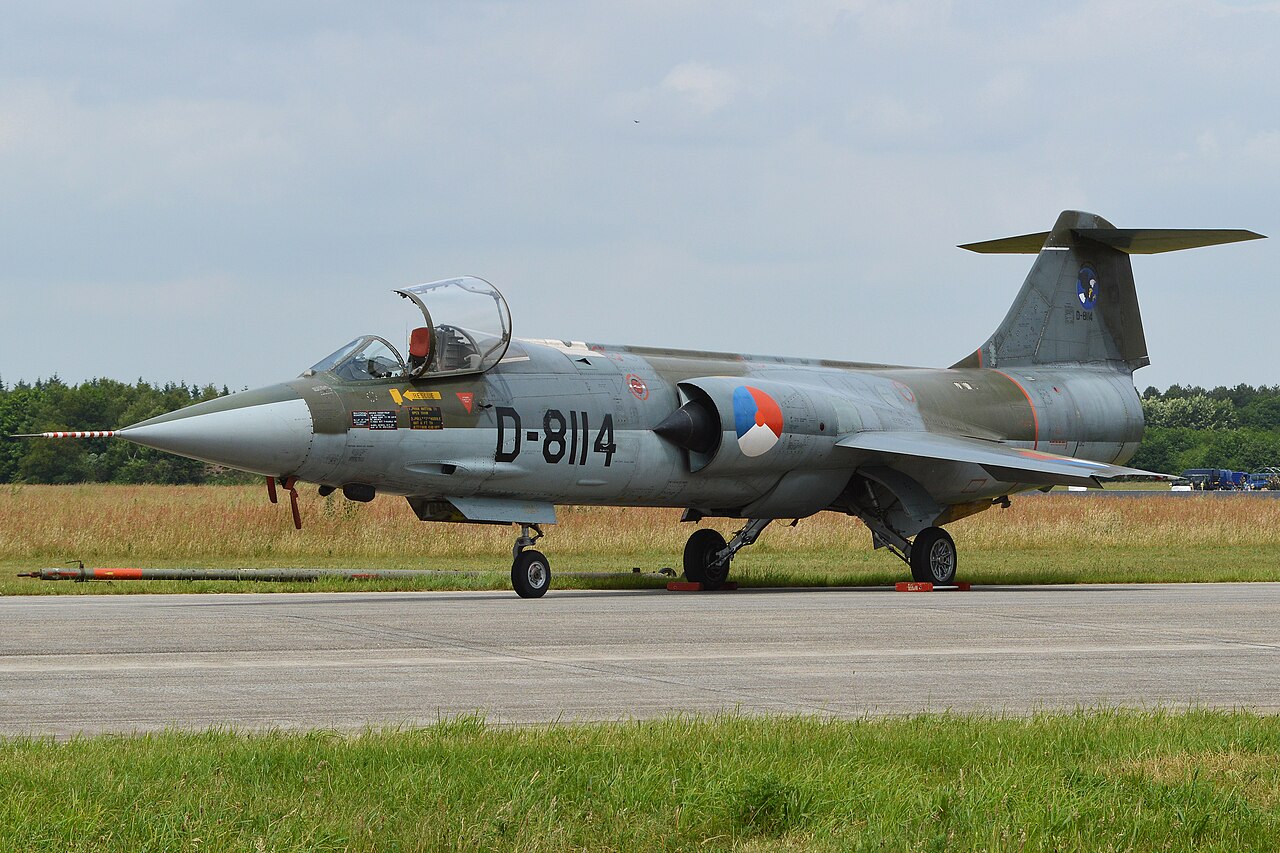
The U.S. Air Force expects its T-38 Talon trainers to keep preparing fighter and bomber pilots through 2037 or 2038, requiring aircraft that average 59 years old to bridge a decade-long transition to Boeing’s T-7A Red Hawk. Air Education and Training Command chief Lt. Gen. Clark Quinn set out that timeline on November 16 and acknowledged there is risk to the replacement reaching its targeted initial operating capability in August 2027.
The scale of that bridge is substantial. About 490 T-38s remain in the fleet, but only roughly half are mission-capable at a given time. The T-7A replacement fleet, meanwhile, consists of only three aircraft at Air Education and Training Command, compared with a planned total of 351. One of those three is used almost as a dedicated maintenance trainer rather than as a flying aircraft.
Keeping the Talon available is therefore not a side task while the new trainer arrives. It is a central requirement for sustaining the advanced phase of the pilot pipeline. The first T-38 flew in April 1959, and the aircraft remains the Air Force’s primary advanced trainer for officers assigned to fighter and bomber platforms.
Old engines set the availability limit
The principal constraint is the T-38’s pair of General Electric J85 engines, which have been out of production for years. Maintainers must repeatedly overhaul the existing engine inventory, making propulsion support a direct limit on how many aircraft can be released for training.
Engine problems previously forced the 19th Air Force to reduce T-38 flying, although Quinn said the service is now “back to the correct amount of flying.” That recovery addresses the immediate flying-hour requirement, but a mission-capability rate of about 50% leaves little basis to expect availability to improve as the fleet ages.
Quinn said the Air Force believes the aircraft can remain usable for another decade, while allowing for the possibility of an unexpected failure. If something breaks on it that we’re not expecting, we may have an issue, but there are no signs of that right now, he said.
The revised pilot-training model provides some insulation from T-38 availability. Trainees now earn civilian private-pilot, instrument and commercial qualifications before completing basic military flight certification in the T-6 Texan II. By the time students begin flying the T-38, they already have their Air Force wings. A Talon shortage can still restrict the flow of fighter and bomber trainees, but it has less effect on the service’s total number of newly winged pilots than it did under the previous sequence.
The 2027 target depends on three moving parts
The Air Force is still aiming for T-7A initial operational capability in August 2027, but reaching that point requires more than delivering a few aircraft. AETC says it needs 14 T-7As on the ramp, an initial group of instructors who are proficient and ready to teach, and a flight envelope expanded enough to conduct the required training mission.
AETC directly controls only instructor preparation. It graduated its first T-7A instructor-pilot class at Randolph Air Force Base in June, but instructor proficiency also depends on aircraft availability and test approval for the maneuvers they must teach. Quinn warned that receiving the complete required flight envelope only in August 2027 would be too late because instructors need months to train within it beforehand.
Production has now formally started moving forward. Following approval on April 23, the Air Force awarded Boeing a $219 million contract covering the first 14 aircraft, spares, support equipment and training, according to the Air Force’s production announcement. That was approval for low-rate production not the first flight of a T-7A and each of the first three low-rate lots will receive a separate decision as testing continues.
The measured approach reflects the program’s remaining work. Escape-system engineering and onboard software issues delayed production and delivery, while spare-parts shortages reduced readiness in the small developmental-test fleet at Edwards Air Force Base. The program completed its final ejection-seat sled test in October, clearing one important engineering hurdle, but flight-envelope expansion and aircraft deliveries must continue together.
Full-rate production is not expected until 2029. Budget plans provide for 14 T-7As in fiscal 2026 and call for 23 in fiscal 2027, with annual purchases projected to reach 60 in 2030 and remain there until the 351-aircraft fleet is complete in 2036. Even if the T-7A meets its 2027 operating target, replacing hundreds of Talons will take years. That production curve is why a trainer first flown in April 1959 may still be launching pilot-training sorties in 2038.
| More aerospace and engineering stories, right in your MSN feed. Follow AMI on MSN |
By David Whitaker — Associate editor for AMI’s aerospace and drone systems desk, translating flight systems, aircraft programs, spaceflight, and UAV developments into accessible technical stories.