FAA Software Ruling Puts Boeing MAX 10 Certification Back on Track
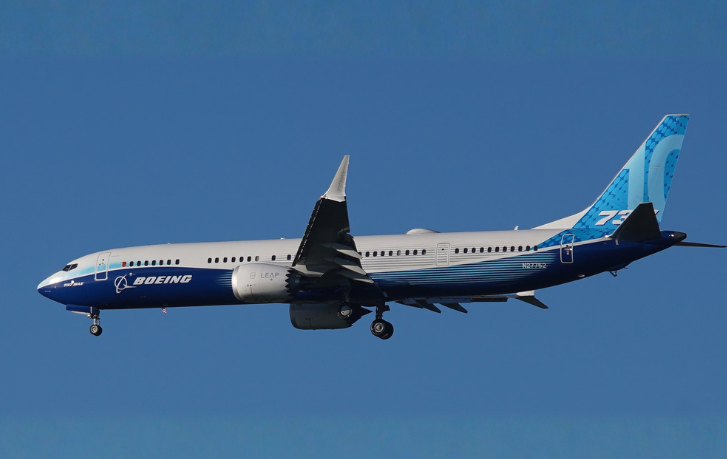
The Federal Aviation Administration has determined that a newly reviewed software condition in some Boeing 737 MAX flight computers does not present a flight-safety concern. The October 2 finding removes a potential obstacle from the certification path for the Boeing 737 MAX 10, although the largest MAX variant has not yet received final FAA approval.

The issue had briefly delayed the agency’s review because one software version could increase pilot workload after a changed flight path or during an unusual missed approach, when a landing is abandoned and the aircraft climbs for another attempt. Boeing still plans a permanent software update and will provide interim instructions explaining how operators should recognize and handle the condition.
The decision is important because certification does not end when an aircraft completes its planned flight tests. Software findings can still trigger a focused regulatory review if they affect what pilots see, which automated functions remain available or how much work a crew must perform during a demanding phase of flight. In this case, the FAA paused MAX 10 approval work while its Corrective Action Review Board assessed that human-factors question.
The condition can arise after pilots alter a preprogrammed flight path in a particular go-around scenario. It may make automated vertical flight guidance unavailable and shift the aircraft to a simpler level of automation, requiring additional crew actions before the next landing attempt. That loss of an automated aid was the core workload concern; it was not a finding that pilots lose command of the aircraft.
After meeting in Seattle, the FAA review board concluded that the condition poses no safety concern because pilots retain full control of the aircraft and the indications to the flight crew are clear and unambiguous. In certification terms, that distinction is consequential. An automation change can be manageable when its status is plainly annunciated, the crew retains authority and established procedures provide a clear response.
The review therefore examined more than whether the flight computer performed exactly as intended. It considered the aircraft as a pilot-machine system: how the automation changes state, whether the crew can identify that change and whether the resulting workload remains acceptable. The finding clears the reviewed condition on that basis, rather than treating the software behavior as irrelevant.
That also explains why further action will follow despite the no-safety-concern determination. Boeing will issue an operator bulletin describing how airlines should recognize and respond if the condition occurs. The FAA will separately distribute a Special Airworthiness Information Bulletin to US airlines and foreign regulators. These notices provide a bridge between the current software and the permanent update Boeing is developing.
Major US airlines had chosen not to use the affected software version while the analysis was underway. The same flight-management software is used on the MAX 7, which was certified in August, but the immediate certification consequence centers on the MAX 10. Alaska Airlines and United Airlines are among the carriers awaiting that model, and an analyst estimate places its order book at nearly 1,500 aircraft.
The regulatory decision allows MAX 10 certification work to proceed, but it should not be read as certification itself. Aviation officials have indicated approval could come later in October, while another forecast places it before year-end; both remain projections rather than completed FAA action.
The sequence illustrates why completed flight testing does not guarantee immediate approval. A late software question can pause a program without automatically forcing the entire flight-test campaign to restart. Regulators can instead isolate the condition, assess aircraft control, cockpit indications and pilot workload, then decide whether procedures and a planned software correction adequately manage it.
The next decisive milestone is the FAA’s final certification decision. Until then, the MAX 10 is back on a path toward approval, with an accepted interim response to the software condition and a permanent update still to come.
| More aerospace and engineering stories, right in your MSN feed. Follow AMI on MSN |
By Thomas Caldwell — AMI’s senior editor for mechanical and mobility engineering, covering vehicle electronics, systems integration, electrification, chassis systems, propulsion, and safety policy.