NASA Commits Another $359 Million as Starliner Crew Flights Slip to 2028
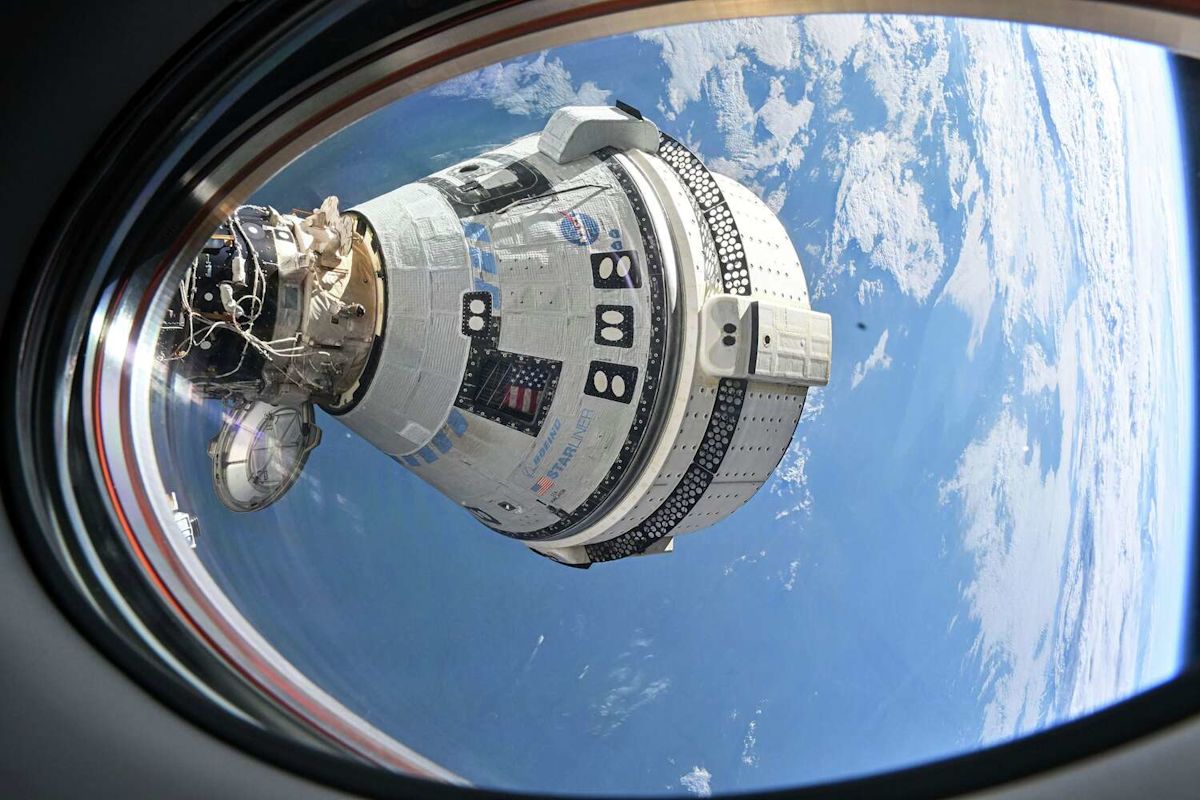
NASA is committing another $359 million to Boeing’s Starliner recovery even though the spacecraft is not expected to carry astronauts again until 2028. The agency’s updated development plan calls for an uncrewed flight to the International Space Station as early as December 2026 or January 2027, giving engineers a chance to evaluate modifications before exposing another crew to the system.
That creates a difficult public-cost calculation. NASA is spending more to preserve a second U.S. astronaut-transport option, but taxpayers will not receive that crew capability immediately. The next Starliner will carry cargo, collect propulsion data and test improvements under flight conditions. Only after NASA and Boeing review those results, complete additional hardware changes and finish certification work can a crewed mission proceed.
The cargo flight is an engineering gate, not a return to service
The uncrewed Starliner-1 mission is designed to validate changes made after the spacecraft’s 2024 crewed test. NASA’s investigation produced 61 recommendations, while the agency says every identified problem must be addressed before astronauts fly aboard Starliner again.
The planned work extends beyond a single replacement part. Boeing has made thermal modifications to the service module, and NASA will assess whether those changes improve the operating environment around the propulsion system. The partners also plan a thruster-valve design modification focused on a seal problem that adversely affected performance. Other work includes new crew-module thrusters and batteries, plus minor parachute-system changes intended to improve performance and reliability.
Flying without astronauts gives NASA room to collect qualification data while limiting human exposure if the modified system behaves differently than predicted. It does not, by itself, certify Starliner for crew. NASA plans to combine the flight data with subsequent valve changes, corrective actions and ground testing before making that decision. The 2028 target therefore reflects a staged certification process rather than a simple schedule delay.
The additional cost also covers a launch-vehicle transition
NASA manager Dana Weigel put the expected additional cost for Starliner upgrades and new rocket certification at $359 million. Part of the burden comes from the spacecraft’s launch architecture: Starliner has flown on United Launch Alliance’s Atlas V, but that rocket is nearing the end of its available inventory. NASA now intends to work with Boeing and United Launch Alliance to certify the newer Vulcan rocket for crew transportation.
That certification matters because a reusable crew capsule is not operationally independent of its booster. Changing rockets requires integration work and evidence that the combined launch system meets human-spaceflight requirements. The spending therefore supports both repairs to Starliner and the infrastructure needed to keep launching it after Atlas V is no longer available.
For taxpayers, the tradeoff is clear but unresolved. Continuing Starliner requires substantial spending before it restores any crew-carrying capacity. Ending the effort, however, would leave NASA without the second U.S. transportation provider that motivated the original commercial-crew procurement strategy. SpaceX began flying NASA astronauts in 2020 and is preparing for its 14th crewed NASA mission, making it the only currently operational U.S. service for routine astronaut transport to low Earth orbit.
Redundancy is valuable only if it arrives in time
NASA’s case for continuing Starliner is based on access and resilience rather than the performance of one mission. Two independent transportation systems can reduce reliance on a single spacecraft family and provide more options as commercial stations are developed. Yet that benefit has a narrowing window at the International Space Station, which is expected to be retired and brought down from orbit by 2031.
If astronauts return to Starliner in 2028, the spacecraft would have only a limited period to support the station before retirement. NASA nevertheless intends to exercise options for additional Starliner flights, positioning the capsule for both remaining station work and possible future commercial destinations. That longer-term role helps explain why the agency is willing to fund rocket certification rather than treat the next mission as a one-off recovery attempt.
The cautious sequence also reflects what happened on the 2024 test flight. NASA later classified that mission as a crew-endangering Type A mishap, its most serious mishap category. Butch Wilmore and Suni Williams remained aboard the station for about nine months after arriving on Starliner and ultimately returned aboard a SpaceX spacecraft. Those confirmed outcomes establish the safety stakes, but they do not predetermine whether the current modifications will satisfy certification requirements.
Astronaut Woody Hoburg is assigned to command the next crewed Starliner mission, but his flight depends on the uncrewed spacecraft producing the data NASA needs. Before Starliner can again serve as the second U.S. astronaut ferry NASA originally sought, it must first demonstrate its changes without astronauts aboard and then clear the remaining hardware, launch-vehicle and certification gates before 2028.
| More aerospace and engineering stories, right in your MSN feed. Follow AMI on MSN |
By David Whitaker — Associate editor for AMI’s aerospace and drone systems desk, translating flight systems, aircraft programs, spaceflight, and UAV developments into accessible technical stories.