Reported Ukrainian Strike Hits Yaroslavl Refinery as Moscow Fuel Queues Persist
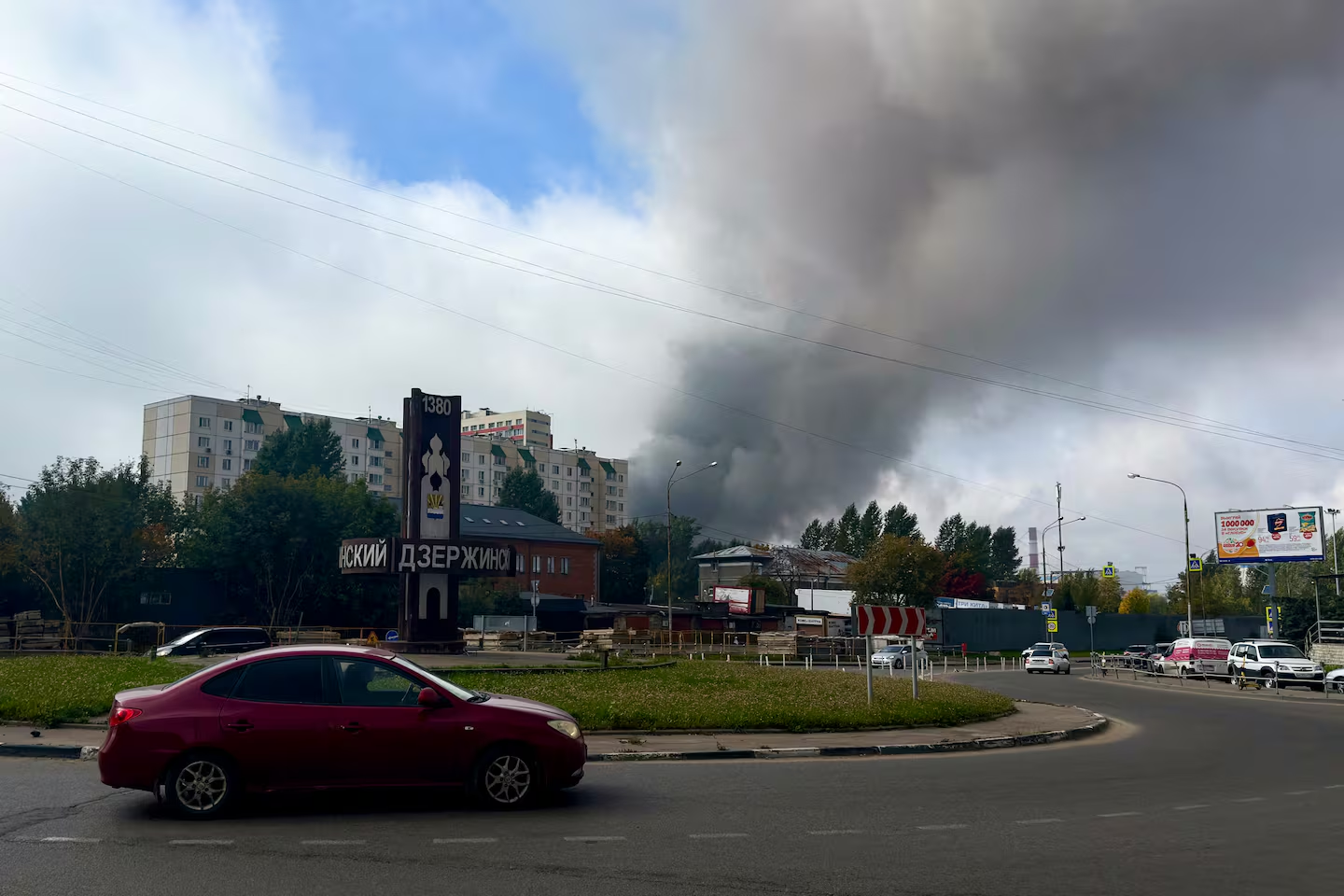
Fuel-sale controls had been eased, but queues were still appearing at some Moscow filling stations when another reported Ukrainian drone attack reached refinery infrastructure serving central Russia. The August 6 strike in the Yaroslavl region sharpened an uncomfortable supply tension: removing retail restrictions does not restore fuel that refineries and distribution networks cannot readily deliver.
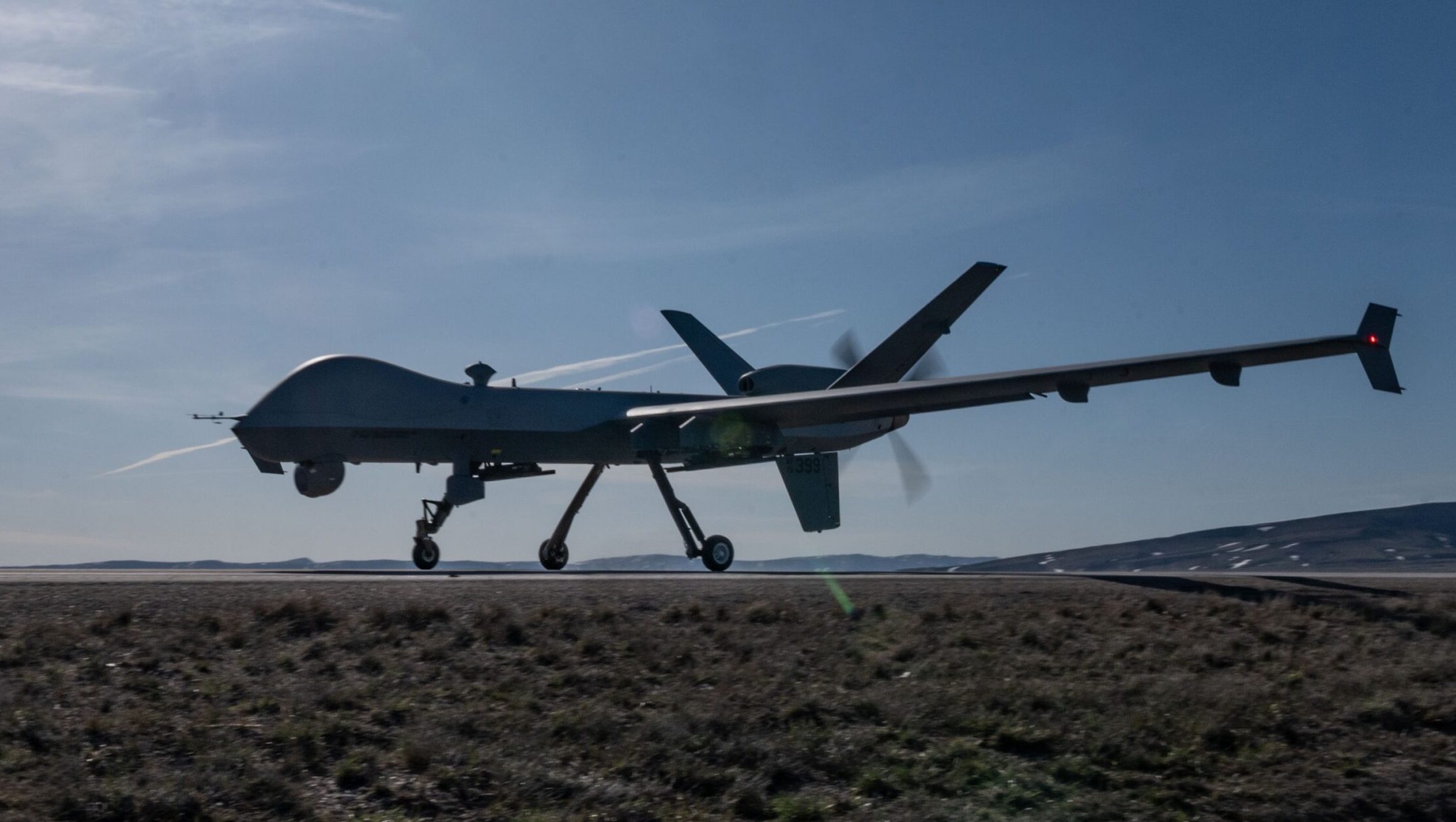
Russian authorities said about 100 drones were shot down over the region, while reporting indicated that a refinery supplying central Russia, including the Moscow area, was hit. The interception total has not been independently verified, the refinery was not identified in the initial account, and the resulting damage was not quantified. Crucially, no direct causal link has been established between that particular strike and the queues observed in Moscow.
Those limits do not make the overlapping events irrelevant. Refining is a linked industrial process rather than a single measure of barrels entering a plant. Primary units begin separating crude into components, while secondary units convert and treat those streams to increase the quantity and quality of gasoline, diesel and other fuels. Losing a major unit can therefore reduce not only total throughput but also a refinery’s flexibility to produce the grades needed in a particular market.
A separate June 16 attack illustrates the scale such an outage can reach. Reuters reported that damage to a primary unit affected 53% of Gazprom Neft’s Moscow refinery capacity. The facility processed 11.6 million tonnes of oil in 2024, producing 2.9 million tonnes of gasoline and 3.2 million tonnes of diesel. Those figures do not establish the effect of the August Yaroslavl strike, but they show why overlapping refinery outages can become a distribution problem rather than remain isolated plant incidents.
Why easing sales controls may not end queues
Regional limits on the amount of fuel sold to each customer, along with prohibitions on filling jerry cans, were intended partly to restrain private stockpiling. By late July, such controls had been lifted or relaxed in at least seven regions, including Moscow and Saint Petersburg. Yet queues subsequently formed at some stations in the capital, and interviewed motorists described difficulty locating particular brands or grades.
This is consistent with an uneven supply network. Aggregate fuel availability can appear adequate while individual stations run short of a grade demanded by local vehicles. Deliveries also depend on inventories, loading schedules and transport capacity. A station receiving some gasoline is not necessarily receiving the correct mix, and a driver who needs a particular grade may pass several stations before finding it. Easing a purchase cap changes demand behavior immediately; refinery repairs and supply rebalancing take longer.
The motorists’ experiences demonstrate real inconvenience but cannot establish how widespread the disruption was across Moscow. One driver reported waiting 15 minutes, while others described accepting available fuel or continuing to search. Their concern about recurring shortages is understandable, especially for taxi drivers and businesses dependent on vehicles, but individual expectations are not forecasts of a permanent citywide shortage.
Repeated strikes pressure repair capacity and air defense
The broader industrial data indicate that Russia’s refining system had lost substantial operating margin. In a September analysis, the International Energy Agency reported that Russian refinery throughput fell to 3.8 million barrels per day in June, its lowest level in more than 20 years and roughly 30% below the previous year. It estimated gasoline production had fallen about 20% from 2025 levels and diesel output nearly 30%.
The agency counted 32 major Russian refineries with about 6.5 million barrels per day of installed capacity and said one was hit, on average, every three days during the first eight months of 2026. That frequency matters because industrial resilience depends on available crews, replacement equipment and maintenance windows. Plants may compensate by accelerating repairs, restarting idle equipment or postponing scheduled work, but those measures cannot create unlimited capacity and may narrow the margin available for subsequent outages.
The reported scale also imposes a readiness burden beyond the refinery gates. Russian authorities’ claim that roughly 100 drones were intercepted over Yaroslavl describes a substantial air-defense event, although it does not reveal how many aircraft were launched, how many reached the region or exactly what caused the refinery damage. At a high level, repeated attacks require continuing detection, interception and infrastructure-protection resources across a geographically distributed industrial system.
Later events reinforced the concern about cumulative disruption. Reuters reported that the Yaroslavl refinery halted crude processing on September 17 after another drone strike damaged a primary unit while a second unit was already under repair from an earlier attack. That later shutdown does not prove what caused Moscow’s August queues, but it demonstrates the underlying constraint: when outages overlap, refinery flexibility can disappear faster than retail rules can restore it.
| More aerospace and engineering stories, right in your MSN feed. Follow AMI on MSN |
By Stephen Wallace — Editor for AMI’s aerospace integration and unmanned mobility coverage, focused on drone manufacturing, VTOL systems, autonomous networks, and air-ground mobility links.