

Congressional Iran Tally Lists 81 U.S. Aircraft, but Not All Were Destroyed
An updated congressional assessment reportedly places 81 U.S. aircraft and drones on the loss-and-damage list for Operation Epic Fury. The number is substantial, but it is not a destruction count and treating it as one would exaggerate both the permanent fleet loss and the bill for replacing it.

The Oct. 5 revision by the Congressional Research Service, detailed by Military Times, combines aircraft lost in combat or other incidents with aircraft damaged in attacks on bases since operations began Feb. 28. Some damaged aircraft may already have returned to service. CRS also cautioned that the tally could change because some information remains classified and responsibility for certain incidents is difficult to determine.
The F-15E count shows why the categories matter
The 12 F-15E Strike Eagles illustrate the accounting problem. Three were lost to friendly fire over Kuwait on March 2, and another was reportedly lost during operations over Iran in April. The remaining eight were damaged during September attacks on Muwaffaq Salti Air Base in Jordan.
That means the entry “12 F-15Es” does not describe 12 destroyed fighters. It combines four reported losses with eight damaged aircraft. Reporting cited in the assessment indicated that those eight sustained light damage and returned to service, although the broader CRS language appropriately leaves open the status of damaged aircraft elsewhere in the tally.
For readiness planning, the distinction is fundamental. A destroyed or otherwise written-off aircraft removes an airframe from the force and can create a replacement requirement. A damaged aircraft instead creates an inspection, parts, labor and depot-capacity problem. Even after repair, its operational absence can matter but for days or months rather than permanently. A single aggregate figure cannot show those different effects.
The same caution applies to the listed F-35A. Its presence means one aircraft was included as damaged; it does not establish that the fighter was destroyed. Likewise, the seven KC-135 tankers and the single E-3 Sentry must be evaluated by damage status, repairability and time out of service before drawing conclusions about lasting fleet capacity.
Drones make up most of the total
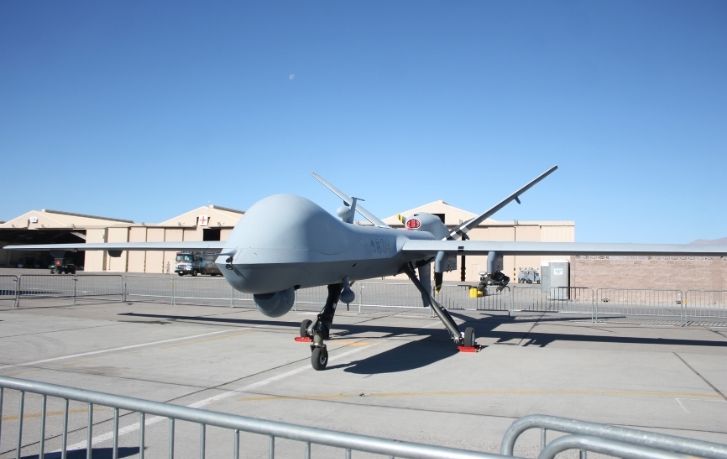
The full list comprises 45 MQ-9 Reapers, 12 F-15Es, seven KC-135s, two A-10s, two MC-130Js, one F-35A and one E-3. It also includes one HH-60W, one MQ-4C Triton, three MQ-1-series aircraft, one AH-64, four AH-6s and one MH-60. Those entries total 81.
The 45 Reapers alone account for more than half the tally. That concentration changes the readiness question from a simple count of crewed combat jets to the availability of persistent unmanned surveillance and strike capacity. It is especially consequential because the Air Force’s Reaper inventory had already fallen from 351 aircraft in fiscal 2022 to about 135 by May 2026 through retirements, accidents and combat losses.
Replacement is not straightforward. A separate CRS overview of the MQ-9A program says the production line is closed and could take two to three years to restart. The Air Force has proposed a lower-cost successor, but it did not request fiscal 2027 funding to buy new Reapers or procure that proposed replacement. The immediate policy choice therefore spans repairs, remaining fleet utilization, training demand and the schedule risk of moving to another platform.
The $3.3 billion ceiling is broader than these 81 aircraft
The Congressional Budget Office estimated that replacing combat equipment lost through Aug. 1 could cost from $1.9 billion to $3.3 billion, depending on replacement choices. That range is not the standalone value of the revised 81-aircraft list. It covers broader lost equipment, including a missile-defense radar, and predates aircraft damage added in the September period.
Nor does every loss automatically produce a one-for-one purchase. An older aircraft may be retired without direct replacement, substituted with another system or replaced by a newer and differently priced design. Repairable damage generates a separate bill that can include structures, engines, sensors, labor and transportation without requiring a new aircraft.
CBO placed wider Defense Department costs through Aug. 1 at approximately $38 billion, including munitions, additional flying, fuel, operations and lost equipment. That larger figure describes the campaign’s overall resource demand, not an aircraft replacement invoice.
The earlier CRS version counted 42 aircraft in May; the October revision lists 81. That increase reflects newly incorporated reporting including additional drone losses, helicopters and September aircraft damage not necessarily 39 losses occurring after May. Until each airframe is categorized as returned to service, under repair or permanently written off, 81 is best read as the boundary of a readiness-accounting problem rather than the size of a destroyed fleet.
| More aerospace and engineering stories, right in your MSN feed. Follow AMI on MSN |
By David Whitaker — Associate editor for AMI’s aerospace and drone systems desk, translating flight systems, aircraft programs, spaceflight, and UAV developments into accessible technical stories.