Ukraine Orders Simulators for Possible 900-Kilometer-an-Hour Drones Before Enough Interceptors Arrive
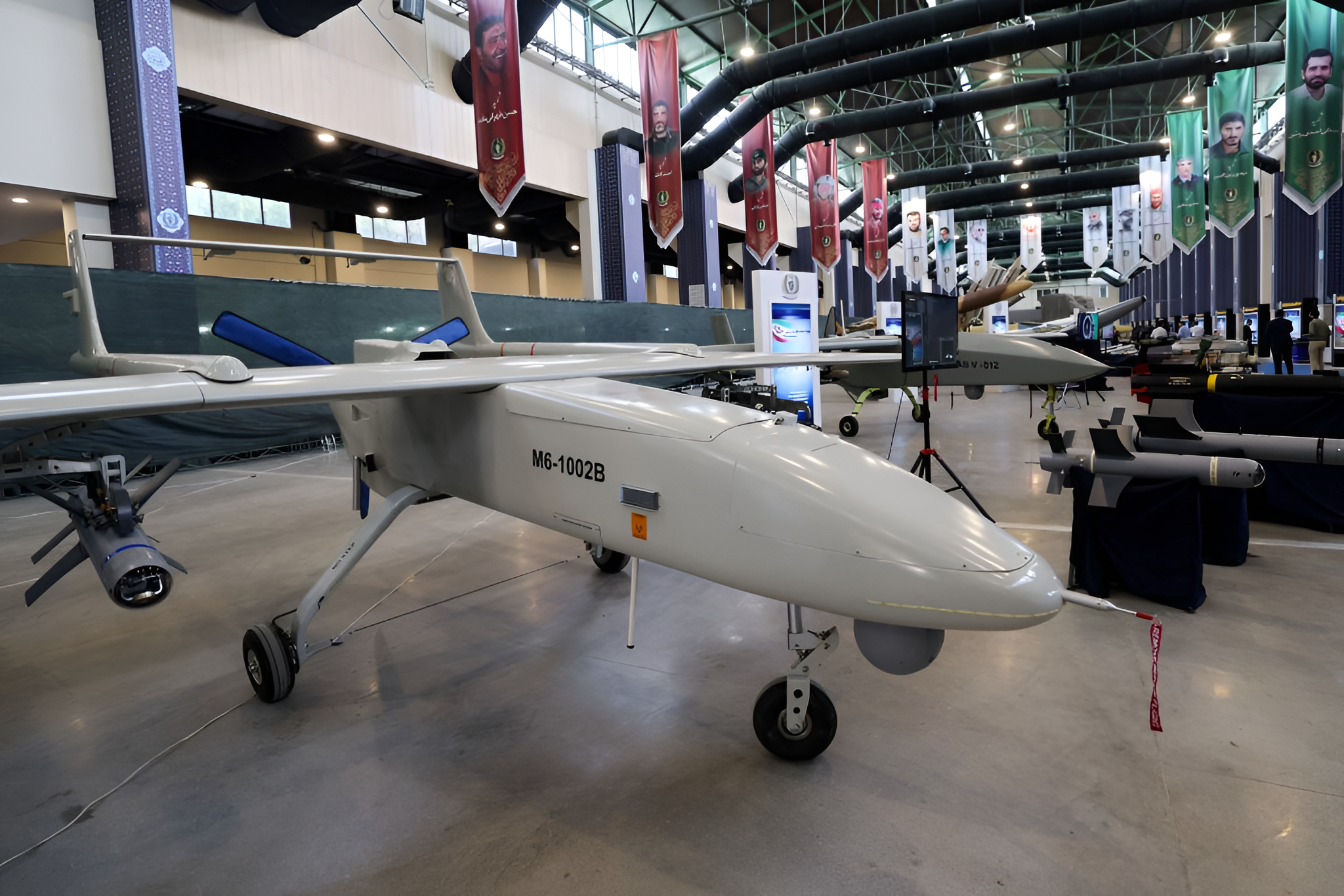
Ukraine is preparing air-defense crews for jet-powered drones that may become substantially faster before enough new interceptors are available. The Ukrainian Air Force has tasked interceptor manufacturers with developing simulators for prospective targets traveling at 800 to 900 kilometers per hour, while officials say the required quantity of suitable interceptors is not expected before the end of November.
The speed range is a forecast, not a confirmed Russian capability. Colonel Yurii Cherevashenko, a deputy commander of Ukraine’s Air Force, told a parliamentary commission on October 6 that current Russian jet drones fly at approximately 600 kilometers per hour and that the projected 800-to-900-kilometer-per-hour speeds have not been recorded. He said manufacturers had nevertheless been assigned to build simulators so crews could practice for that possibility, according to an account of the commission meeting.
The assignment exposes a readiness constraint that cannot be solved simply by building a faster airframe. Cherevashenko said that when an interceptor and its target travel at roughly the same speed, the pilot perceives little difference between their motion. That makes high-speed interception a human-factors problem involving perception, control and specialized preparation as well as propulsion and production.
A simulator can let crews encounter that compressed operating environment repeatedly without consuming scarce aircraft or waiting for the final interceptor design. It can also support a training sequence in which personnel first learn basic piloting and then specialize in interception, the approach Cherevashenko said the Air Force is already following. The available information does not establish the simulator architecture, fidelity or delivery schedule, however.
Production and training must advance together
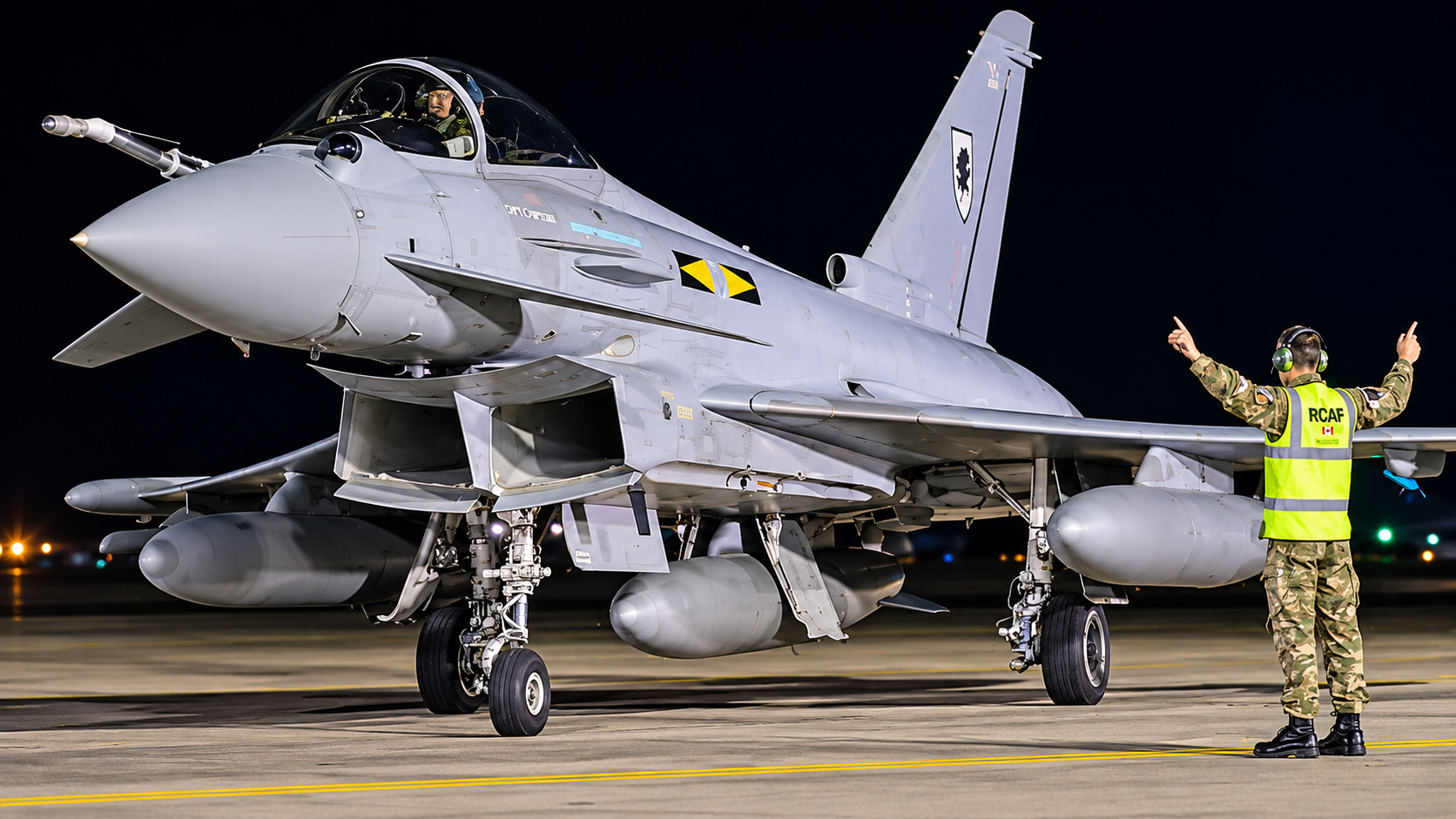
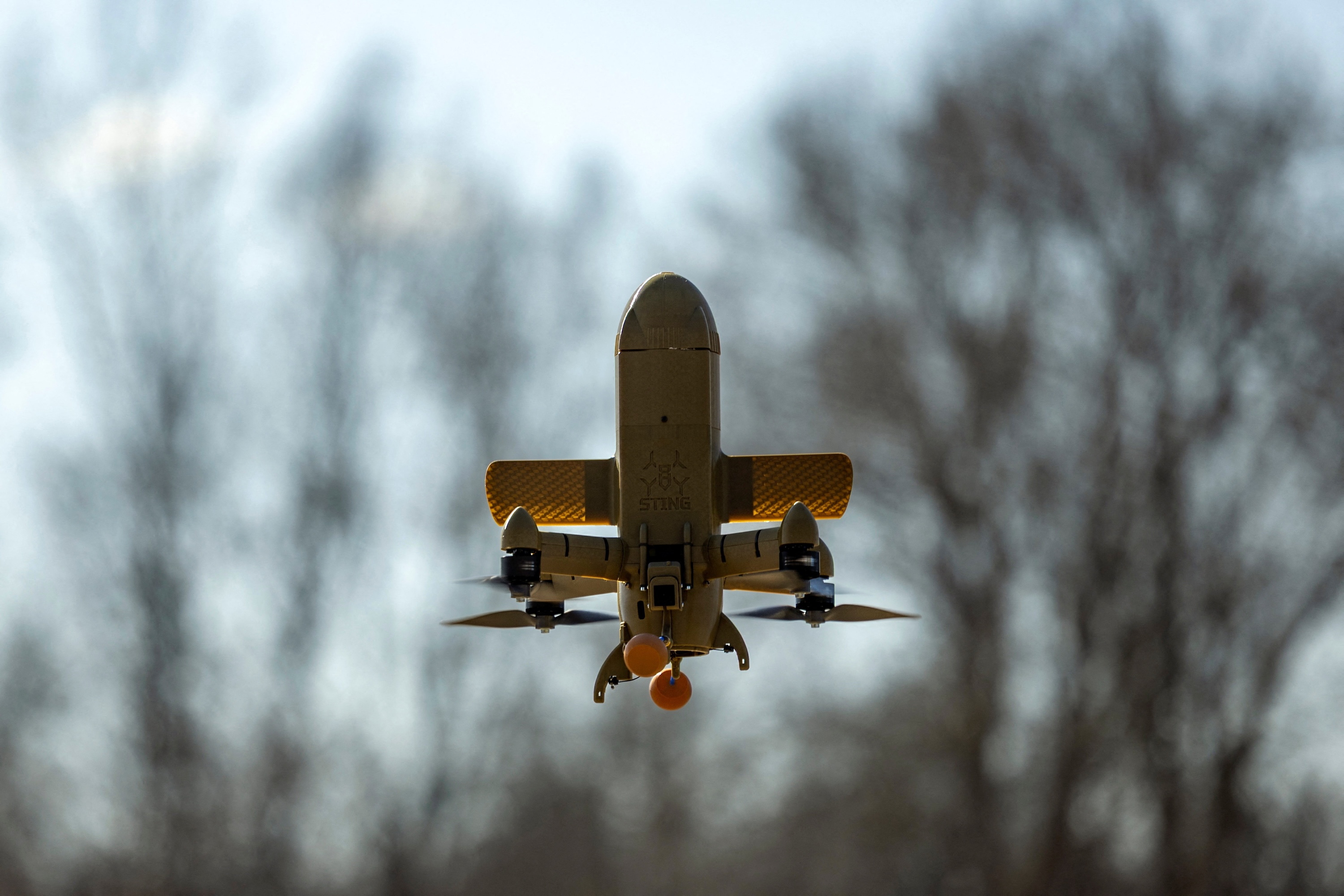
Ukraine is pursuing multiple interceptor designs rather than relying on a single model. President Volodymyr Zelenskyy said five models were being tested and that approximately 400 units of one model could be produced by the end of October. The other four remained under test. Separately, Cherevashenko said the Air Force was communicating with about 20 manufacturers, with 14 conducting test flights, six having achieved some results against jet drones and three producing results the service considered promising.
Those figures describe an active development base, but not yet a mature fleet at the required scale. When asked when suitable interceptors would be available in the necessary quantities, Cherevashenko answered: “Not before the end of November.” Engine availability, funding and the cost of moving promising systems into repeatable production have also been identified as constraints.
Manufacturing volume matters only if the resulting aircraft deliver consistent performance and crews can use them effectively. Producing hundreds of units before a design is sufficiently validated risks multiplying uneven results. Waiting for a finished design before establishing a training pipeline creates the opposite problem: aircraft may arrive before enough specialized operators are ready. Commissioning simulators now is an attempt to run those timelines in parallel.
The urgency is visible in Ukraine’s reported interception results. In a September 28 address, Zelenskyy put the interception rate for jet-powered drones at approximately 57%, below what he called the required level. He said the corresponding rate for slower, propeller-driven drones was between 85% and 90%. These are Ukrainian official figures, but the gap illustrates why faster targets are being treated as a distinct training and equipment problem.
Higher speed changes the whole readiness system
A projected increase from about 600 to as much as 900 kilometers per hour would represent a 50% rise at the top of the forecast range. At a systems level, that would place more pressure on detection, decision time, aircraft control, crew proficiency and maintenance availability. It would also narrow the margin available when an interceptor has little speed advantage over its target.
That does not mean the forecast speed will necessarily appear, nor that simulator work confirms such a drone already exists. The Air Force has explicitly said it has not recorded Russian jet drones at 800 to 900 kilometers per hour. The program is therefore preparation for a plausible development rather than a response to a verified new model.
Ukraine reportedly recorded its first interception of a jet-powered Shahed in November 2025. Less than a year later, officials are describing a broader requirement involving five candidate models, hundreds of prospective production units and a dedicated simulator assignment. The next meaningful milestone is not merely whether one interceptor reaches production in October, but whether validated aircraft and trained crews become available together after the end-of-November scaling threshold.
| More aerospace and engineering stories, right in your MSN feed. Follow AMI on MSN |
By Stephen Wallace — Editor for AMI’s aerospace integration and unmanned mobility coverage, focused on drone manufacturing, VTOL systems, autonomous networks, and air-ground mobility links.