Anduril Plans $3.7 Billion Submarine Factory, but Major Output Waits Until 2030
Anduril Industries plans to put $3.7 billion into a Baltimore-area submarine-parts factory, while the Navy could purchase up to $2.9 billion of its output under the public-private plan announced October 6. The immediate tension is timing: the Navy is already producing Virginia-class attack submarines well below its target, but the new factory is not expected to begin operating until around 2030.

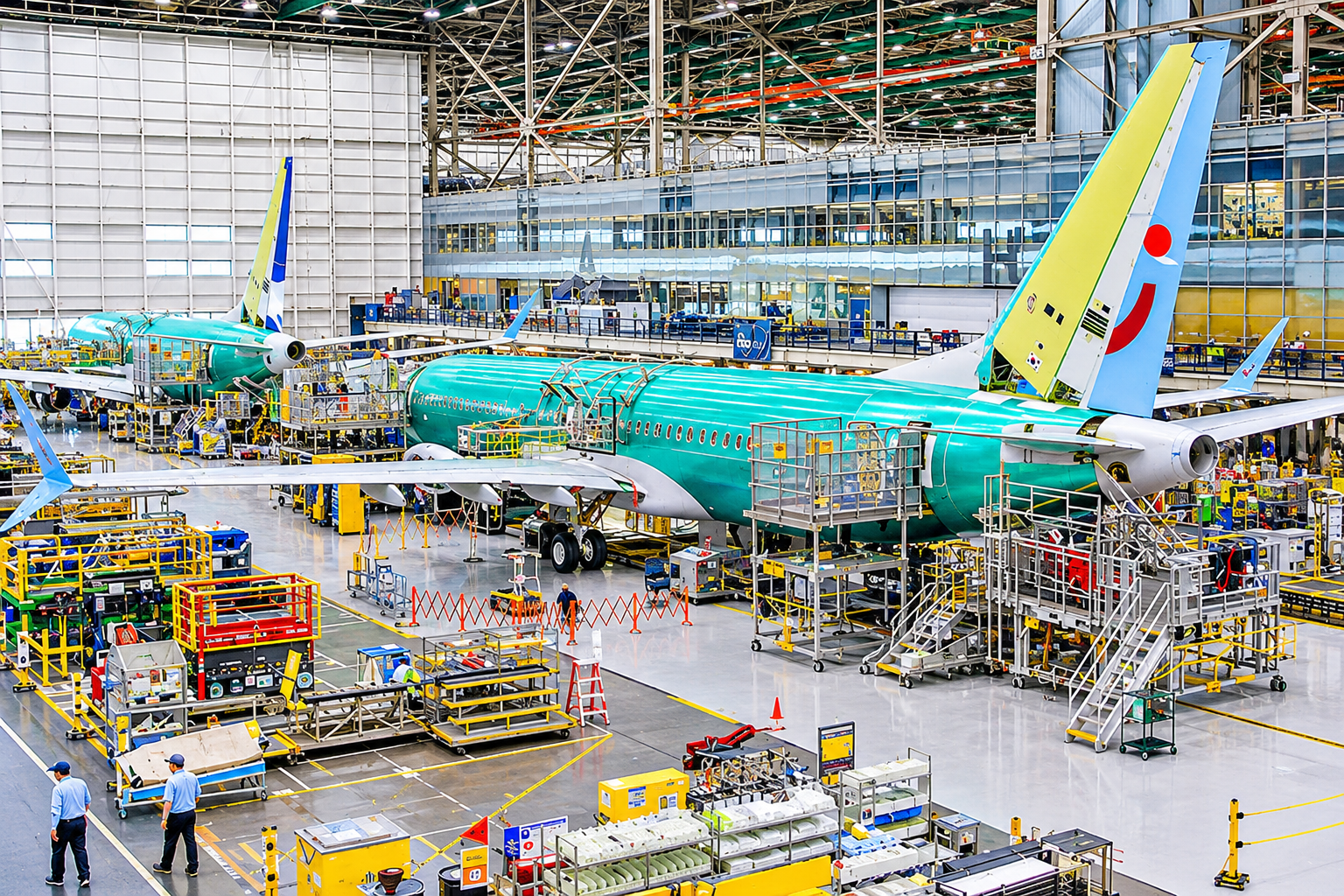
Known as Arsenal-2, the planned Sparrows Point facility would cover more than 2 million square feet. Officials project that it could eventually add about 9 million labor hours per year, equivalent to roughly 15% more submarine-production capacity. That is substantial on paper, but it is not the same as delivering 15% more completed submarines. Anduril must build and qualify the factory, establish its workforce and supplier network, and satisfy the demanding certification and safety requirements governing nuclear-submarine construction.
A capacity increase aimed at specific bottlenecks
The Virginia-class program currently averages about 1.3 submarine deliveries per year against the Navy’s objective of two. That leaves output roughly 35% below the target, while the Navy does not project reaching two boats annually until around 2032. The United States is also preparing to transfer Virginia-class submarines to Australia under the AUKUS pact, adding another demand on a production system that is already behind its domestic goal.
Arsenal-2 is designed to relieve particular constraints rather than replace the two prime shipbuilders. Anduril would work under General Dynamics Electric Boat and alongside HII’s Newport News Shipbuilding, supplying components and assemblies that can be incorporated into submarines completed by those established yards.
Initial work is expected to include torpedo tubes, identified by a senior administration official as a gating component for submarines already under construction. This component-first strategy matters because added factory floor space has limited value if it does not address the parts holding up the broader production sequence. Moving selected work to a new supplier could allow Electric Boat and Newport News to concentrate labor and facilities on other sections, final integration and assembly.
Anduril has already begun torpedo-tube work at a California facility and plans to transfer production to Baltimore as Arsenal-2 comes online. That gives the company an opportunity to develop manufacturing methods, quality systems and workforce practices before the much larger Maryland operation starts. It also provides a nearer-term route for producing components, although the evidence does not establish how much California output will affect annual submarine deliveries.
Private financing shifts risk, not certification
The financing model is unusual in scale. Anduril says it will fund the facility, workforce and manufacturing capacity with its own $3.7 billion, while Navy payments of up to $2.9 billion are tied to demonstrated production outcomes. An industry official characterized the arrangement as the government buying successful output rather than reimbursing the company for its investment.
For taxpayers, that structure is intended to place much of the factory-execution risk on Anduril. It does not eliminate public exposure, however. The Navy could still become a major customer, and the value of those purchases will depend on whether qualified components arrive when the wider submarine production system can use them. A late component plant may still add long-term resilience, but it cannot retroactively close the shortfall accumulated before operations begin.
Certification is the other boundary on the capacity claim. Anduril ultimately wants to move beyond individual components into complex modules and large submarine sections. Before that progression, its processes, records and products must meet the safety and quality standards applied to nuclear-submarine construction. Software, automation and digital manufacturing may improve work tracking, consistency and inspection records, but they do not bypass qualification.
That distinction is central to evaluating the projected 15% capacity increase. Nine million additional labor hours would expand the industrial base only if trained workers, approved processes, conforming parts and the prime shipyards’ production schedules align. Capacity is a system property, not simply a count of available hours.
Anduril projects 3,100 direct jobs at the Maryland operation and another 11,000 indirect jobs nationwide, but those remain forecasts rather than completed hiring. The decisive milestones will be the start of qualified component production, acceptance by the prime shipbuilders and eventual approval for more complex assemblies. With Arsenal-2 expected around 2030 and the Navy targeting two Virginia-class submarines per year around 2032, the factory has a narrow window to turn projected capacity into usable output.
| More aerospace and engineering stories, right in your MSN feed. Follow AMI on MSN |
By David Whitaker — Associate editor for AMI’s aerospace and drone systems desk, translating flight systems, aircraft programs, spaceflight, and UAV developments into accessible technical stories.