Ford Ships Fathom Batteries, but Suppliers Still Risk $28,350 EV Launch
Ford has begun shipping the first lithium iron phosphate battery cells made at its new Michigan plant to Louisville Assembly Plant, where they will power Fathom prototypes and validation vehicles. The movement of production-intent cells into vehicle builds advances Ford’s planned $28,350 electric vehicle, but it does not remove the program’s principal remaining risk: whether the wider supplier network can deliver consistently good parts at full production speed.
The first cells are traveling from BlueOval Battery Park in Marshall, Michigan, rather than complete battery packs because pack manufacturing is still undergoing validation. Ford plans to begin full pack deliveries to Louisville in 2027, according to a detailed account of the new battery operation. That creates another consequential milestone between today’s cell shipments and Fathom’s targeted launch in the fourth quarter of 2027.
Ford says Fathom is already 90% through validation and that the first vehicles have been built on the production line in Louisville. These are validation vehicles rather than customer units, but they allow engineers to test production tooling, assembly sequences, software, components and quality controls as an integrated manufacturing system.
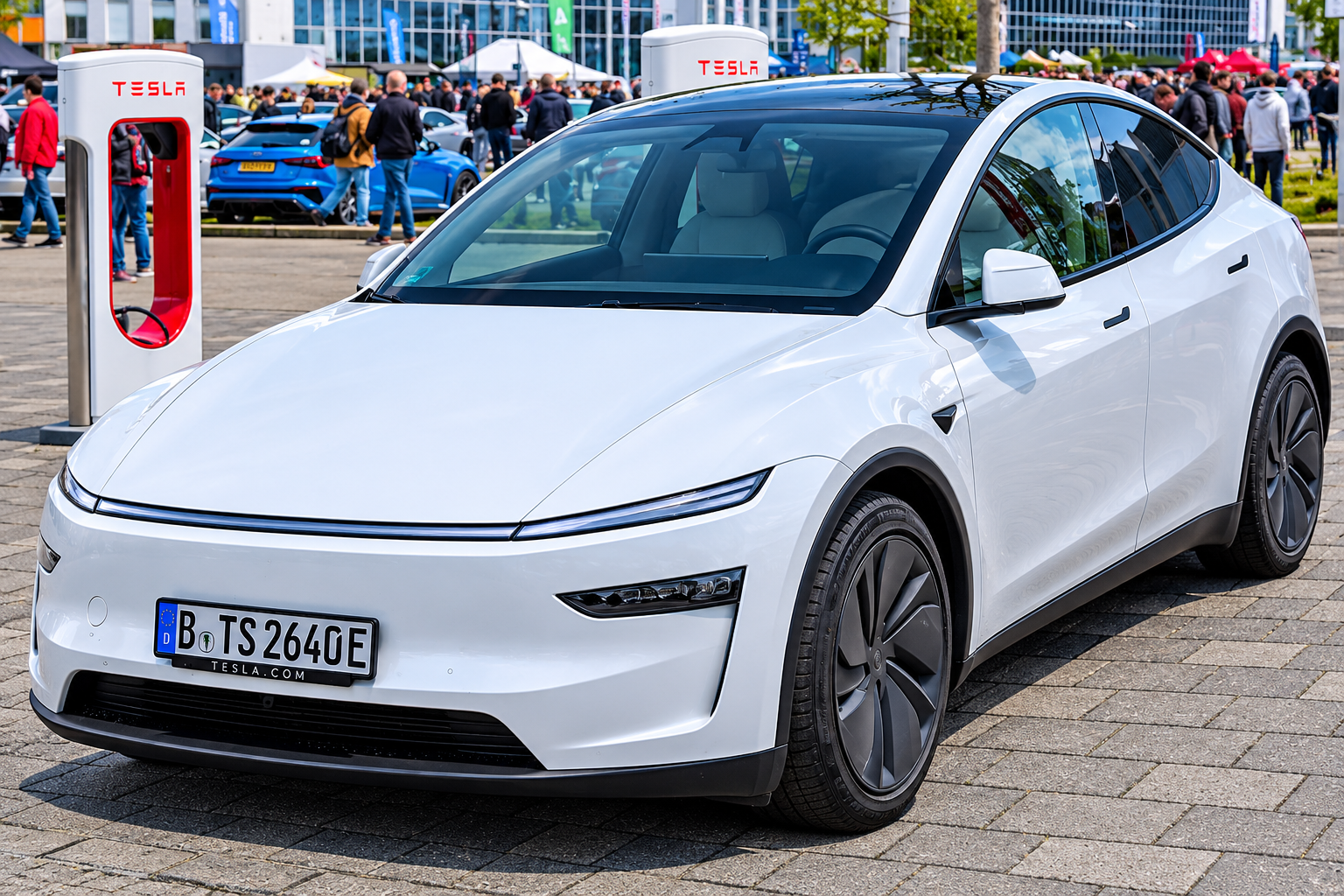
The vehicle will be the first based on Ford’s Universal Electric Vehicle platform. Its starting manufacturer’s suggested retail price is planned at $28,350, while additional versions will extend into the high-$30,000 range. That price excludes at least some costs paid by buyers: one published calculation places the base vehicle at $29,945 after a $1,595 destination charge.
Battery production moves closer to the vehicle
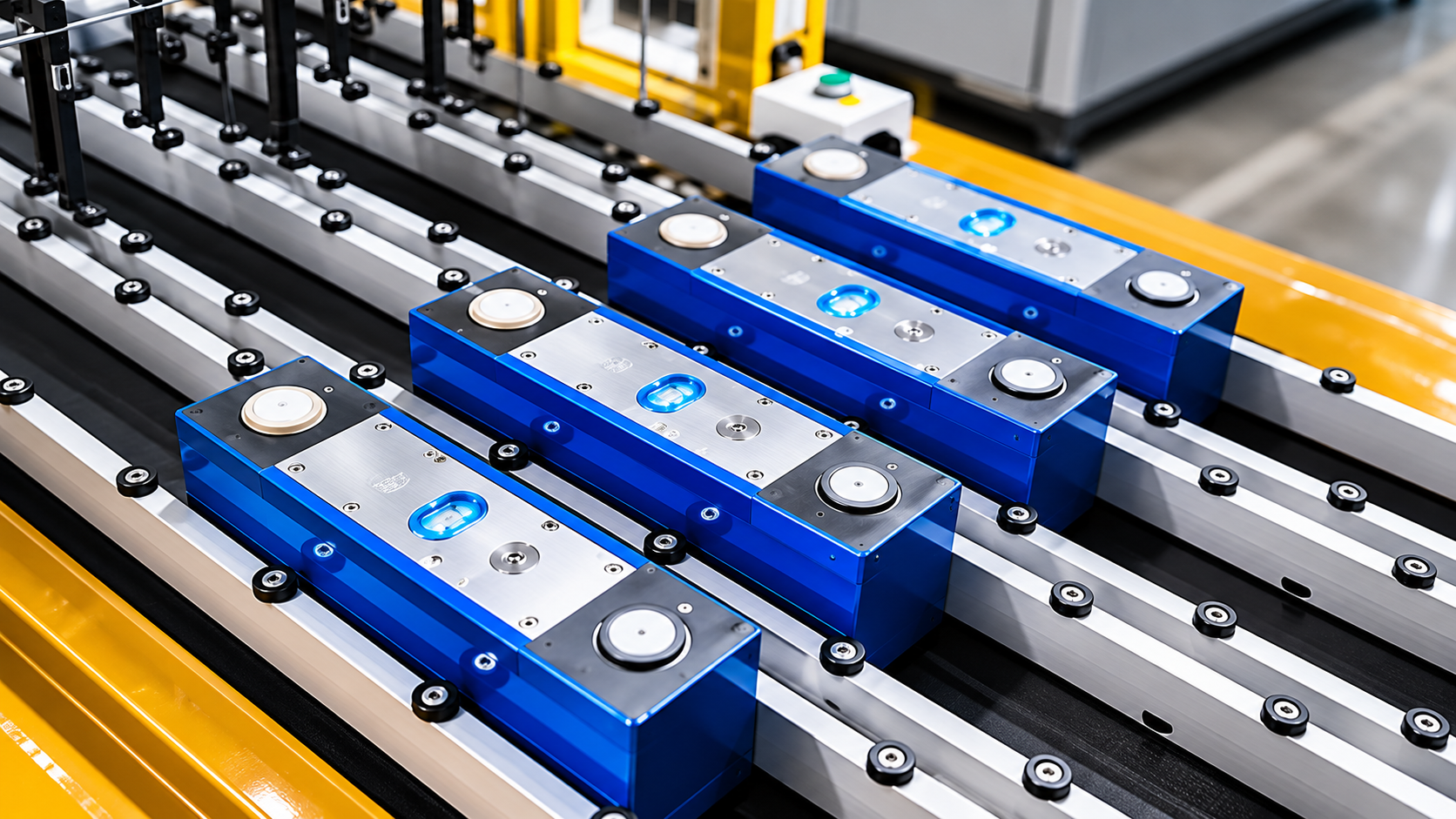
The Michigan factory gives Ford direct control over a component that heavily influences an electric vehicle’s cost, mass and manufacturing schedule. The plant is designed for 20 gigawatt-hours of annual output, while its cell lines are intended to produce 40 cells per minute. Ford has selected prismatic lithium iron phosphate cells, a chemistry that avoids nickel and cobalt and is intended to support the Fathom’s lower-cost positioning.
Producing cells at the intended factory matters because laboratory samples and limited prototype batches cannot fully represent a high-rate industrial process. The validation flow must reveal whether production equipment can repeatedly control coating, assembly, welding, sealing and other quality-sensitive operations while maintaining throughput. Ford is targeting defects at the parts per billion level for the cells, an exacting objective for a new plant and supply chain.
The current arrangement also shows what remains unfinished. Cells shipped to Kentucky must eventually give way to complete packs assembled in Michigan, including their cooling, wiring and integrated electronics. The plant aims to manufacture 50 packs per hour once that operation is running. Stable pack output will have to align with Louisville’s vehicle schedule, creating a direct dependency between two newly industrialized systems.
Supplier rate is different from prototype success
Ford Chief Operating Officer Kumar Galhotra has identified supplier readiness as the principal remaining launch risk. The requirement is not merely to submit acceptable components; suppliers must produce high-quality parts at the rates needed to sustain assembly.
That distinction becomes more important as launch approaches. Early parts can receive additional inspection, manual adjustment and engineering attention. Volume production requires the same dimensions, material properties, electronic performance and finish to be reproduced continuously. A supplier that meets specifications at low volume can still create shortages, rework or line interruptions when its equipment accelerates.
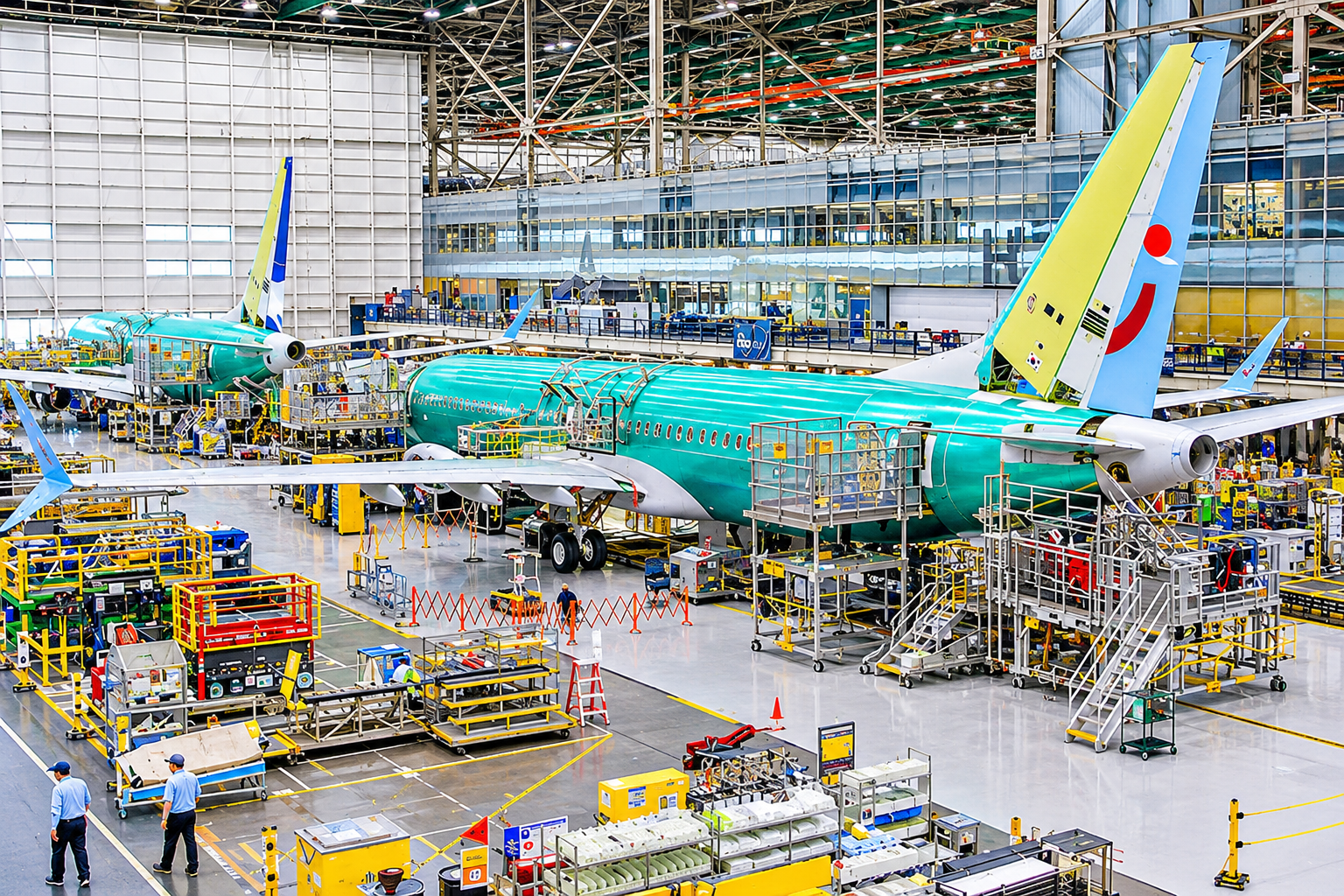
Ford’s new Louisville manufacturing architecture raises the integration stakes. Instead of moving a largely complete body through one conventional sequence, the plant will build three major sections in parallel: front and rear structures plus a central platform incorporating the structural battery and interior elements. The sections are joined later in the process.
Ford says this “assembly tree” can reduce production time and complexity. The Fathom architecture also has 20% fewer parts and 50% fewer connections than a typical vehicle program, according to a technical description of the Louisville conversion. Fewer components can reduce potential failure points, but the three parallel streams still must receive conforming parts in the right sequence and converge within compatible tolerances.
Ford discontinued the Escape and Lincoln Corsair as it converted Louisville for the new system, so the factory transition has already displaced established production before Fathom reaches customers. The company is relying on the platform and manufacturing changes to improve its electric-vehicle economics after Model e recorded a $1.1 billion quarterly loss before interest and taxes on $1.2 billion in revenue.
The arrival of Michigan-made cells means a critical Fathom component is now entering line-build validation from its planned domestic source. The program’s harder test is still ahead: synchronizing battery packs, outside suppliers and Louisville’s unfamiliar assembly process closely enough to deliver repeatable quality at volume and preserve both the fourth-quarter 2027 schedule and the promised $28,350 starting price.
| More aerospace and engineering stories, right in your MSN feed. Follow AMI on MSN |
By Thomas Caldwell — AMI’s senior editor for mechanical and mobility engineering, covering vehicle electronics, systems integration, electrification, chassis systems, propulsion, and safety policy.