Cheap Drones Erode Sahel Governments’ Multimillion-Dollar Air Advantage
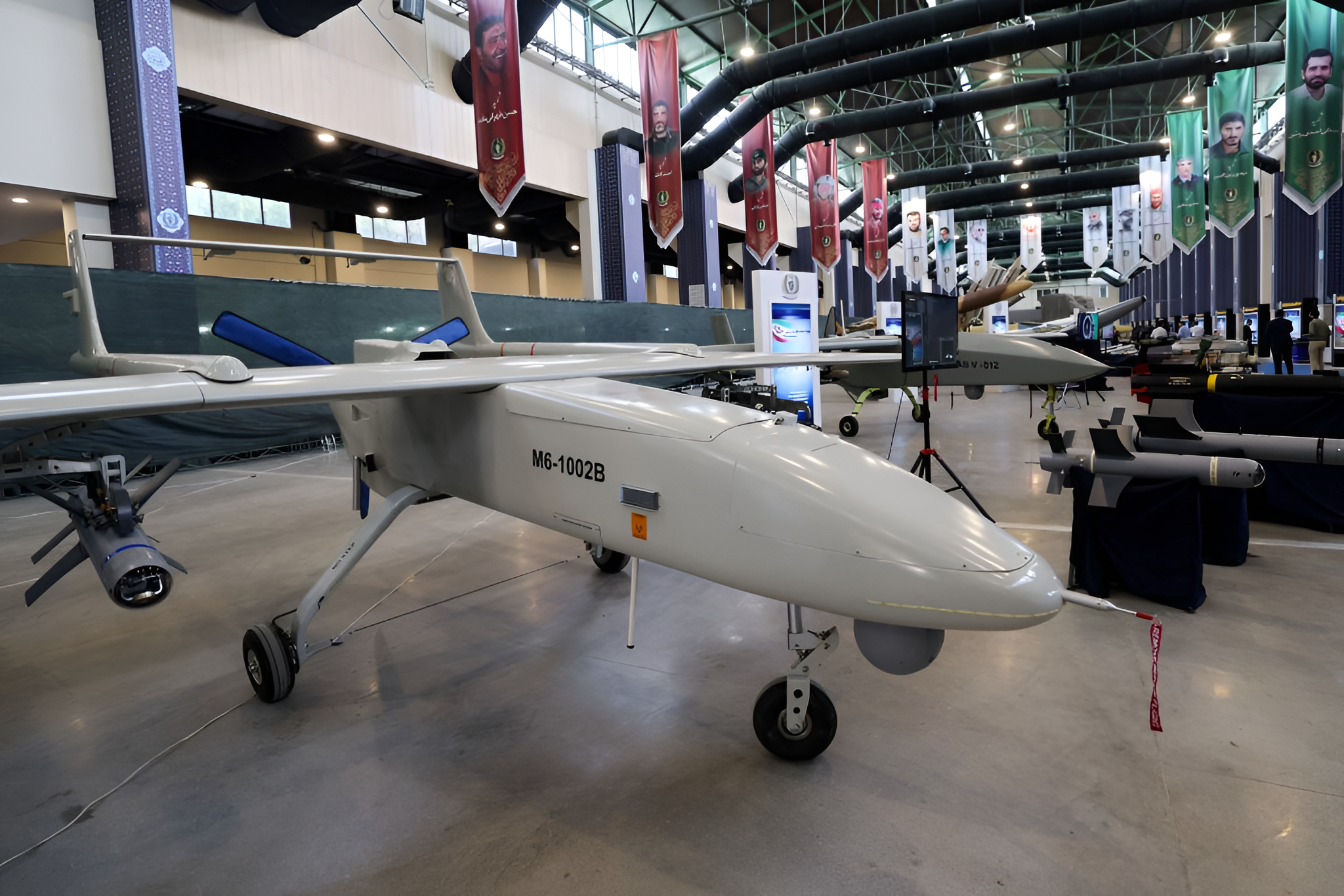
A drone costing a few hundred dollars now poses a credible threat to military aircraft, airfields and infrastructure worth millions across the Sahel. Armed groups in Mali, Burkina Faso, Niger and neighboring countries are using commercial first-person-view drones to weaken an advantage governments once largely took for granted: control of the air.

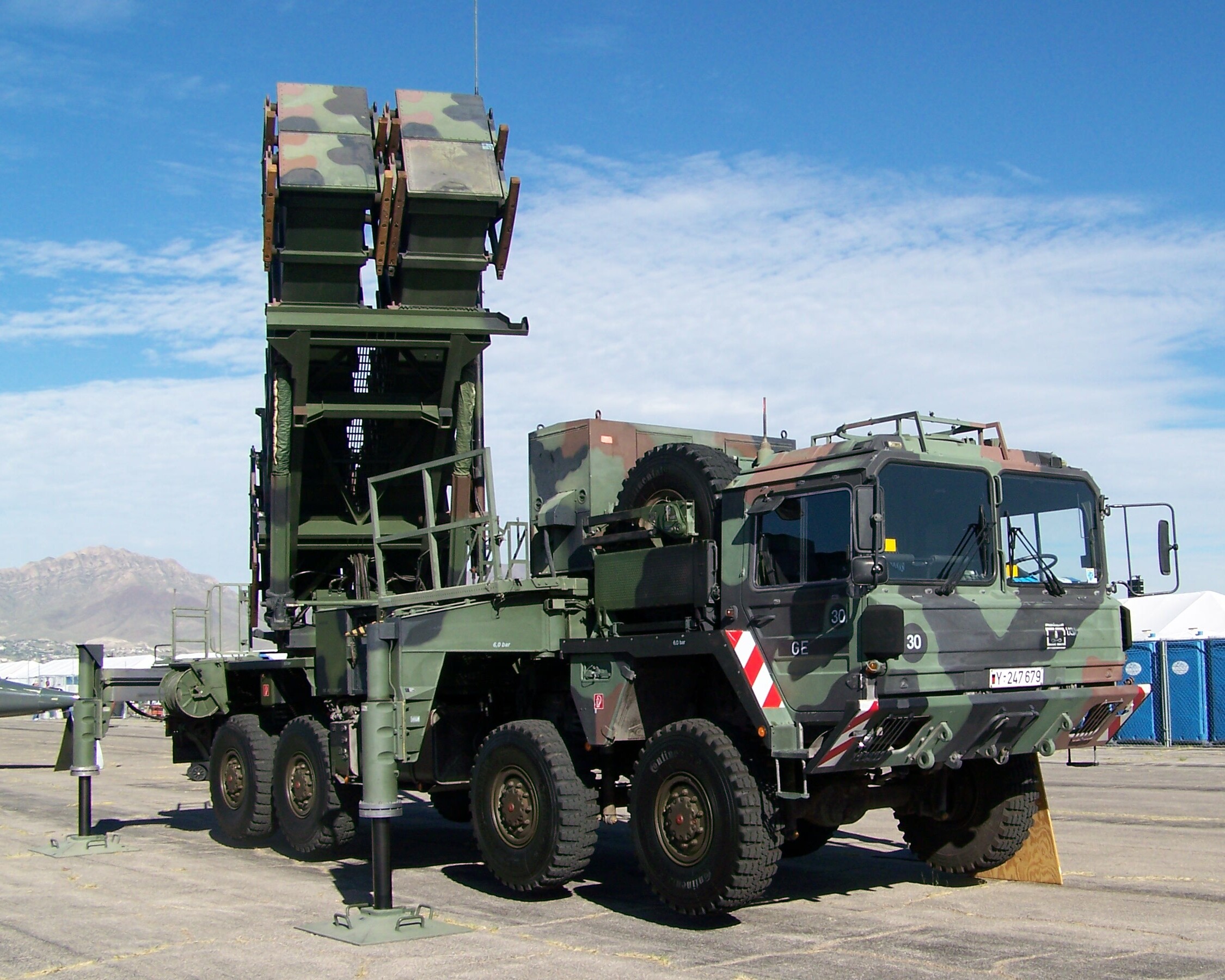
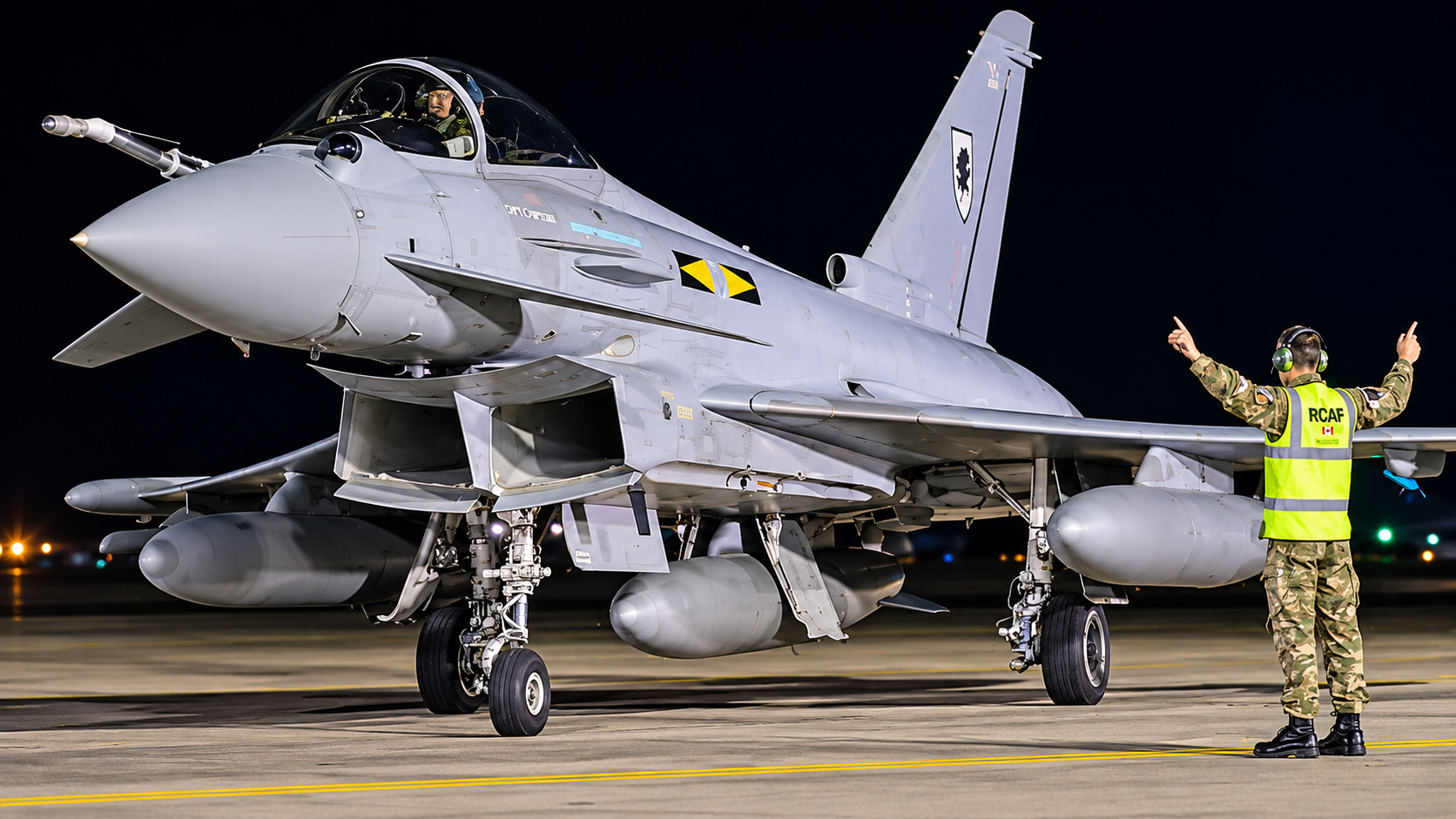
The comparison is stark. Regional governments operate fighter jets, attack helicopters and larger Turkish- and Chinese-made drones, including Bayraktar, Wing Loong and CH-4 aircraft. Their opponents do not need comparable fleets to disrupt aviation operations or force additional protection around aircraft, fuel facilities and other valuable assets. Cheap drones create the threat without reproducing the capabilities of a conventional air force.
Previously unpublished data from the Armed Conflict Location & Event Data project illustrates how quickly that pressure has grown. The organization counted 187 drone attacks by al Qaeda affiliate Jama’at Nusrat al-Islam wal-Muslimin from 2023 through mid-November 2026. Its annual count rose from 81 in 2025 to 96 through mid-November 2026. When the Azawad Liberation Front and its predecessors are included, ACLED recorded 235 attacks across four West African countries. Islamic State West Africa Province has used attack drones 15 times since 2024, mostly during clashes with Nigeria’s military.
The cost imbalance is more consequential than the price of an individual aircraft. Aviation readiness depends on exposed support systems: parked aircraft, maintenance areas, fuel storage, communications and the ability to launch and recover missions reliably. A low-cost drone does not have to match a fighter or helicopter in speed, range or payload to impose delays, consume defensive resources or make operators reconsider where valuable equipment can be safely kept.
That changes the meaning of air superiority. Governments may still possess the region’s most capable aircraft, but ownership of advanced platforms no longer guarantees uncontested use of the airspace immediately around bases and infrastructure. Gold mines, fuel depots, pipelines, ports and even distant capitals are also within the broader protection problem documented across the region.
Defensive coverage has lagged behind the expanding threat. A study cited by Reuters documented interception, jamming or surface-to-air missile responses in only 10 of 245 strikes. A related Africa Center for Strategic Studies assessment described dedicated counter-drone responses in just 4% of more than 240 attacks in the Sahel.
Those figures point to an integration gap rather than a simple shortage of weapons. Counter-drone protection requires detection, identification, command decisions and an appropriate response to work as one system. No single sensor or defensive method covers every small drone, and defenses must operate without unnecessarily disrupting friendly aircraft, communications or civilian activity near airports and populated areas.
Procurement patterns add to the imbalance. African military drone fleets have generally emphasized imported, long-endurance aircraft designed for persistent surveillance and longer-range missions. Those systems remain useful, but they are expensive, comparatively scarce and supported through specialized logistics. Commercially derived small drones follow a different model: they are inexpensive, numerous and replaced or modified quickly.
Reliability therefore has two meanings in this contest. Governments need high-value aircraft to remain serviceable and available over long operating lives. Armed groups can accept losses among low-cost drones as long as enough systems remain available to sustain pressure. Each attempted interception can also raise the defender’s costs, particularly when the response relies on equipment designed for larger or more valuable airborne threats.
Mali’s foreign minister, Abdoulaye Diop, has called adaptation to drone attacks a critical issue for the country’s armed forces. The challenge extends beyond purchasing counter-drone equipment. Militaries must connect protection systems with training, maintenance, airfield procedures and resilient infrastructure while preserving the availability of their existing aviation fleets.
Governments retain greater resources, heavier aircraft and access to a wider range of unmanned systems. Yet the emerging balance favors organizations able to field cheap equipment rapidly and repeatedly. In the Sahel, a few-hundred-dollar drone no longer needs to defeat a multimillion-dollar aircraft in aerial combat to reduce its value; merely forcing that aircraft and its supporting infrastructure into a permanent defensive posture can erode the air advantage it was bought to provide.
| More aerospace and engineering stories, right in your MSN feed. Follow AMI on MSN |
By Stephen Wallace — Editor for AMI’s aerospace integration and unmanned mobility coverage, focused on drone manufacturing, VTOL systems, autonomous networks, and air-ground mobility links.