


Russia Imports 70,000 Tons of Jet Fuel as Aviation Supply Tightens
About 70,000 tons of imported aviation fuel is the latest measure of pressure on Russia’s refining and fuel-distribution system. Ukraine’s Defense Intelligence agency said three tankers delivered Jet A-1 from South Korea and Egypt during August, with some of that fuel documented aboard Russian Il-76MD-90A military transport aircraft. The claim comes from an intelligence service belonging to a party in the conflict and has not been independently confirmed.

The reported imports are notable because Russia is a major oil producer, yet it is buying finished aviation fuel while restricting fuel exports to protect domestic supply. Refinery disruptions have reduced available output across several fuel categories, while military aviation and civilian airlines continue drawing from the broader production and distribution network. Russia’s jet-fuel export ban is scheduled to remain in place through November 2026.
Ukraine’s intelligence agency identified three August shipments. It said the tanker Astoria carried almost 11,000 tons from Ulsan, South Korea, to Vladivostok. Hanna and Capibara reportedly moved a combined 59,000 tons from Egypt’s El Dekheila port to St. Petersburg. The agency characterized the vessels as part of Russia’s so-called shadow fleet and said companies in Russia, the United Arab Emirates, South Korea and Egypt participated in the transactions.
Why the Il-76 fuel substitution matters
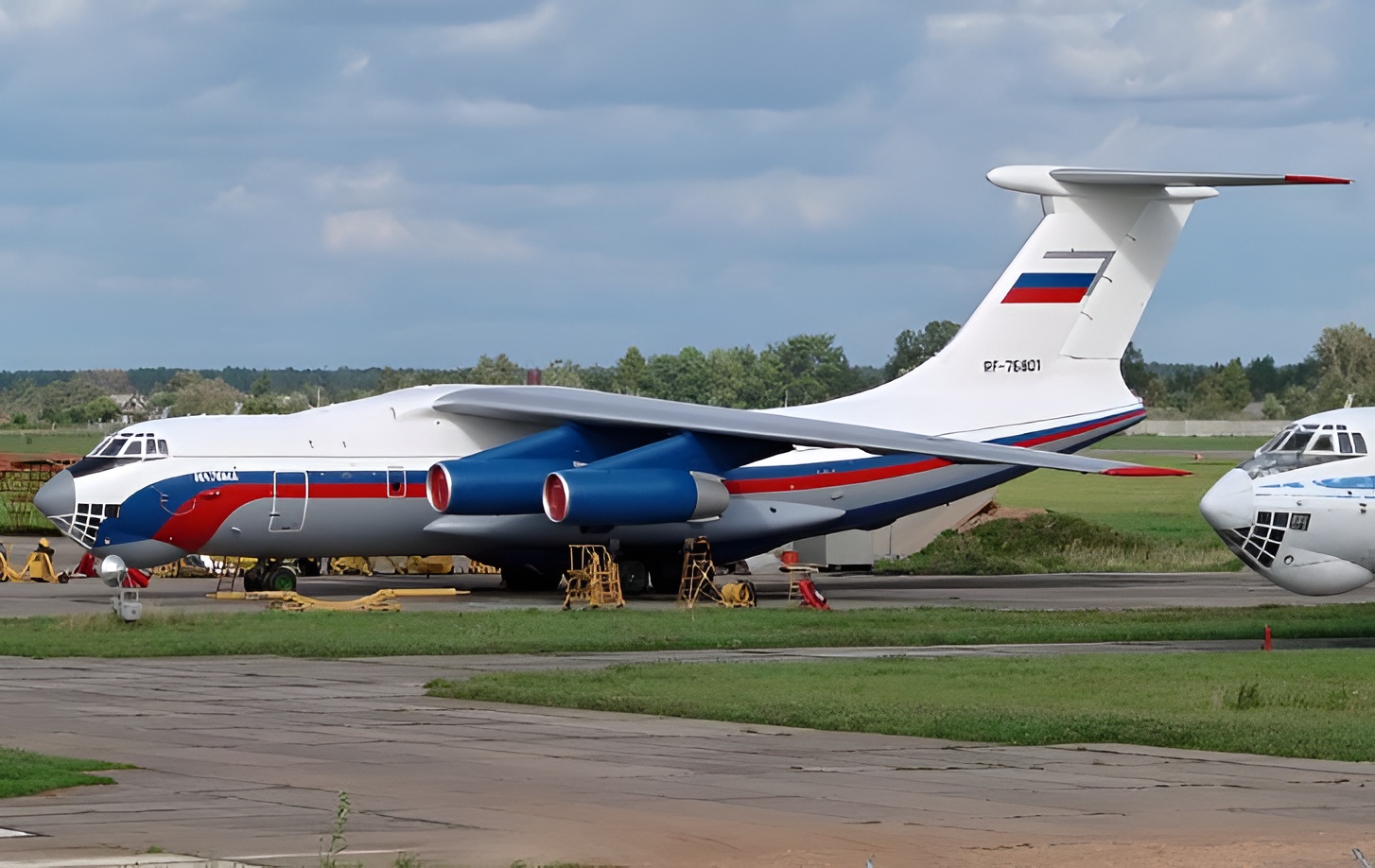
The most consequential part of the claim is not simply that fuel entered Russian ports. It is the reported use of imported Jet A-1 by Il-76MD-90A transports powered by PS-90A-76 engines, even though TS-1 is the aviation kerosene specified for the aircraft.
That does not establish that the transports are operating outside approved requirements. Fuel suitability remains subject to aircraft and engine specifications, and the available information does not describe the approval, handling or qualification process behind the reported substitution. It does show why access to a broadly available imported fuel can become a logistics tool when the preferred domestic product is under pressure.
The Il-76MD-90A supports military logistics by carrying personnel, weapons and equipment. Maintaining fuel availability for that fleet therefore protects transport capacity even when domestic production is disrupted. Imported Jet A-1 may be helping Russia preserve operations rather than indicating that its aircraft are close to being grounded.
Ukraine’s intelligence agency also said Jet A-1 can be used by several Russian combat-aircraft types and by the jet-powered Geran-4 and Geran-5 uncrewed aircraft. Those assertions broaden the possible demand base, but they do not show how the imported fuel was allocated beyond the reported Il-76 use. Nor do they establish the operating status or fuel stocks of any individual aircraft fleet.
Imports buy resilience, not independence from the problem
Fuel substitution and overseas purchasing are signs of adaptability. Russia can use ports, commercial intermediaries and imported finished products to offset some lost refinery output. That provides a buffer between refinery disruption and a direct reduction in flying activity.
But importing finished aviation fuel adds distance, handling and coordination to a supply chain that would otherwise be served domestically. It also forces planners to balance demand among military operators and civilian airlines. A 70,000-ton delivery can relieve immediate pressure without resolving the underlying production shortfall, particularly if refinery disruption persists or consumption remains high.
The pressure extends beyond aviation. Reuters reported in late August that Russian gasoline production had fallen to around 70% of estimated demand. Russia responded by increasing imports and restricting exports. A later Reuters report on fuel-export restrictions said domestic shortages had been exacerbated by refinery strikes, although some proposed extensions had not yet been officially announced at that point.
Export controls are an industrial-management response: keeping more domestically produced fuel inside the country can protect essential users, but it cannot create refinery capacity. Imports can cover part of the gap, although their usefulness depends on continued supply, transport availability and compatibility with the receiving aviation fleets.
What the shipments do not prove
The reported deliveries do not demonstrate an immediate loss of Russian military flying capability. No confirmed evidence presented here shows that Il-76 transports or other aircraft have been grounded for lack of fuel. The stronger conclusion is narrower: disruption to domestic refining appears to have reached aviation logistics deeply enough that imported Jet A-1 is reportedly being used to sustain a military transport fleet specified for TS-1.
How long that arrangement will last remains unknown. Further shipments have not been established, and the eventual readiness effect will depend less on one month’s imports than on whether domestic production recovers or overseas fuel becomes a recurring requirement. That duration is now the key measure of whether the 70,000-ton delivery was a temporary buffer or the start of a more persistent aviation-supply dependency.
| More aerospace and engineering stories, right in your MSN feed. Follow AMI on MSN |
By David Whitaker — Associate editor for AMI’s aerospace and drone systems desk, translating flight systems, aircraft programs, spaceflight, and UAV developments into accessible technical stories.




