


2027 Silverado Specs Make 5.7-Liter V8 Towing Leader Despite Lower Power
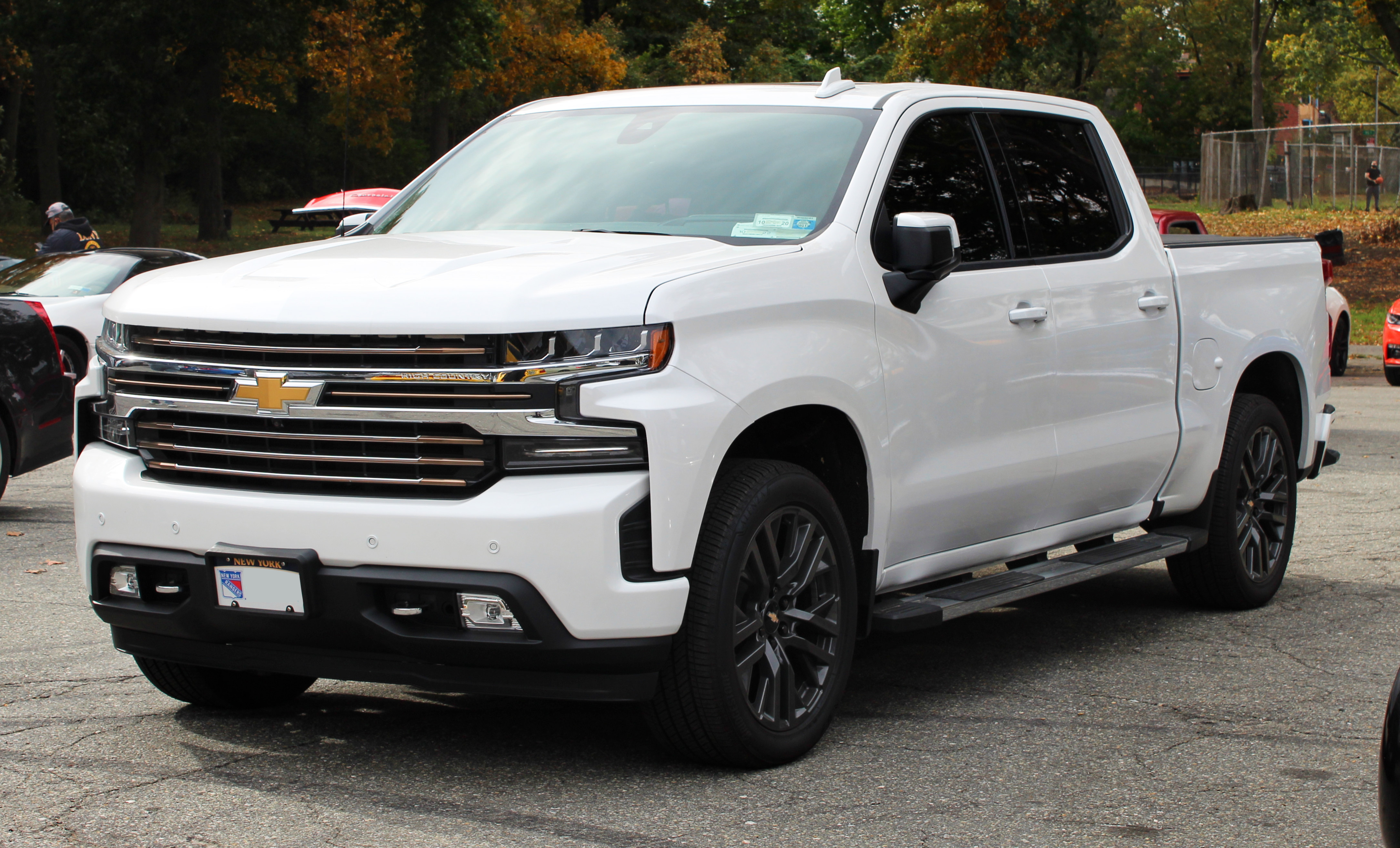
The 2027 Chevrolet Silverado 1500 presents a counterintuitive split between engine output and work ratings. Its new 5.7-liter V8 produces 402 horsepower and 428 pound-feet of torque yet can tow up to 13,700 pounds. The larger 6.6-liter generates 481 horsepower and 501 pound-feet, but its maximum towing rating is 9,700 pounds, while maximum payload falls from 2,170 pounds with the 5.7-liter to 1,510 pounds with the 6.6-liter.

GM has also detailed a clean-sheet wet-sump lubrication system for the 6.6-liter and an extensive preproduction test program intended to improve durability and manufacturing quality. The engineering changes are substantial, and more than 200 engines at different build stages have reportedly been undergoing laboratory testing as development teams work toward more than 2.4 million kilometers of road validation. Neither redesigned hardware nor preproduction testing, however, can establish long-term reliability under customer use. That requires field data accumulated across time, mileage, climates and duty cycles.
The specification comparison shows why horsepower alone cannot identify the best engine for a truck buyer’s intended workload. GM’s published 2027 Sierra specifications similarly rate the 5.7-liter at up to 13,500 pounds of trailering, compared with 13,700 pounds for the Silverado. The corresponding Sierra payload figures are 2,140 pounds for the 5.7-liter and 1,450 pounds for the 6.6-liter.
Tow and payload limits are ratings for a complete vehicle configuration, not direct measurements of engine strength. Trim equipment, curb weight, suspension setup, tires, cooling, axle configuration and other hardware can affect the final number. The available information does not isolate one factor as the cause of the 6.6-liter’s lower ratings. What it does establish is the practical result: the highest-output V8 is not the maximum-towing or maximum-payload V8 in either truck.
Clean-sheet oiling targets flow, cleanliness and efficiency
The 6.6-liter’s lubrication system remains a conventional wet-sump arrangement rather than the dry-sump layout used in GM’s Corvette application, but its internal architecture was redesigned. Larger lifter galleries increase the available oil-flow paths, while dual feeds supply the main bearings. GM also specified machined oil passages to improve manufacturing cleanliness rather than relying only on as-cast passage surfaces.
An oil cooler is integrated into the oil-pan assembly, and a continuously variable displacement oil pump adjusts its delivery to operating demand. A conventional fixed strategy must protect for high-load conditions even when the engine does not need maximum flow or pressure. Varying pump displacement can reduce parasitic work during lighter operation while retaining additional delivery when loads rise. That potentially supports both efficiency and lubrication performance, although real-world durability results are not yet available.
Both new V8s carry an eight-quart oil capacity with a filter and specify dexos1 full-synthetic SAE 0W-30. The 6.6-liter also uses a higher 12.5:1 compression ratio, a larger throttle body, a redesigned intake and a fuel system combining direct and port injection. Those changes help explain its output increase, but they also make fuel choice part of the ownership tradeoff.
The stronger V8 recommends premium fuel
The published Silverado and Sierra owner’s manuals recommend gasoline rated at 91 octane or higher for the 6.6-liter. Regular 87-octane gasoline is permitted when premium is unavailable, but GM warns that it may be used, but will result in reduced performance and driveability. GM has not published a separate horsepower rating for operation on 87 octane, so the magnitude of that reduction remains unresolved.
By contrast, the 5.7-liter V8 specifies regular gasoline rated at 87 octane or higher. That creates a recurring operating-cost distinction, particularly because the 6.6-liter is paired with a standard 34-gallon tank. The difference in cost per fill depends on local fuel prices, but owners seeking the engine’s intended performance and drivability will need to account for premium fuel at every full refill. None of the listed gasoline engines supports E85 or FlexFuel, and permitted ethanol content is capped at 15%.
The 6.6-liter remains the output leader and is offered in high-end or specialized configurations, including the Silverado ZR2 and High Country and the Sierra AT4X and Denali; it is standard in the Sierra Denali Ultimate. For buyers prioritizing the published work ratings, however, the 5.7-liter is the consequential specification: it tows 4,000 pounds more and carries 660 pounds more payload in the highest-rated Silverado configurations, while accepting regular gasoline.
| More aerospace and engineering stories, right in your MSN feed. Follow AMI on MSN |
By Thomas Caldwell — AMI’s senior editor for mechanical and mobility engineering, covering vehicle electronics, systems integration, electrification, chassis systems, propulsion, and safety policy.




