


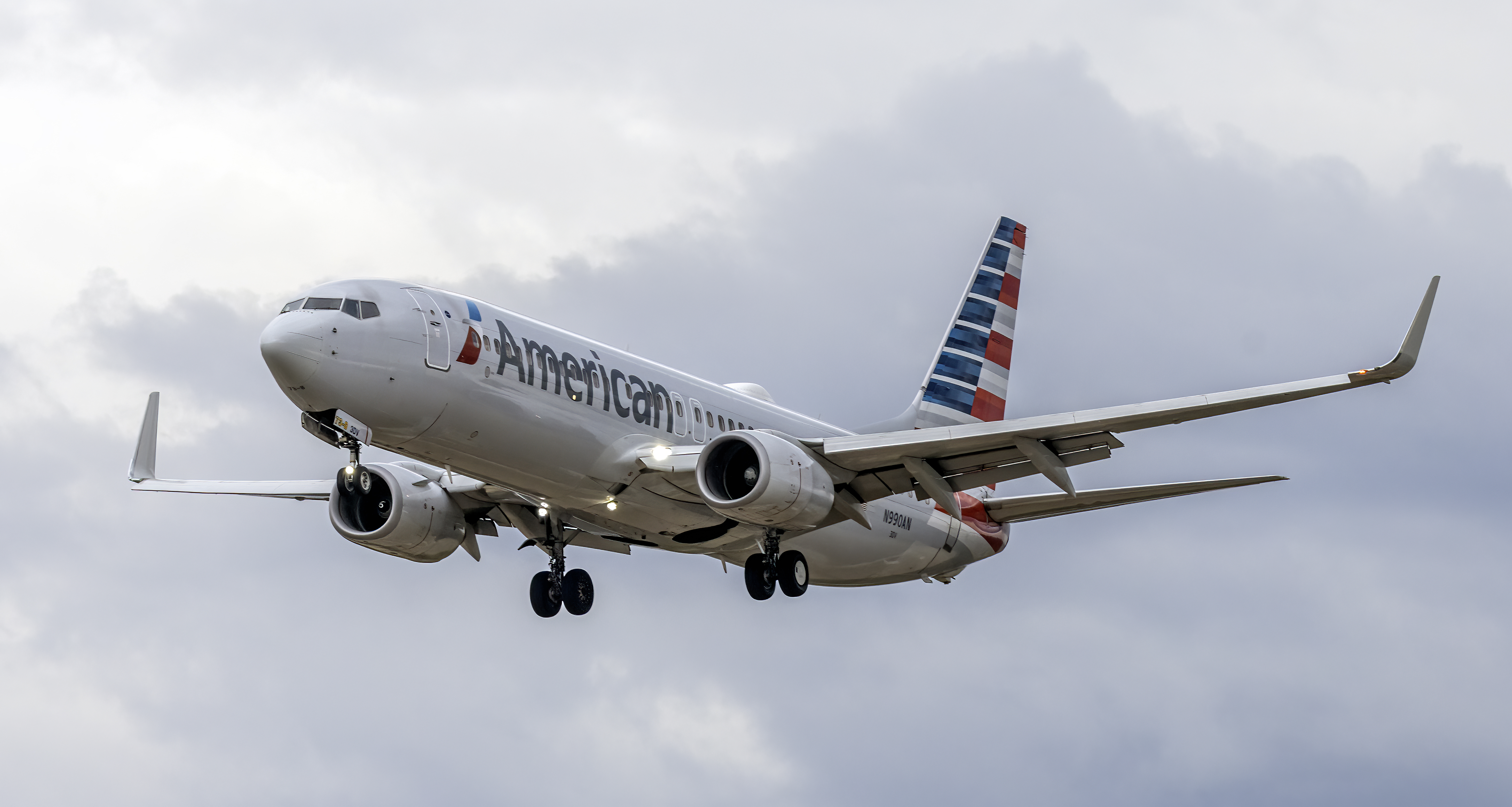
American Airlines Resumes Departures After 45-Minute Nationwide Ground Stop
American Airlines resumed departures after restoring system connectivity that had prompted a nationwide ground stop lasting about 45 minutes. The disruption was brief, but its reach was broad: American flights that had not already taken off were held on the ground across the country.

The Federal Aviation Administration issued an advisory identifying an information-technology outage as the reason for the hold. The restriction applied to American Airlines departures, while aircraft already airborne were not reported as being grounded or otherwise affected.
American described the disruption as a “technology issue” that “briefly impacted connectivity” for some systems. The airline later announced, “Connectivity has been fully restored,” and flights began departing again. It credited its employees with bringing the systems back online quickly and apologized to customers for the inconvenience.
That confirmed sequence is narrow but significant: connectivity was disrupted, departures were held nationwide, the affected connections were restored and the operating restriction ended. It demonstrates how a problem affecting unspecified airline technology can rapidly become a network-wide operational constraint, even when recovery takes less than an hour.
The failed component remains unidentified
American did not identify which systems lost connectivity, what caused the disruption or whether an outside technology provider was involved. There is also no disclosed corrective action beyond restoring connectivity. Those omissions prevent a more specific engineering assessment of the outage.
Modern airline operations depend on numerous connected functions, but the available information does not establish whether this event involved dispatch, crew management, reservations, maintenance records, communications or another platform. Naming any one of those systems as the source would be speculation. Likewise, the nationwide scope of the ground stop does not by itself reveal whether one component failed centrally, several systems lost a shared connection or operators imposed a broad restriction while technicians assessed the problem.
The operational response is easier to define than the technical fault. A ground stop keeps covered departures at their origin rather than allowing more aircraft to enter an operating network during a disruption. In this case, the FAA advisory said American flights not already airborne were being held because of the outage. That does not establish a flight-safety failure, and American and federal officials did not report one.
A short outage can have a wide operating reach
From a systems-integration perspective, the event illustrates the difference between outage duration and outage scope. Forty-five minutes is a relatively short restoration interval, yet the restriction applied nationwide. A quickly repaired connectivity problem can therefore have an immediate operational effect well beyond the location of the underlying technical fault if there was a single location at all.
The scale of the resulting passenger disruption cannot be determined from the information released. American did not quantify delayed or canceled flights, identify affected airports or state how many passengers were inconvenienced. It also did not describe whether any effects continued after departures restarted. Those figures would be necessary to measure the outage’s full operational cost or compare it meaningfully with other airline technology disruptions.
Restoration also answers only the immediate availability question. A fuller technical account would need to identify the affected systems, the initiating fault, the behavior of any redundant connections and the measures taken to reduce recurrence. None of those details has been released.
For passengers, the visible result was a nationwide pause followed by a relatively quick restart. For engineers and operational planners, the unresolved issue is more fundamental: an unspecified loss of connectivity was sufficient to stop one of the country’s largest airline networks from launching flights for about 45 minutes, and the dependency that produced that reach remains undisclosed.
| More aerospace and engineering stories, right in your MSN feed. Follow AMI on MSN |
By Thomas Caldwell — AMI’s senior editor for mechanical and mobility engineering, covering vehicle electronics, systems integration, electrification, chassis systems, propulsion, and safety policy.




