


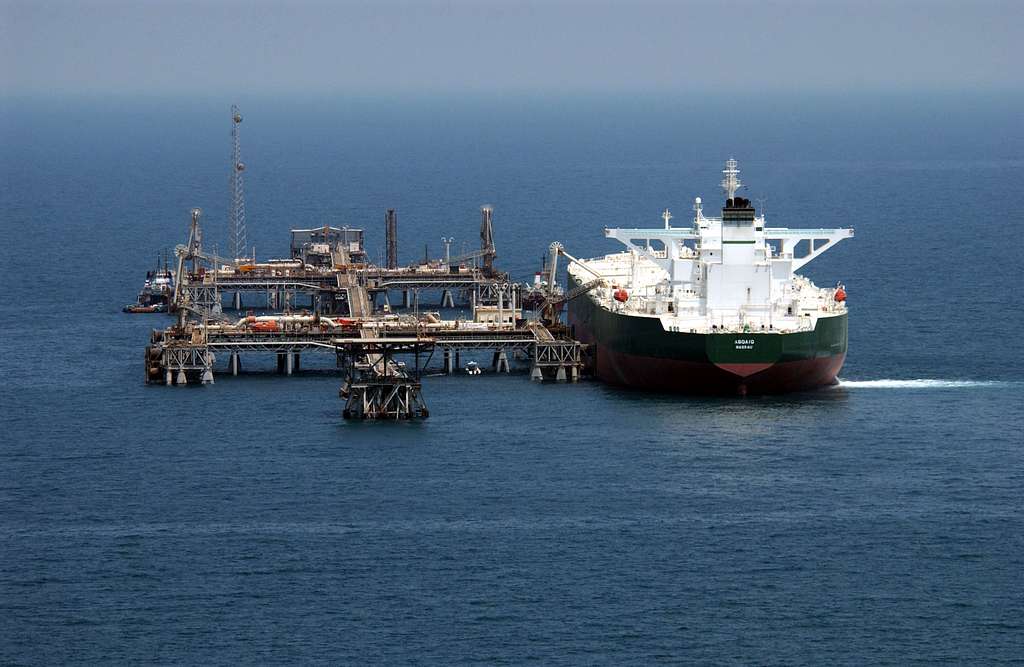
Hormuz Oil Flows Fall to 11.62 Million Barrels a Day
Oil flows through the Strait of Hormuz averaged 11.62 million barrels per day in the week to October 13, according to Kpler figures carried by Reuters. That was 5.53 million barrels per day below the stated baseline of 17.15 million a reduction of roughly 32% through one of the world’s most important energy corridors.

Kpler attributed the decline to tanker-traffic disruption following Iranian strikes on vessels in the strait. The throughput loss coincided with higher crude prices: Brent was trading at $105.48 per barrel and West Texas Intermediate at $97.40 at the measured point. Both had retreated from earlier weekly highs but remained above the previous Friday’s levels.
The figures describe a logistics constraint as much as a supply problem. Oil can be available at fields, terminals or storage sites and still struggle to reach buyers if too few suitable tankers can move through the required route at an acceptable level of risk and cost. That constraint feeds into charter rates, insurance costs, vessel scheduling and the price premium attached to uncertain delivery.
A large corridor with limited bypass capacity
The Strait of Hormuz connects the Persian Gulf with the Gulf of Oman and Arabian Sea. The U.S. Energy Information Administration describes it as one of the world’s most important oil chokepoints, noting that it carried about 20 million barrels per day in 2024 around one-fifth of global petroleum-liquids consumption.
Some oil can bypass the strait through pipelines in Saudi Arabia and the United Arab Emirates, but the available margin is much smaller than the measured flow decline. The EIA estimated in 2025 that approximately 2.6 million barrels per day of capacity could be available on those countries’ bypass pipelines during a disruption. Even if all of that estimated spare capacity were usable, it would cover less than half of the 5.53-million-barrel per day gap reported for the week to October 13.
That comparison also illustrates why nameplate pipeline capacity is not the same as immediately available relief. Bypass systems already carry routine volumes, while terminals, pumping systems and downstream shipping arrangements must all accommodate additional flow. Moving crude to a different coast changes where tankers load, how voyages are scheduled and which refineries can receive cargoes on time.
Emergency barrels address volume, not the tanker bottleneck
The International Energy Agency moved to accelerate approximately 100 million barrels in remaining deliveries from the 400-million-barrel emergency release agreed in March 2026. In its October 7 update, the agency said roughly 325 million barrels had already been released and that completing outstanding pledges would bring approximately another 100 million barrels to market.
For scale, 100 million barrels equals about 18 days of the reported 5.53-million-barrel daily Hormuz shortfall. The comparison is illustrative rather than a direct replacement schedule: reserve releases occur across multiple countries, products and delivery systems. They can add physical supply and support refiners, but they do not restore disrupted passage through Hormuz or create additional tanker capacity where ships are scarce.
A proposed easing of U.S. sanctions on some shadow-fleet tankers was also discussed as a way to reduce record-high freight rates. ING analysts questioned whether those vessels would provide meaningful additional availability because many were already operating. Continuing European Union sanctions could also complicate insurance.
Other barriers extend beyond sanctions. Commercial tanker employment generally depends on acceptable vessel condition, classification, insurance, maintenance, crewing and management arrangements. Reuters reported that analysts expected only limited capacity to enter mainstream trade because many affected vessels lacked the certification and insurance normally required by established charterers.
The market was also absorbing an 8.56-million-barrel decline in U.S. crude inventories for the week to October 9. Against that backdrop, ING’s commodity team said uncertainty over whether Hormuz flows could be sustained was creating a significant risk premium. Analysts Warren Patterson and Ewa Manthey said continued improvement could remove some of that premium, while full removal would require an agreement between the United States and Iran.
The immediate engineering and logistics test is therefore sustained throughput, not a one-day rise in vessel counts or an announced volume of emergency oil. Until tanker passages remain consistently higher, reserve barrels, bypass pipelines and proposed additions to the fleet can ease parts of the constraint without closing a 5.53-million-barrel per day corridor gap.
| More aerospace and engineering stories, right in your MSN feed. Follow AMI on MSN |
By Thomas Caldwell — AMI’s senior editor for mechanical and mobility engineering, covering vehicle electronics, systems integration, electrification, chassis systems, propulsion, and safety policy.



