Russia Builds 126-Soccer-Pitch Jet-Drone Base in Just Six Weeks
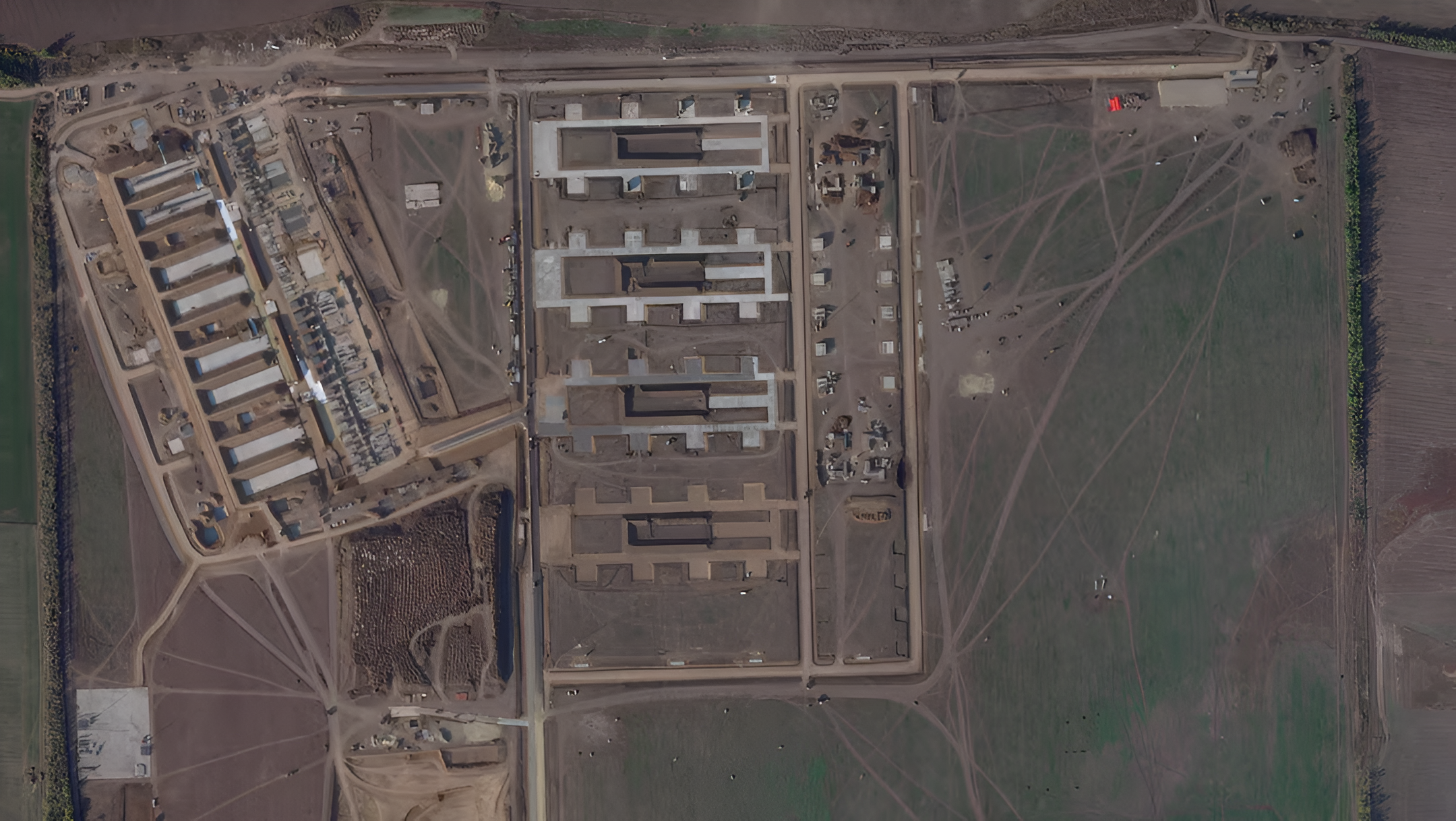
A field in southwestern Russia with no visible construction on August 31 became a nearly completed jet-drone launch complex in six weeks. Commercial satellite images supplied by Planet Labs and Airbus show the Rostov-region facility expanding to about 0.9 square kilometres roughly the area of 126 soccer pitches.
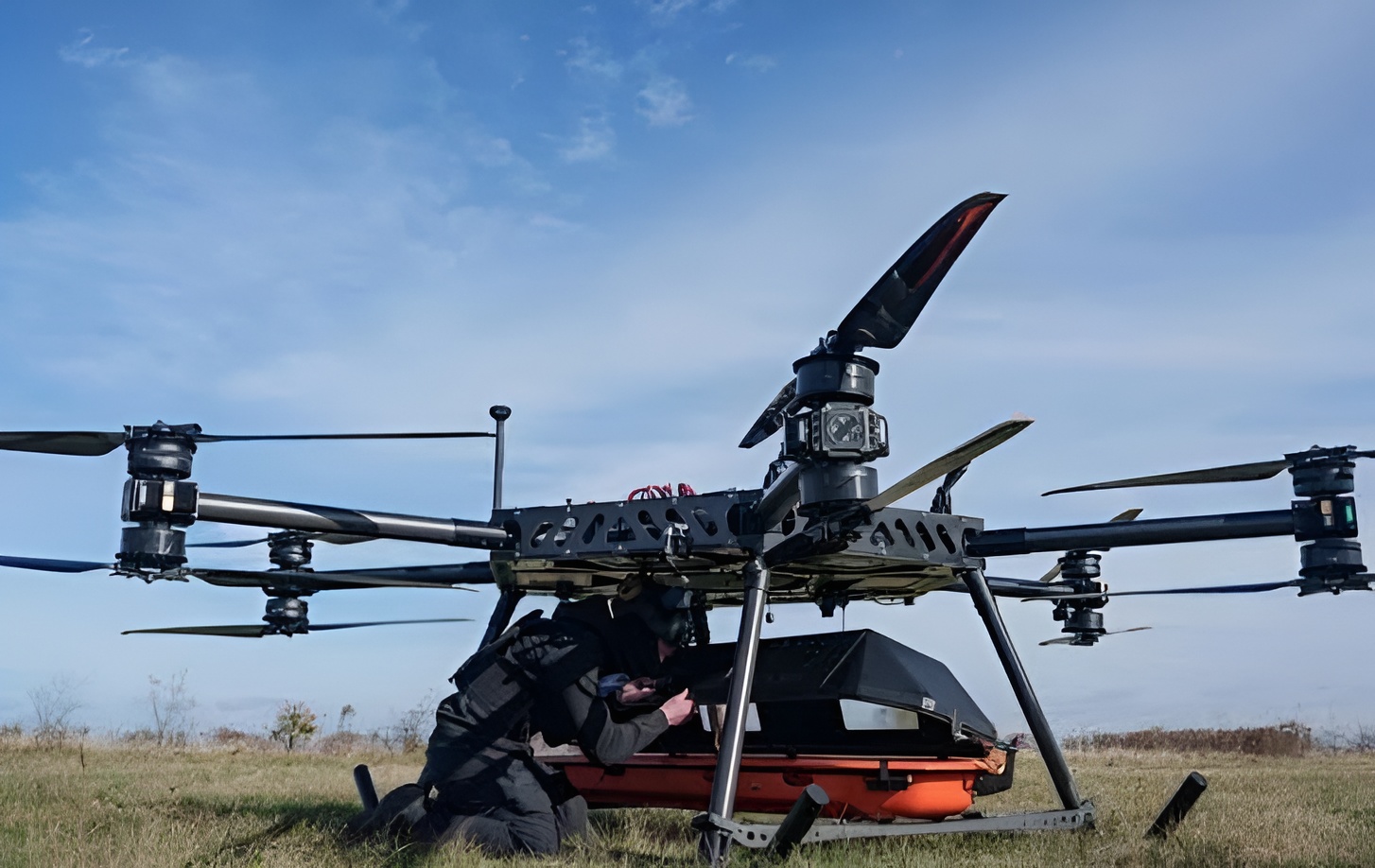
The unusually fast build matters because analysts assess that the site is designed to launch newer Geran-4 and Geran-5 jet-powered attack drones. These aircraft can reach speeds of up to 600 kilometres per hour, placing them beyond the practical reach of some of Ukraine’s low-cost interceptor drones and potentially adding capacity before heavier winter attacks expected by Kyiv.
What the images establish
Reuters’ analysis found that work began the morning after the August 31 image. Later views showed eight platforms along the complex’s western edge. Two platforms had rails installed, while rails were under construction on two others.
Mike Monnik, founder and CEO of intelligence specialist DroneSec, assessed that the platforms were intended for launch rails capable of supporting the Geran-4 and Geran-5. Rob Jordan, a programme director at the Royal United Services Institute, separately said the concrete pads and two possible rails appeared consistent with launch tracks for Geran drones.
Those visible features support the identification of the site as launch infrastructure, but satellite images alone do not establish its final operating capacity. Monnik estimated that it might support 100 or more jet-drone launches over 24 hours, depending on available aircraft, supplies and mission objectives. He assessed that the complex was close to completion and could become operational within weeks or sooner.
The facility stands about 3.5 kilometres from Millerovo air base and would join a network of at least 11 fixed Russian drone-launch sites identified by Monnik. Russia’s defence ministry did not immediately respond to questions about the construction or its jet-drone programme.
Speed changes the interception problem
The new infrastructure is arriving alongside a shift in the aircraft it may support. Ukrainian military data previously reported by Reuters indicated that Russian employment of jet-powered attack drones increased roughly six-fold over three months during the summer. Kyiv and its surrounding region were targeted most heavily during that period.
Propulsion is the critical distinction. Ukraine’s interceptor drones were developed largely to defeat slower piston-powered aircraft. A jet-powered target closes distance more quickly, reduces warning time and shortens the period in which a defender can detect, classify and engage it. Ukraine’s Ministry of Defence similarly reported in September that faster drones were reducing available response time, even as the country’s air defences intercepted more than 4,700 drones and missiles during the month.
That creates a cost and capacity problem as much as a pure performance problem. Affordable interceptor drones help conserve conventional air-defence ammunition against large numbers of slower aircraft. When an incoming drone is too fast for that interceptor class, defenders may need to rely on other aircraft or air-defence assets that are harder to scale and more expensive to operate.
A launch base does not automatically produce aircraft, crews or a sustained sortie rate. Its output will depend on manufacturing, transportation, maintenance and the supply of jet engines, electronics and other components. Even so, turning an empty field into a large, specialized complex in six weeks demonstrates that established designs and construction processes can add fixed launch infrastructure faster than entirely new defensive systems can necessarily be procured, tested and fielded.
Europe’s response remains a systems challenge
European counter-drone planning increasingly treats interception as only one part of a layered response. The European Defence Agency’s Vigilant Shield exercise, held in Portugal from September 28 to October 2, examined coordination among detection, command-and-control, explosive-ordnance and hazardous-material specialists. Its next phases are virtual wargaming in 2027 and live experimentation in 2028.
That schedule illustrates the central tension. Comprehensive counter-drone protection requires sensors, communications, identification, interceptors and safe post-interception procedures to function as one reliable system. Russia’s Rostov complex, by contrast, appeared on commercial satellite imagery in a month and a half.
Kyiv expects intensified jet-drone and missile attacks during the winter. Whether the new site reaches Monnik’s estimated launch potential remains unconfirmed, but its physical scale, visible rails and six-week construction timeline are already established. The immediate imbalance is therefore not a speculative launch count; it is the speed at which offensive infrastructure appeared while Ukraine and European states are still working to scale affordable defences against the faster aircraft it could support.
| More aerospace and engineering stories, right in your MSN feed. Follow AMI on MSN |
By Stephen Wallace — Editor for AMI’s aerospace integration and unmanned mobility coverage, focused on drone manufacturing, VTOL systems, autonomous networks, and air-ground mobility links.