Novoshakhtinsk Terminal Fire Spreads to Eight Tanks as Trains Resume
A fire at the Novoshakhtinsk refinery’s oil-loading terminal in Rostov-on-Don was reportedly still burning for a fourth day on October 14, extending the consequences of a suspected drone attack well beyond the initial overnight disruption. Independent outlet Astra reported that the fire had spread to eight of the terminal’s 12 storage tanks, while NASA’s fire-monitoring system detected a blaze at the site, according to The Moscow Times.
The nearby railway disruption proved shorter but immediately measurable. Damage to a bridge had stopped trains in both directions on October 10, affecting at least 25 long-distance passenger trains. Railway authorities reopened both tracks at 7:49 a.m. local time, although 13 passenger trains were still running behind schedule that evening, according to a subsequent account of the service disruption.
Those developments sharpen the central contrast in the incident. The rail network returned to service within hours, albeit with lingering delays, while the terminal fire reportedly continued for days. That separates two forms of industrial recovery: restoring a transport route after inspection and addressing a petroleum fire that may involve multiple storage units, damaged equipment and prolonged restrictions on safe access.
The terminal’s size does not equal the confirmed loss
The facility is a transfer point for petroleum products from the Novoshakhtinsk operation and other suppliers, rather than the refinery’s main processing site. It has a stated design capacity of approximately 2.5 million metric tonnes per year and supports export shipments. That figure establishes the terminal’s scale, but it cannot be converted directly into lost daily or monthly supply.
Nameplate capacity describes a planned or maximum annual handling level. It does not establish how heavily the terminal was being used when the fire began, how much product was present, or whether unaffected equipment remained available. No confirmed assessment has quantified the loss of loading capacity, identified which transfer systems were damaged or established whether shipments could be rerouted.
The reported involvement of eight storage tanks suggests a wider firefighting and inspection burden than an isolated fire, but tank count alone still does not measure throughput loss. Storage, pumping, loading and transport connections perform different functions. A terminal can face severe damage in one area while retaining limited capability elsewhere, or it can lose operations because a shared utility or loading interface is unavailable. No detailed operational assessment has established which condition applies here.
Rail reopening does not erase the network effect
The two-way rail suspension demonstrated how damage in the same industrial area could affect passenger movement as well as petroleum logistics. Trains could not simply pass the damaged bridge until railway authorities cleared both tracks, and delays continued after the physical route reopened as operators worked through displaced schedules.
Rail bridges carry repeated concentrated loads and require controlled track alignment. Even when service is restored quickly, operators may need structural checks before allowing normal traffic to resume. Authorities did not publish a detailed engineering assessment of this bridge, and the available information does not establish whether it directly handles terminal shipments.
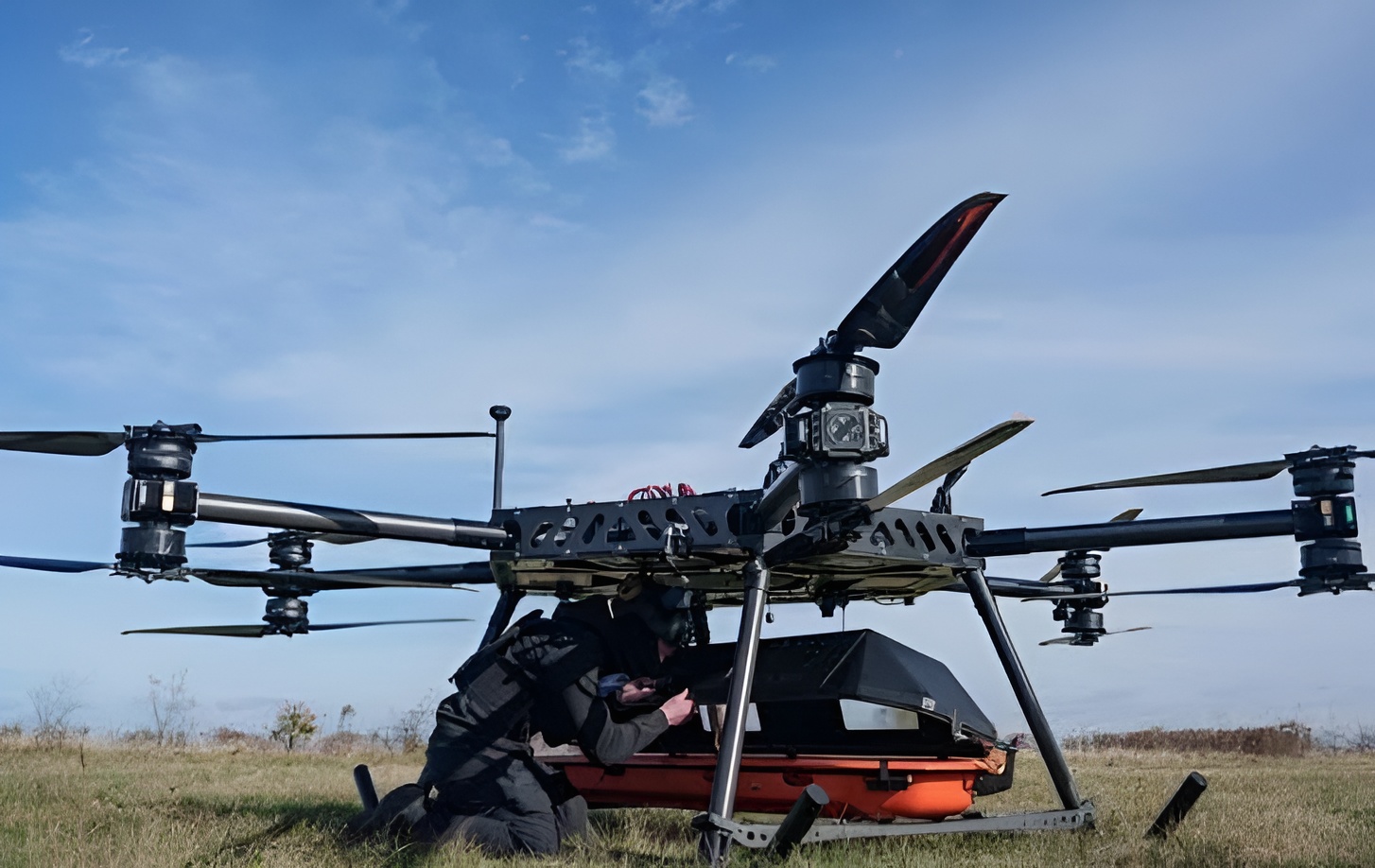
Rostov Governor Yuri Slyusar said regional air defenses had intercepted more than 50 unmanned aircraft from the previous evening into October 10. That remains an official Russian claim that has not been independently verified, and responsibility for the reported attack had not been conclusively established. The number also cannot show how many drones were launched, where individual aircraft were headed or what caused each instance of damage.
At the systems level, the episode shows why interception totals are an incomplete measure of protection. Industrial districts combine storage facilities, rail links, roads, utilities and populated areas. Emergency services and transport operators must manage the consequences even when authorities report numerous successful interceptions.
The railway’s reopening supplied one firm recovery milestone. The terminal’s operating status remains the larger uncertainty: a facility designed to handle about 2.5 million tonnes annually reportedly had fire across eight of 12 tanks four days after the incident, yet no verified figure showed how much petroleum-handling capacity was actually unavailable.
| More aerospace and engineering stories, right in your MSN feed. Follow AMI on MSN |
By Stephen Wallace — Editor for AMI’s aerospace integration and unmanned mobility coverage, focused on drone manufacturing, VTOL systems, autonomous networks, and air-ground mobility links.