Navy’s $16.7 Million Super Hornet Shutdown Plans for 2040s Support
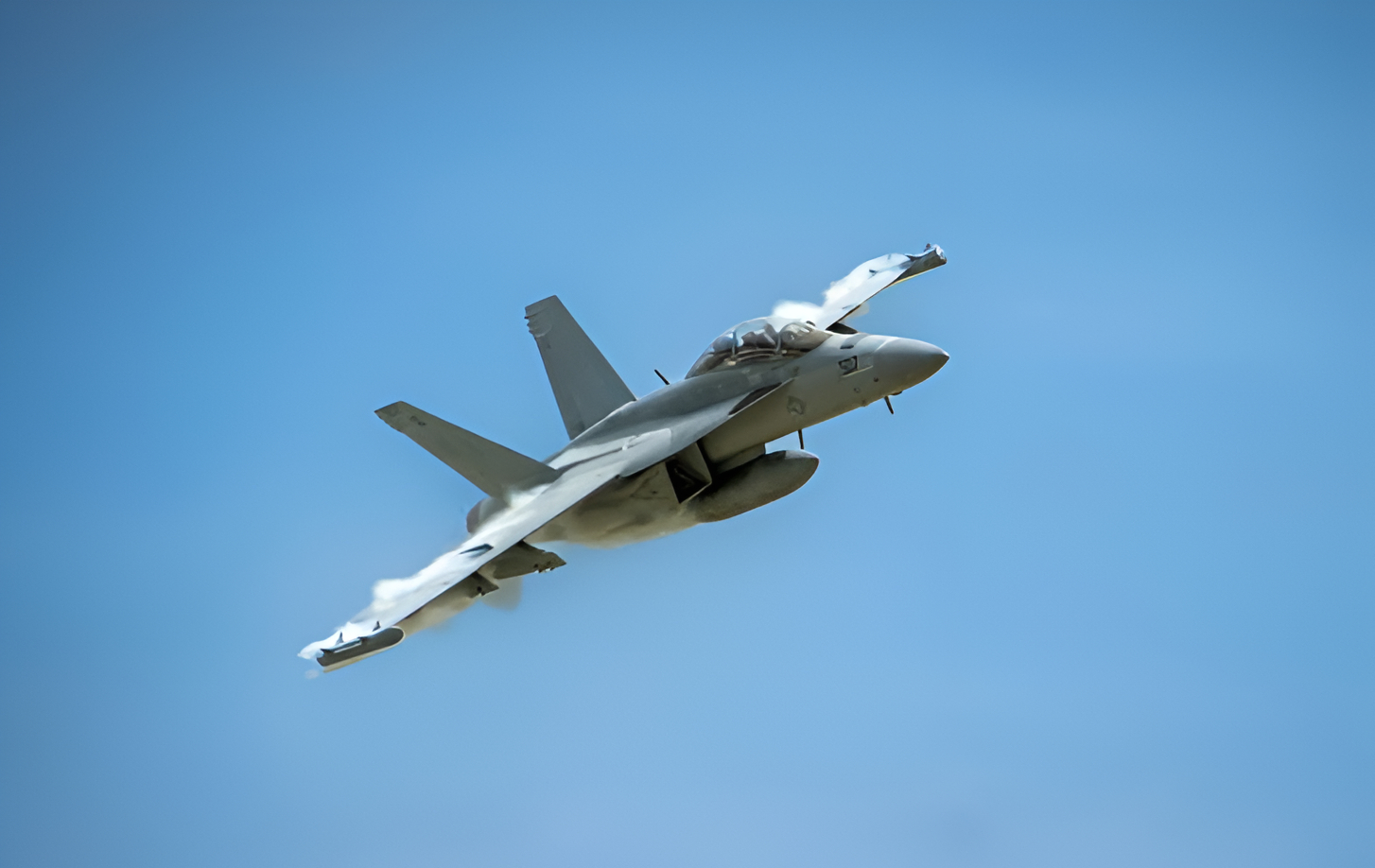
The U.S. Navy is paying Boeing $16,667,607 to close the F/A-18E/F Super Hornet and EA-18G Growler production lines without discarding equipment and technical resources that could be needed by aircraft still flying in the 2040s. The firm-fixed-price order covers planning, engineering, analysis and program management rather than additional fighters.

The work is expected to continue through November 2030. That extended schedule reflects a less visible phase of aircraft manufacturing: deciding what should happen to specialized tooling and government-owned equipment after serial production ends.
A shutdown is an engineering project
Boeing must inventory and assess government property associated with the two production lines. It will recommend which assets should be retained, stored or disposed of, then deliver a master property inventory and disposition plan. Naval Air Systems Command is the contracting activity.
Aircraft tooling can include fixtures, gauges, handling equipment and other purpose-built resources used to hold, form, inspect or verify components. The order does not identify which individual items will remain available. Determining that narrower support set is a central part of the work Boeing is being paid to perform.
Keeping every production asset would preserve capability, but at a continuing cost. Tooling occupies space, needs accurate identification and documentation, and may require environmental protection or periodic maintenance. Discarding too much creates the opposite risk: a later repair, upgrade or replacement-part requirement could demand new equipment or a more difficult manufacturing process.
The practical goal is therefore smaller than maintaining a dormant fighter factory but more substantial than clearing the buildings. The Navy needs enough physical capability and technical knowledge to support the fleet without carrying the expense of a complete production system that is no longer building new aircraft.
Government ownership makes the process more formal. Boeing cannot independently dispose of federally owned assets when assembly ends. Each item must be identified, evaluated and assigned a recommended outcome such as retention, storage, return or disposal. The $16.7 million order buys that controlled transition and the analysis behind those decisions.
Production ends before shutdown work does
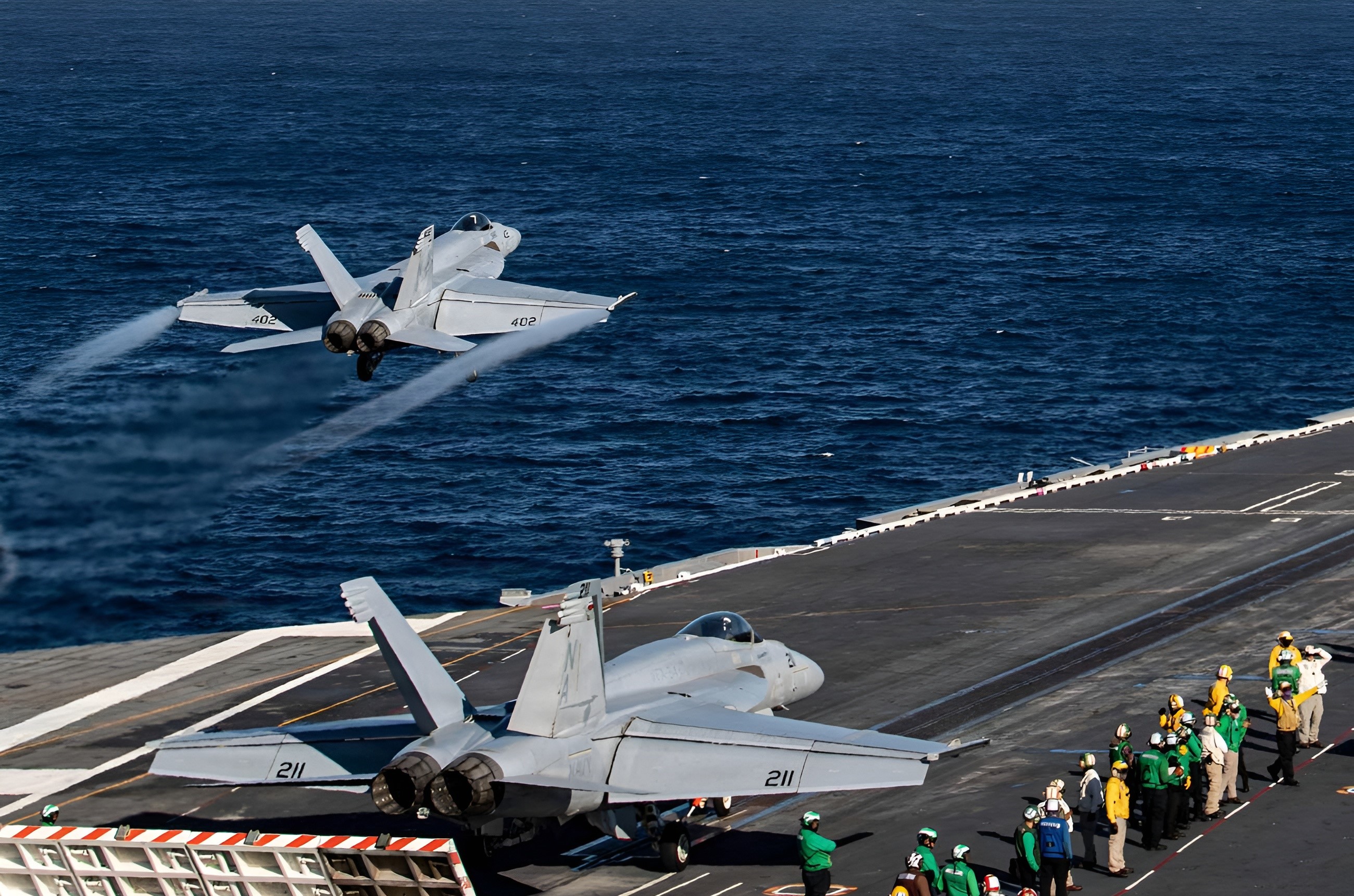
The Navy ordered its final 17 Super Hornets in 2024 under a contract worth approximately $1.1 billion. That batch includes 10 two-seat F/A-18F Lot 46 aircraft, two F/A-18F Lot 47 aircraft and five single-seat F/A-18E Lot 47 aircraft. Deliveries are scheduled to begin in winter 2026 and conclude no later than spring 2027.
Shutdown work will consequently run for more than three years after the last Navy aircraft is due. The gap does not represent continued fighter production. It covers the property accounting, engineering review and disposition planning that follow the last delivery.
The effort also extends beyond Boeing’s final-assembly operation. About 60% of the work is expected to occur in St. Louis, Missouri, with 37% in El Segundo, California, and 3% in Bethpage, New York. That distribution shows how a production line reaches into a wider network of structures, equipment and technical support.
The final-aircraft contract included a technical data package for supporting the fleet after manufacturing stops. Data and tooling solve different portions of that problem. Drawings and specifications describe parts and processes, while retained fixtures and inspection equipment can preserve the physical means to perform selected work. Neither one alone recreates the workforce, suppliers and facilities required for full-rate aircraft production.
New fighters do not remove the old fleet’s support needs
The Navy’s F/A-18 and EA-18G program office is already confronting the sustainment demands of aging aircraft. A 2026 Naval Air Systems Command account said the team expanded depot repair capability ahead of schedule while addressing persistent readiness problems, including supply bottlenecks, material shortages and technical obsolescence. Those pressures explain why tooling choices made during shutdown can have operational consequences years later.
Boeing has also been selected to develop the Navy’s next-generation carrier fighter, with first production aircraft expected in the 2030s. Yet the transition will not be a simple one-for-one replacement. The Navy still plans to acquire more than 270 carrier-capable F-35 jets, which are expected to operate alongside the new fighter, while the Super Hornet fleet remains in service into the 2040s.
The final Super Hornet delivery will end aircraft production, but not the Navy’s dependence on the industrial knowledge behind it. Until November 2030, Boeing’s shutdown team will be deciding how much of that manufacturing foundation must survive for jets expected to fly a decade or more after their assembly line disappears.
| More aerospace and engineering stories, right in your MSN feed. Follow AMI on MSN |
By David Whitaker — Associate editor for AMI’s aerospace and drone systems desk, translating flight systems, aircraft programs, spaceflight, and UAV developments into accessible technical stories.