


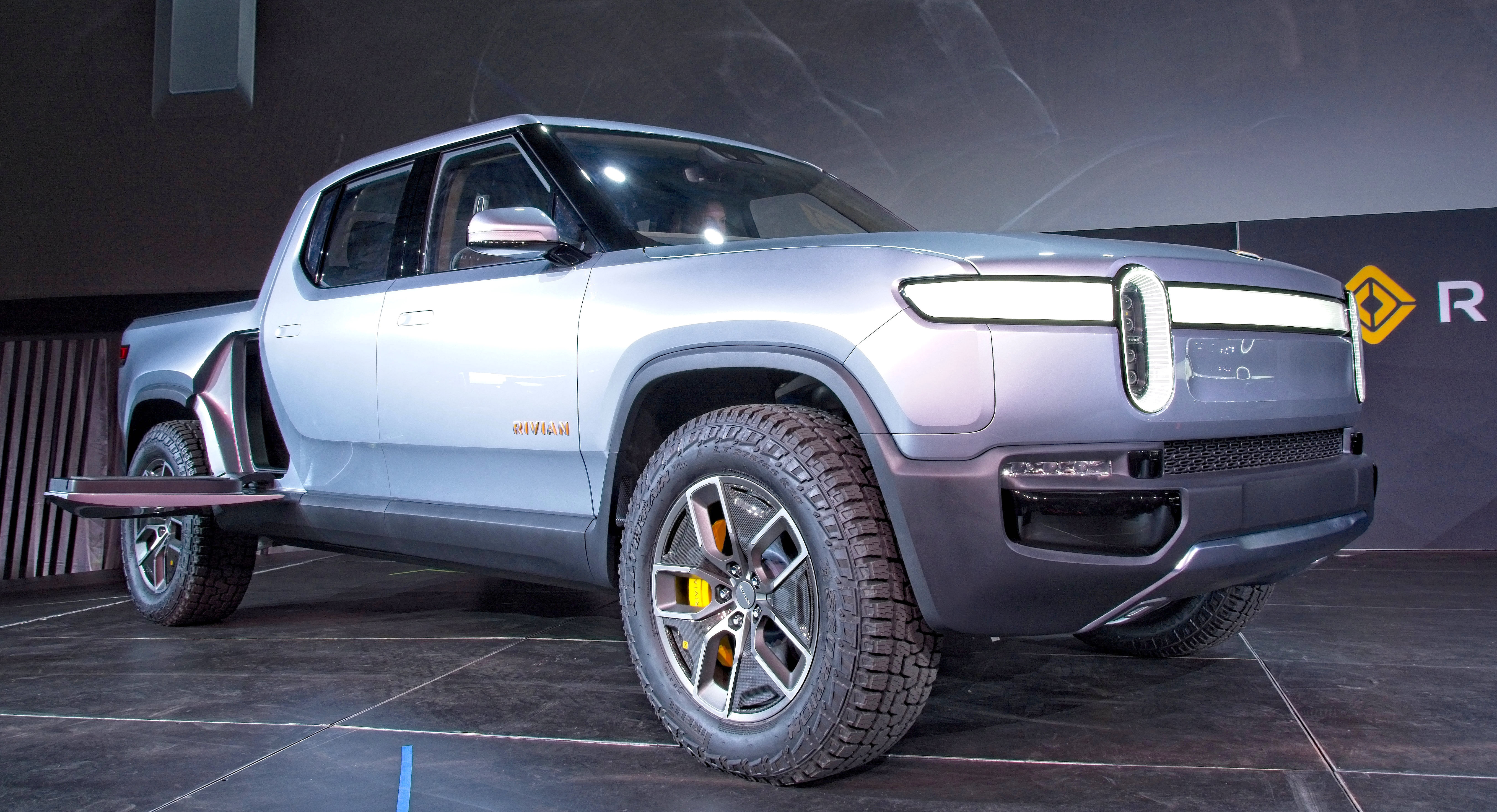
7,173-Pound Rivian R1T Broke Through Guardrail, Raising Electric-Vehicle Safety Questions
A guardrail does more than stop a vehicle. It must deform in a controlled way, absorb energy and redirect the vehicle without allowing it to pass through, roll over or encounter an abrupt deceleration. A 7,173-pound Rivian R1T that broke through a commonly used steel guardrail has raised concerns that those interactions can change when a vehicle combines high mass with a low center of gravity and a rigid underfloor battery structure.

The October 2023 test was conducted by the University of Nebraska–Lincoln’s Midwest Roadside Safety Facility. According to the university’s account of its electric-vehicle barrier research, the 2022 Rivian tore through a 31-inch-high system made from 12-gauge corrugated steel. The result focused attention on whether roadside barriers developed around conventional vehicle designs will consistently contain and redirect a changing vehicle fleet.
Why weight does not explain the entire result
The Rivian’s weight is the conspicuous variable. Standard barrier evaluations cited by the researchers use vehicles ranging from an approximately 2,400-pound passenger car to a 5,000-pound pickup. At 7,173 pounds, the electric truck carried substantially more mass than the pickup normally representing the heavy end of that test range.
More mass at a given speed means more kinetic energy for the barrier and vehicle structure to manage. But total weight alone cannot describe where forces enter the rail, whether the vehicle rides over or under it, or how sharply it is redirected. Vehicle height, front-end geometry, suspension behavior and the vertical position of the center of gravity all influence the contact.
Electric vehicles commonly place a large, structurally rigid battery pack beneath the passenger compartment. That arrangement lowers the center of gravity, which can improve resistance to rollover, but it also concentrates considerable mass low in the chassis. Researchers say this combination can change the loads imposed on a barrier and the way the vehicle deflects after contact.
A separate test involving a roughly 3,838-pound Tesla Model 3 illustrates why the issue cannot be reduced to exceptionally heavy electric pickups. The Tesla did not break the rail in the same manner as the Rivian; it lifted the barrier and passed beneath it. One vehicle presented a containment problem associated with far greater mass, while the lighter car exposed a different compatibility problem involving geometry and low mass placement.
A stronger barrier produced a different tradeoff
Not every Rivian test ended in a breakthrough. In a later test, a 7,000-pound R1T traveling at 62 mph struck a 32-inch-high portable concrete barrier at a 25-degree angle. The setup substituted the Rivian for the 5,000-pound conventional pickup normally prescribed while otherwise following the relevant roadside-hardware test requirements.
The concrete system contained and redirected the truck, and the occupant compartment remained intact. Researchers concluded that the Rivian passed the standardized criteria for containment and occupant risk. Yet the barrier sustained extensive damage, with several roughly 5,000-pound sections moving more than 10 feet about 50% farther than their typical displacement.
That result reveals a second design boundary. Containing the vehicle is essential, but a portable barrier also has to protect road workers, nearby traffic and anyone or anything behind it. A system that prevents penetration while moving much farther than expected can still require additional clearance, anchoring or structural capacity in a work zone or on a bridge.
Standards and infrastructure cannot change overnight
The Nebraska program has conducted four electric-vehicle barrier tests since September 2023, and researchers say more testing is needed. The current results do not show that every electric vehicle will defeat existing guardrails, nor that every roadside system requires replacement. Electric vehicles also perform well in established vehicle crashworthiness programs, which address a different question from how an errant vehicle interacts with roadside hardware.
For road agencies, the difficult task is determining which combinations of barrier type, vehicle mass and geometry produce unacceptable outcomes. That requires a broader test matrix before revised standards can identify representative electric cars, pickups and other increasingly heavy vehicles. The growing spread between the lightest and heaviest vehicles further complicates a barrier’s obligation to work without subjecting occupants of smaller cars to excessive forces.
Replacing or modifying guardrails nationwide could ultimately become a multibillion-dollar undertaking, but no national upgrade program or confirmed cost estimate has been approved. The immediate engineering priority is narrower: establish where current systems remain effective, where they need reinforcement or redesign, and which vehicle characteristics future certification tests must represent. The Rivian’s 7,173-pound mass made the problem visible; the Tesla’s different path through a similar rail showed why weight cannot be the only design input.
| More aerospace and engineering stories, right in your MSN feed. Follow AMI on MSN |
By Thomas Caldwell — AMI’s senior editor for mechanical and mobility engineering, covering vehicle electronics, systems integration, electrification, chassis systems, propulsion, and safety policy.




