U.S. Targets 1,000 Annual Space Operations, Requiring More Launch Sites
More than 1,000 spacecraft launches and reentries per year by 2030 is the new federal target for the U.S. space transportation system. Set by a presidential memorandum signed Aug. 20, 2026, that scale would mean supporting nearly three operations per day across a network where 83% of launches currently originate from just three sites.

The target counts both departures and returns, so it should not be read as a call for 1,000 launches alone. Even so, it represents a major infrastructure and traffic-management challenge. The Department of Transportation counted 217 U.S. launches among 329 commercial launches worldwide in 2025. Those figures are not directly comparable because the 2030 goal includes reentries, but they show the operational step-up being contemplated.
Three sites carry most of today’s launch traffic
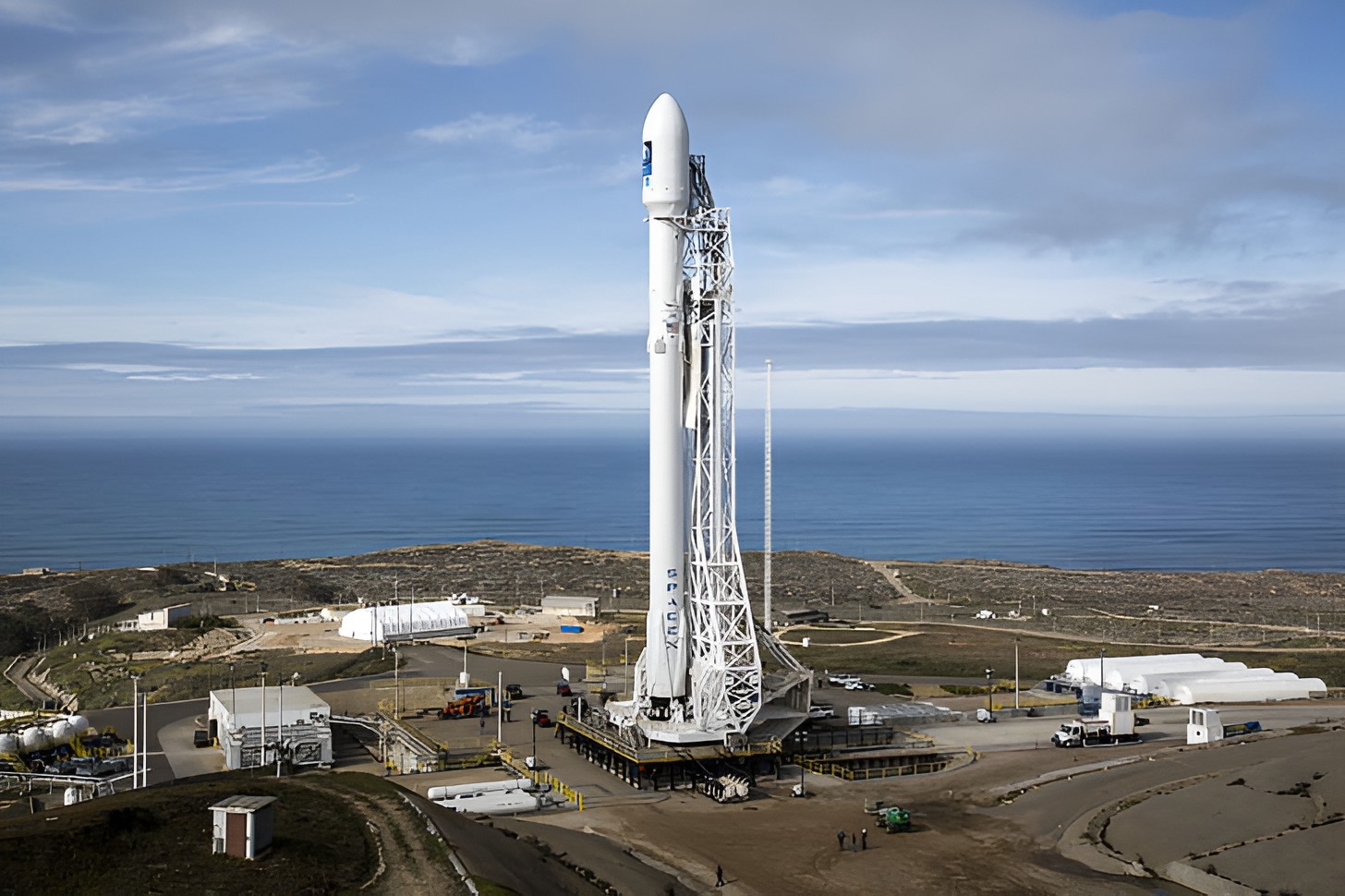
Vandenberg Space Force Base in California, Cape Canaveral Space Force Station and Kennedy Space Center in Florida account for 83% of current launches. That concentration provides established ranges, experienced personnel and mature support systems, but it also places much of the country’s launch capacity in two coastal regions.
Scaling the system therefore involves more than increasing the cadence at existing pads. The memorandum emphasizes additional locations for launch pads and landing zones, while Transportation Secretary Sean Duffy has requested public and industry input on prospective spaceports and possible “priority airspace” for important launch routes.
A spaceport is also more than a cleared pad. It requires licensing, ground infrastructure, payload-processing capability, communications, emergency planning and agreements with air traffic control. The FAA Office of Spaceports supports launch and reentry-site licensing and is leading an interagency effort intended to improve infrastructure, operating consistency and cooperation among federal and commercial facilities.
New locations could distribute demand and make the national network more resilient, but they also shift effects to additional aviation users and nearby communities. Site viability depends on whether launch trajectories, surrounding airspace and ground operations can be managed safely and efficiently not merely on whether land is available.
Shared airspace is the daily systems constraint
Launch and reentry vehicles pass through the same national airspace used by airlines, cargo operators, general aviation and military aircraft. Each operation requires an airspace-management plan that identifies affected areas, communication procedures and contingencies. At a cadence approaching three operations per day, temporary accommodation must increasingly become routine system integration.
The FAA says it has reduced average airspace closures from more than four hours per launch in 2018 to just over two hours, with some areas reopening as quickly as three minutes after a vehicle safely clears the designated aircraft hazard area. Near real time vehicle tracking and more selective rerouting allow the agency to close less airspace and return it to aviation sooner.
Those gains are substantial, but frequency changes the burden. A two-hour restriction is easier to absorb occasionally than repeatedly, particularly near busy coastal routes. Weather delays, launch-window changes and other schedule shifts can also complicate coordination. The FAA already considers factors including timing, location, passenger effects and broader airspace congestion when balancing commercial space operations with other users.
Priority treatment introduces an access question as well as a technical one. Giving selected launch routes priority could improve schedule reliability for nationally important missions, but the displaced time and routing effects are borne by other airspace users. Objective scheduling criteria, data sharing and consultation will be necessary if priority routes are to preserve equitable access rather than simply transfer congestion.
Commercial expansion still needs public-system capacity
The memorandum replaces the 2013 national framework with a more extensively commercial approach. It directs NASA Administrator Jared Isaacman to facilitate commercial transportation to and from the Moon, commercial robotic access to Mars and examination of commercial options for carrying people to and from Mars. It also follows a December order setting a 2028 goal for returning Americans to the Moon through Artemis.
Commercial vehicles, however, still depend on a public regulatory and infrastructure framework. Licensing capacity, range services, air traffic coordination and common safety standards must expand alongside pads and vehicles. Decisions about who funds new or modernized facilities and how commercial operators gain access to federally supported sites will influence whether expansion is both sustainable and fair.
The longer-range expectation is even larger: 10,000 FAA-licensed launches and reentries annually by 2035. Reaching the 2030 target would therefore be an intermediate step, not an endpoint. The next consequential decisions are where new spaceports can operate, which routes might receive priority and whether airspace-management improvements can scale faster than launch demand.
| More aerospace and engineering stories, right in your MSN feed. Follow AMI on MSN |
By Thomas Caldwell — AMI’s senior editor for mechanical and mobility engineering, covering vehicle electronics, systems integration, electrification, chassis systems, propulsion, and safety policy.