


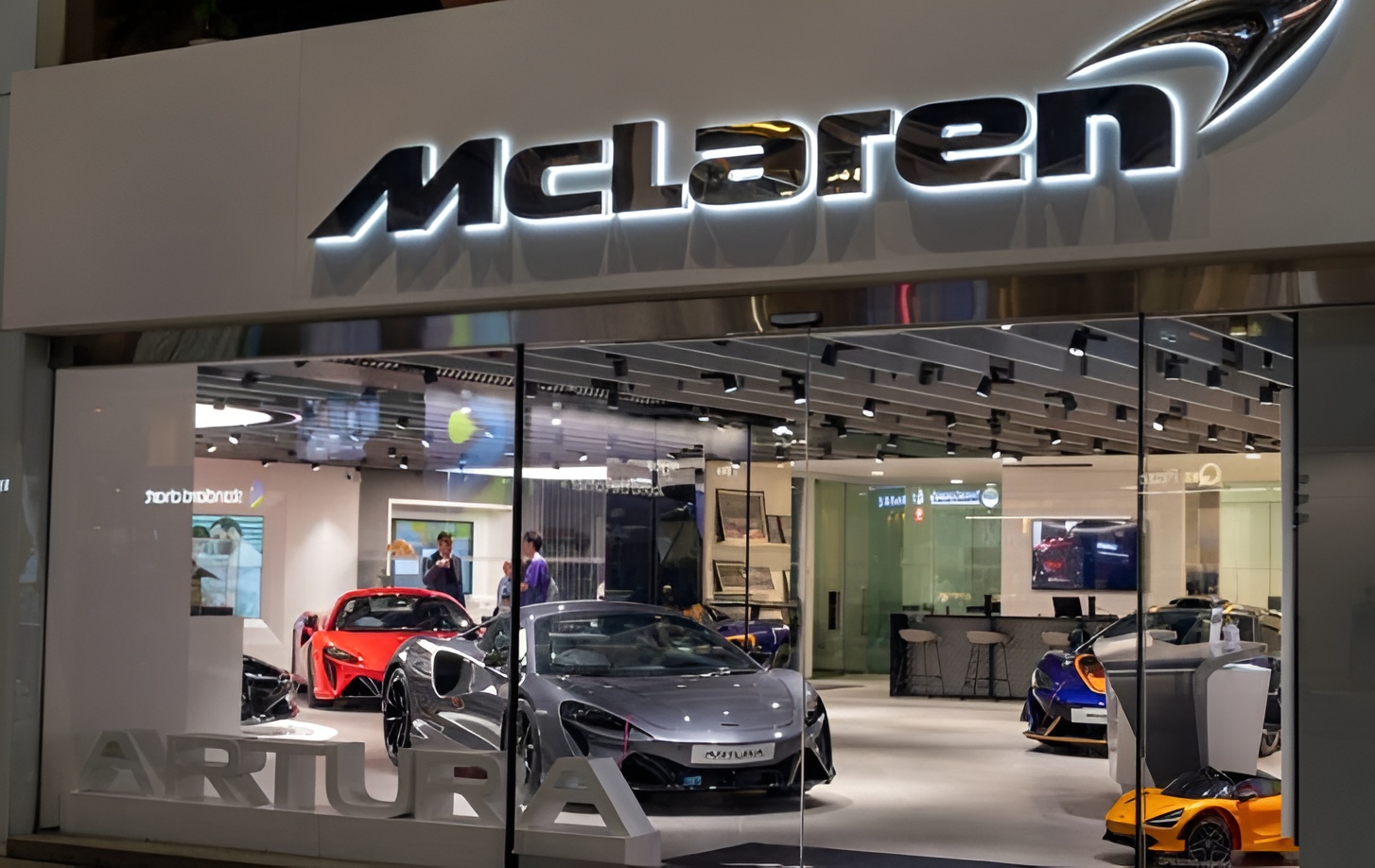
Top Earners Drove 55% of U.S. New-Car Spending in 2024
Fifty-five percent of U.S. new-vehicle spending came from the highest-earning 20% of households in 2024, according to a recent Center for Automotive Research study. That was a record and a sharp increase from 42% in 2019, showing how strongly the new-car market has shifted toward households with the most financial capacity.

The divide has widened even though inflation-adjusted vehicle prices have moderated and broad affordability has improved since the pandemic-era low. The deeper constraint is the combination of a nearly $50,000 average transaction price, the disappearance of inexpensive models and ownership expenses that continue after a buyer leaves the dealership.
Low-priced new cars have nearly vanished
New vehicles priced below $25,000 accounted for less than 2% of U.S. sales in 2025. Researchers found that this category represented a smaller share of the market than vehicles costing more than $95,000. The imbalance also appeared in model availability: nearly twice as many vehicles were offered above $100,000 as below $30,000 that year.
Several familiar lower-priced nameplates, including the Chevrolet Sonic, Chevrolet Malibu and Nissan Versa, have disappeared from the U.S. market in recent years. Their absence reduces the number of entry points for households that want a new vehicle but cannot absorb the payment associated with the market average.
That average remains close to a record. Kelley Blue Book reported that the average U.S. new-vehicle transaction price reached $50,562 in September 2026, just $52 below the record set in December 2025. The relatively modest 0.7% year-over-year increase partly reflected stronger sales of lower-priced vehicle categories, rather than broad price declines across individual models.
Lower real prices have not restored access
Nominal new-vehicle prices are nearly twice their level in the early 2000s, but the increase is much smaller after inflation: about 8%. Inflation-adjusted prices for more affordable vehicles fell 16% over that period. An average-price vehicle required 34.4 weeks of median household income in the second quarter of 2026, down from 40.3 weeks in late 2022.
Those figures indicate improvement from an unusually difficult period, but they do not describe the options available at the bottom of the market. An average can moderate while inexpensive models become scarce. Buyers with limited budgets cannot substitute a lower real price for an entry-level vehicle that is no longer offered.
Household finances add another constraint. Housing, medical and childcare costs have grown faster than vehicle prices over the past two decades. Higher interest rates increase monthly payments and the total cost of financing, while fuel and insurance expenses determine whether a vehicle remains affordable after purchase.
Vehicle complexity raises the cost of ownership
Insurance premiums have risen faster than vehicle prices, partly because modern repairs can involve cameras, radar sensors, sophisticated headlights and electronic calibration. A damaged bumper or replaced windshield may now require restoration of safety-system alignment as well as conventional body or glass work.
The cost tradeoff is more nuanced than the price of an individual repair. The Insurance Institute for Highway Safety has found that crash-avoidance technology can make repairs more complicated, especially when sensor calibration is required. Yet the same systems reduce crashes: automatic emergency braking, for example, cuts police-reported rear-end crashes by 50%. IIHS research therefore shows that higher repair severity can coexist with fewer claims and lower overall losses.
Standardization remains an engineering and ownership-cost issue. Calibration can require specialized equipment, current software, trained technicians and adequate shop space. IIHS has called for simpler, more consistent procedures and better access to repair specifications so safety functions can be restored reliably without avoidable repeat work.
Manufacturing economics reinforce the divide
Higher production costs, tariff pressures and thin margins make entry-level vehicles harder to sell profitably. Expensive models provide more room to absorb the cost of safety equipment, emissions systems, software, upgraded interiors and increasingly complex powertrains. That helps explain why manufacturers can offer numerous six-figure vehicles while leaving relatively few choices below $30,000.
The result is a market split between improving statistical affordability and narrowing practical access. A vehicle requiring fewer weeks of median income is progress, but it offers limited relief when sub-$25,000 models account for less than 2% of sales and insurance, financing and repair costs remain elevated. The record 55% spending share held by the highest-earning households captures the combined effect: America still sells millions of new vehicles, but increasingly to buyers best equipped to carry the entire ownership-cost system.
| More aerospace and engineering stories, right in your MSN feed. Follow AMI on MSN |
By Thomas Caldwell — AMI’s senior editor for mechanical and mobility engineering, covering vehicle electronics, systems integration, electrification, chassis systems, propulsion, and safety policy.



